
Cholesterol-Free Foods: What to Eat for Healthy Cholesterol

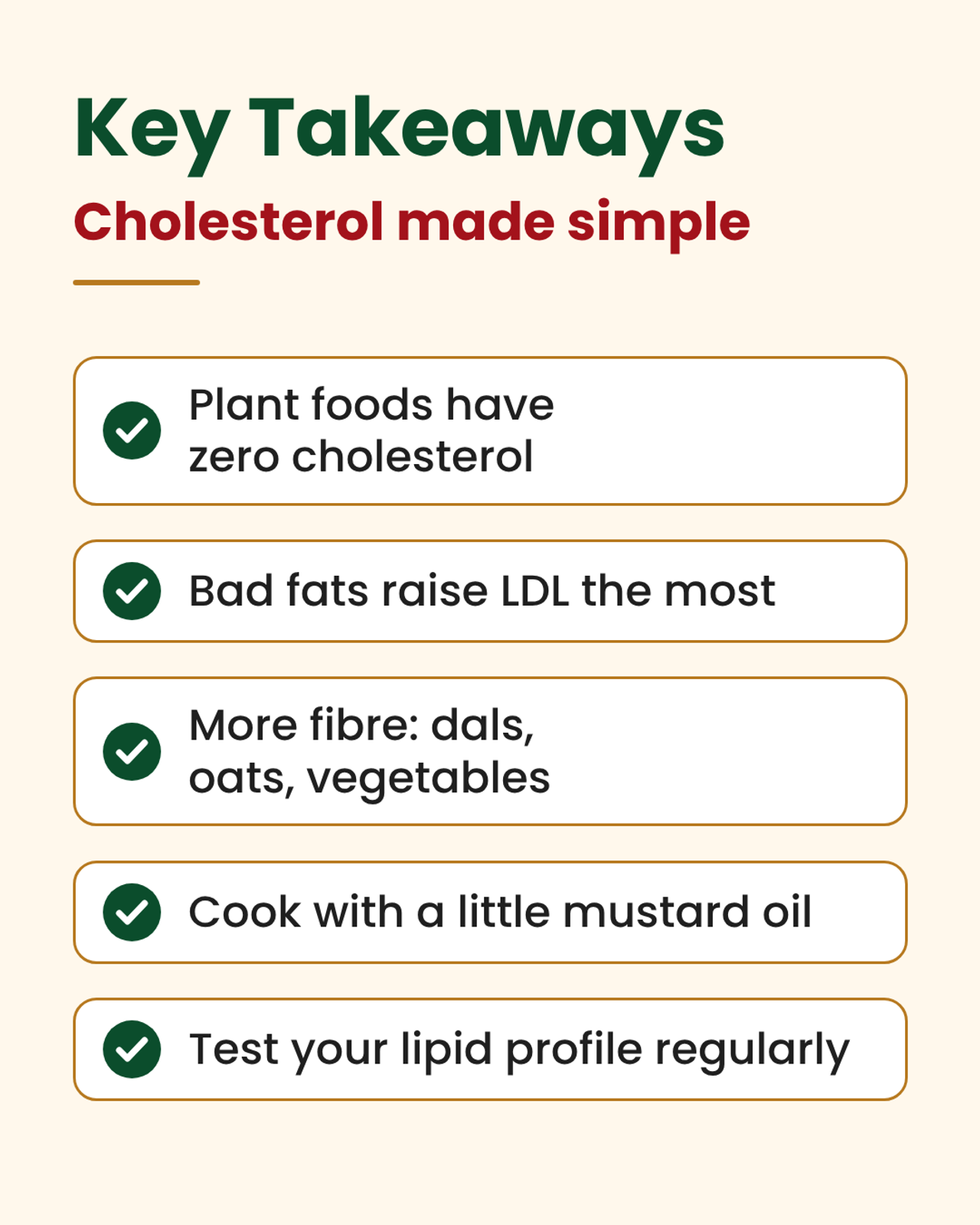
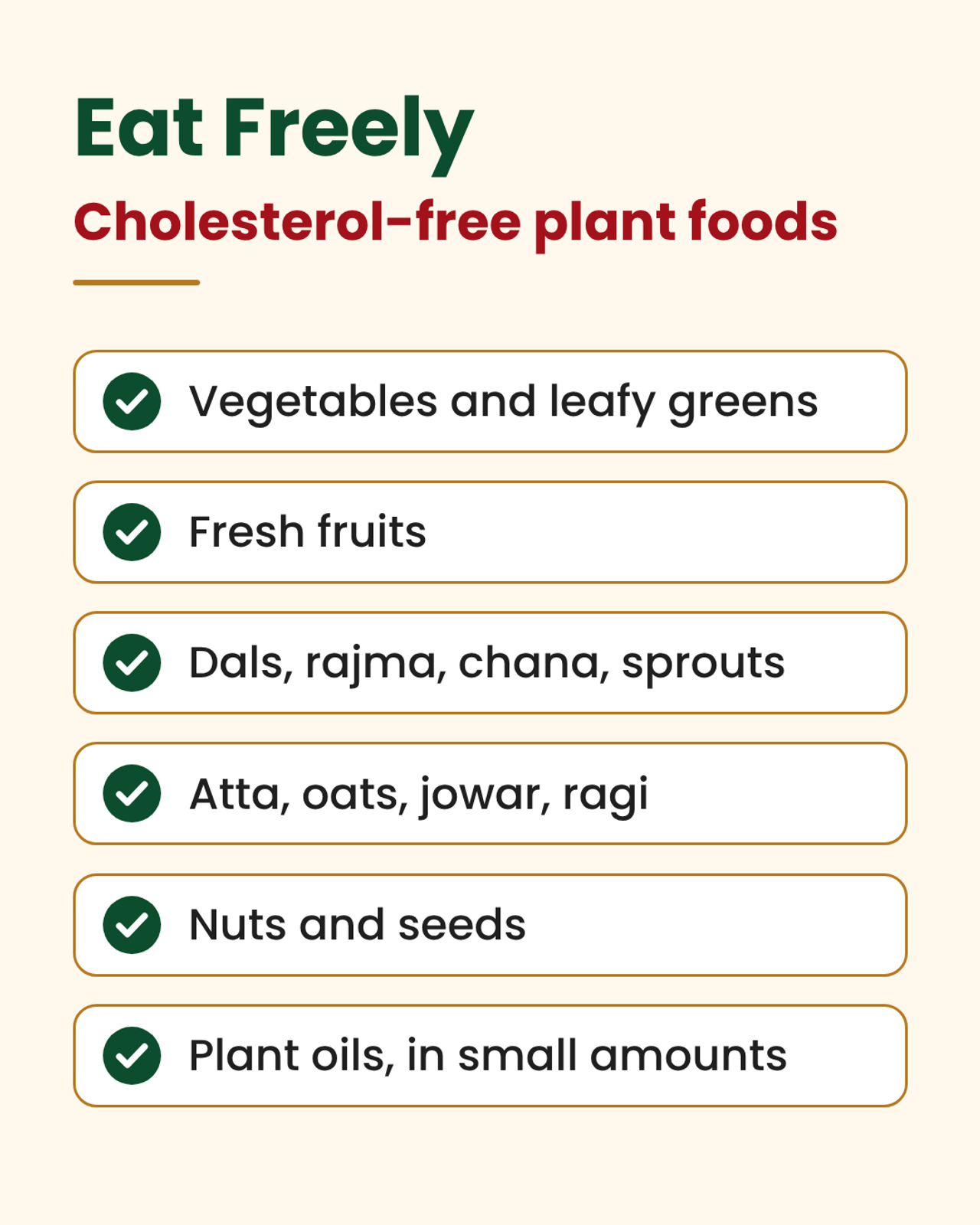
Cholesterol-free foods are foods from plants: vegetables, fruits, dals, whole grains, nuts and seeds. Cholesterol is found only in foods from animals.
But that is only half the story. The type of fat you eat affects your LDL ("bad") cholesterol even more. This guide explains both, with 7 simple habits and a sample day of Indian meals.
What is cholesterol?
Cholesterol is a waxy substance your body needs to build cells and make hormones. Your liver makes most of it. The rest comes from food.
There are two main types:
- LDL, the "bad" cholesterol. Too much LDL can slowly build up in the walls of your arteries.
- HDL, the "good" cholesterol. HDL helps carry extra cholesterol back to the liver.
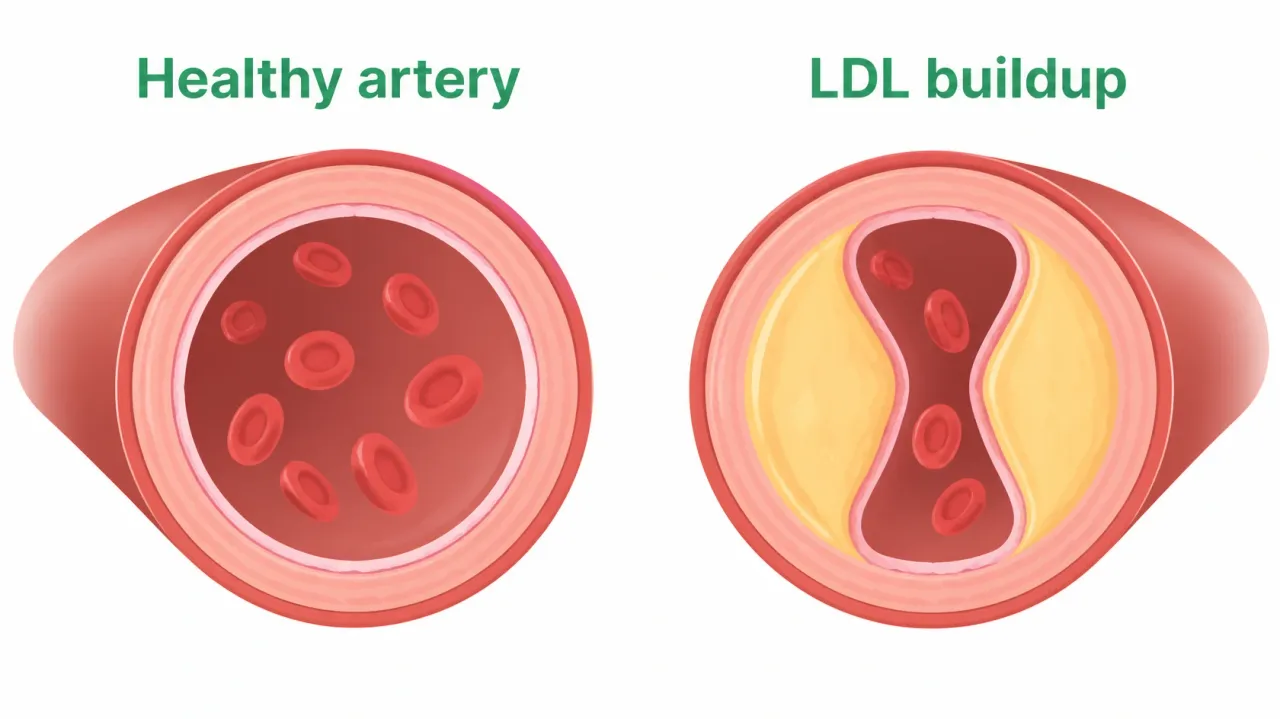
The aim is to keep LDL in a healthy range. Food, daily activity and regular check-ups all play a part.
Cholesterol-free foods list
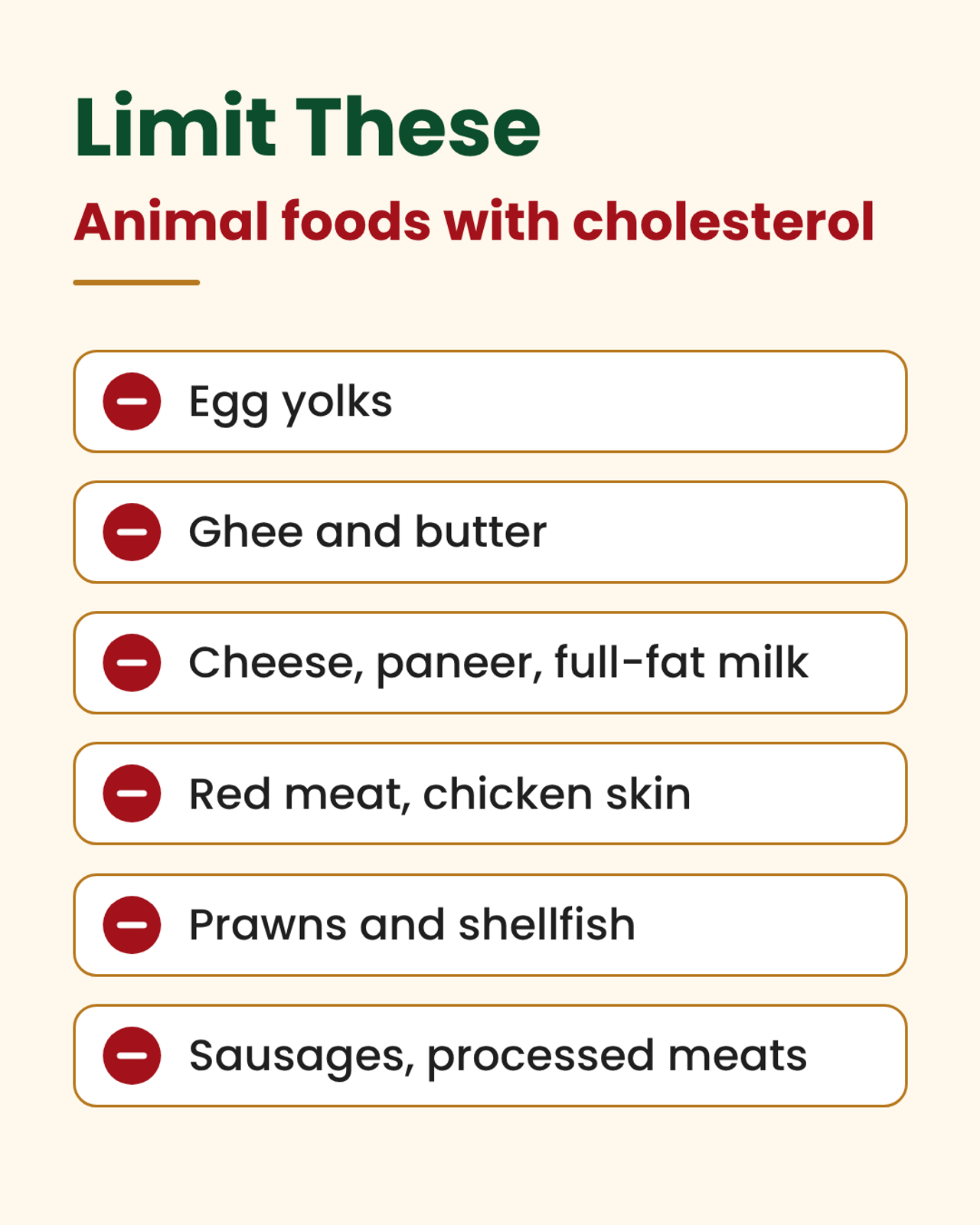
All plant foods are cholesterol-free. Cholesterol comes only from animal foods, so these are the ones to eat in smaller amounts.
Vinner tip: Swap your evening namkeen for a handful of roasted chana or unsalted almonds. Same crunch, far better for your heart.
Cholesterol-free does not always mean heart-friendly
For most people, the fat in food raises blood cholesterol more than the cholesterol in food does. So some cholesterol-free foods can still push your LDL up.
- Coconut oil and palm oil. No cholesterol, but high in saturated fat. Use them sparingly.
- Vanaspati, dalda and bakery fats. These can contain trans fats, which raise LDL and lower HDL.
- Fried snacks and packaged namkeen. These are often fried in reused oil or palm oil.
- Biscuits, cakes and puffs. These mix refined flour, sugar and unhealthy fats.
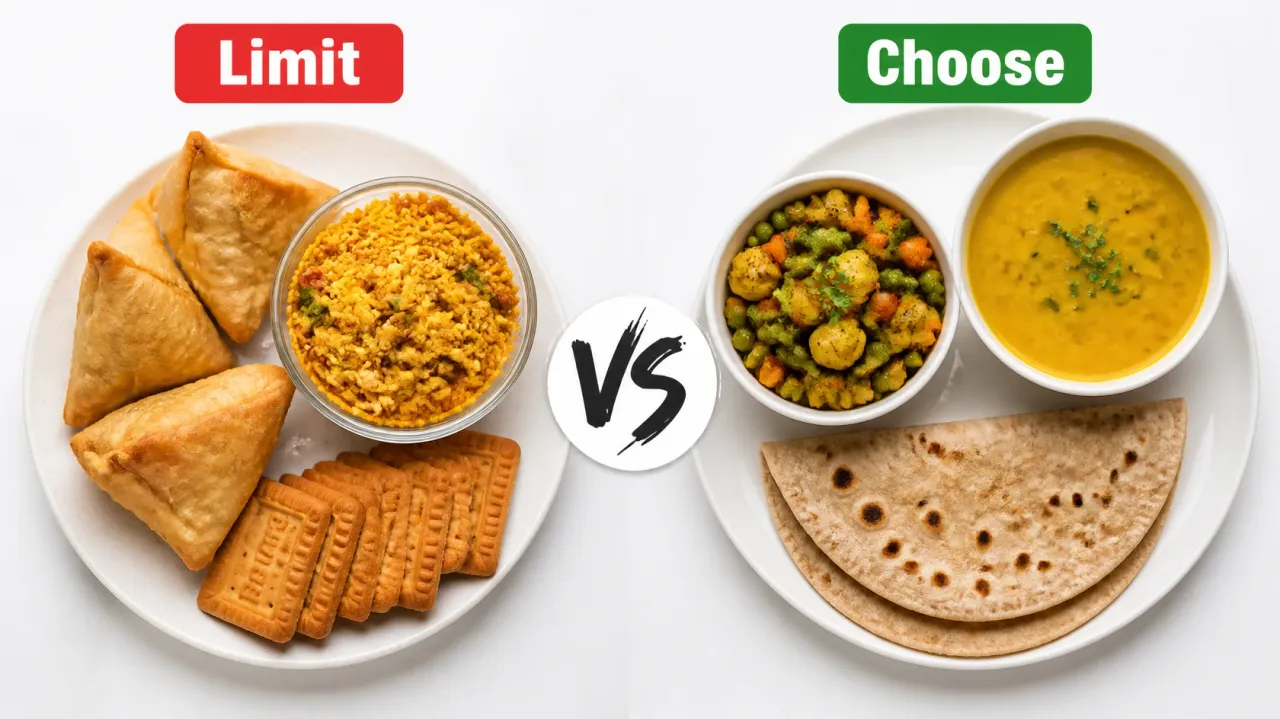
So it matters how food is cooked, not only where it comes from. Dal and sabzi cooked in a little mustard oil is a better choice than a samosa fried in vanaspati.
7 eating habits for healthy cholesterol
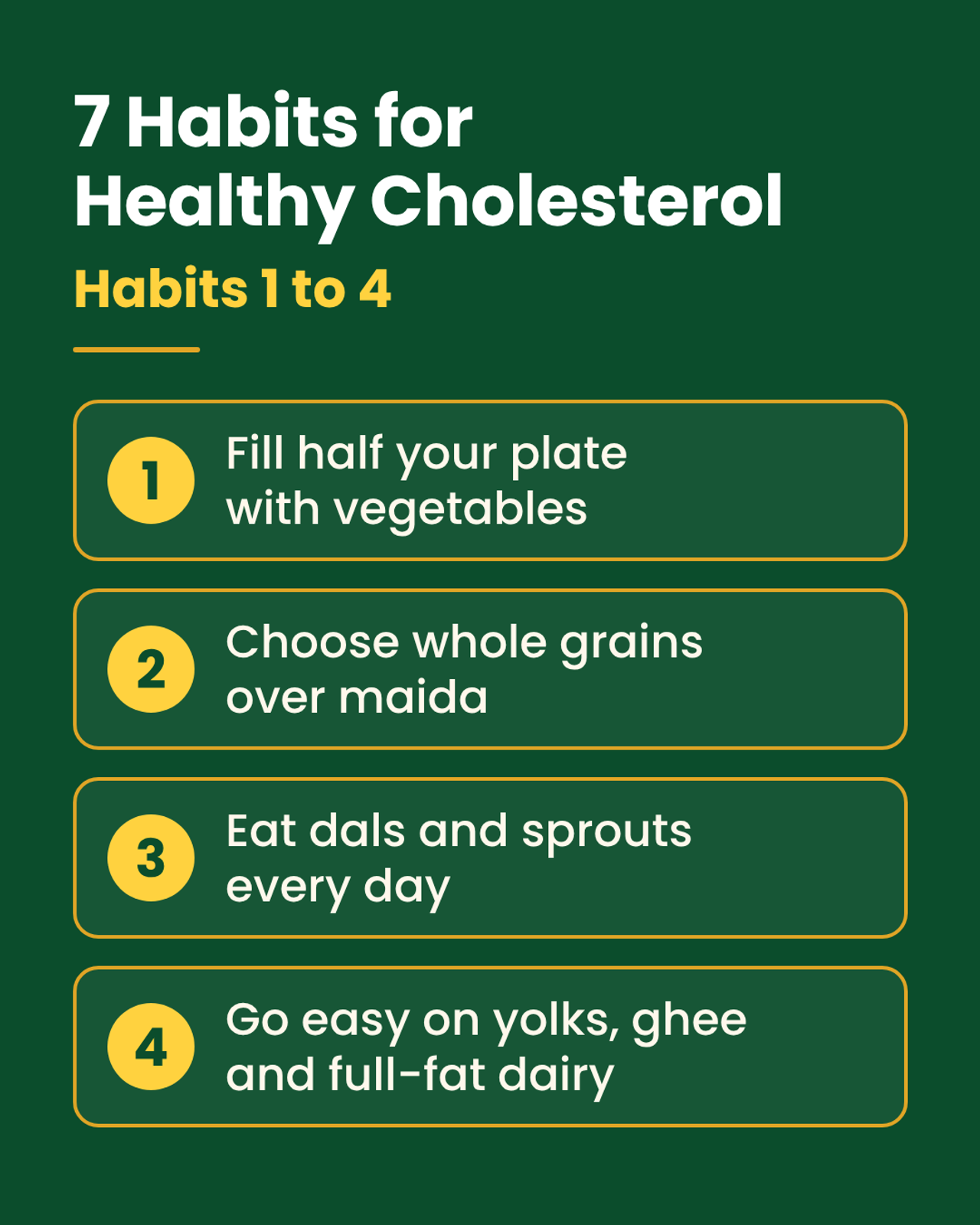
1. Fill half your plate with vegetables and fruits
They are cholesterol-free and full of fibre. Soluble fibre, found in oats, apples, guava, bhindi and beans, can help reduce how much LDL your body absorbs. Eat whole fruit rather than juice.
2. Choose whole grains over maida
Pick whole-wheat atta, jowar, bajra, ragi, brown rice and oats instead of maida and white bread. Oats and barley contain beta-glucan, a fibre linked to lower LDL.
3. Eat dals, beans and sprouts every day
Rajma, chana, moong, masoor and sprouts give you protein and fibre with no cholesterol. Use them in place of some of the meat or paneer in your meals.
4. Go easy on egg yolks, ghee and full-fat dairy
Egg whites have no cholesterol; the yolk does. If your doctor has asked you to watch your cholesterol, ask how many yolks are right for you. Choose toned or low-fat milk and curd.
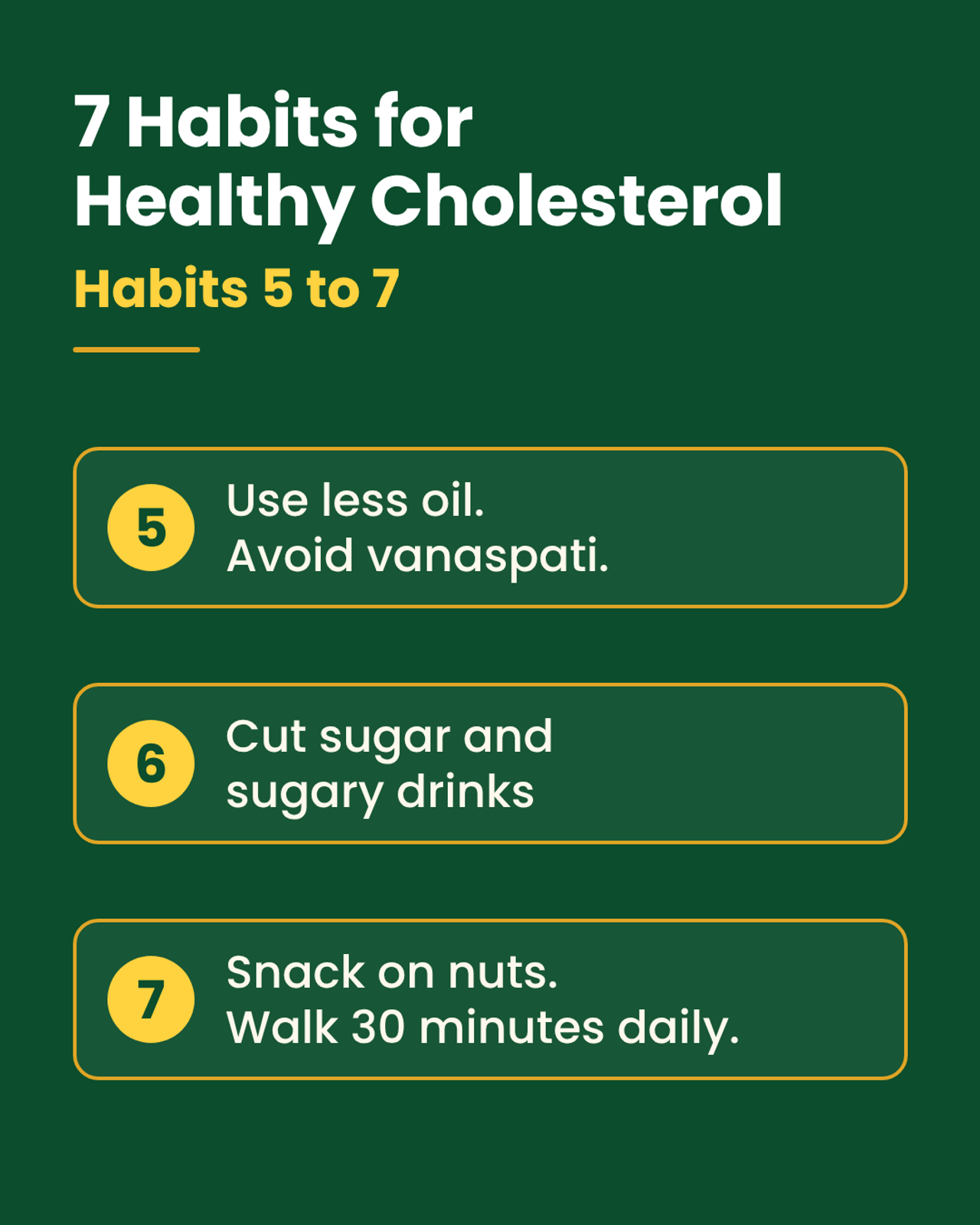
5. Use the right cooking oil, and less of it
Cook with small amounts of mustard, groundnut, rice bran or olive oil. Limit coconut and palm oil. Avoid vanaspati and dalda, and do not reuse oil for deep frying.
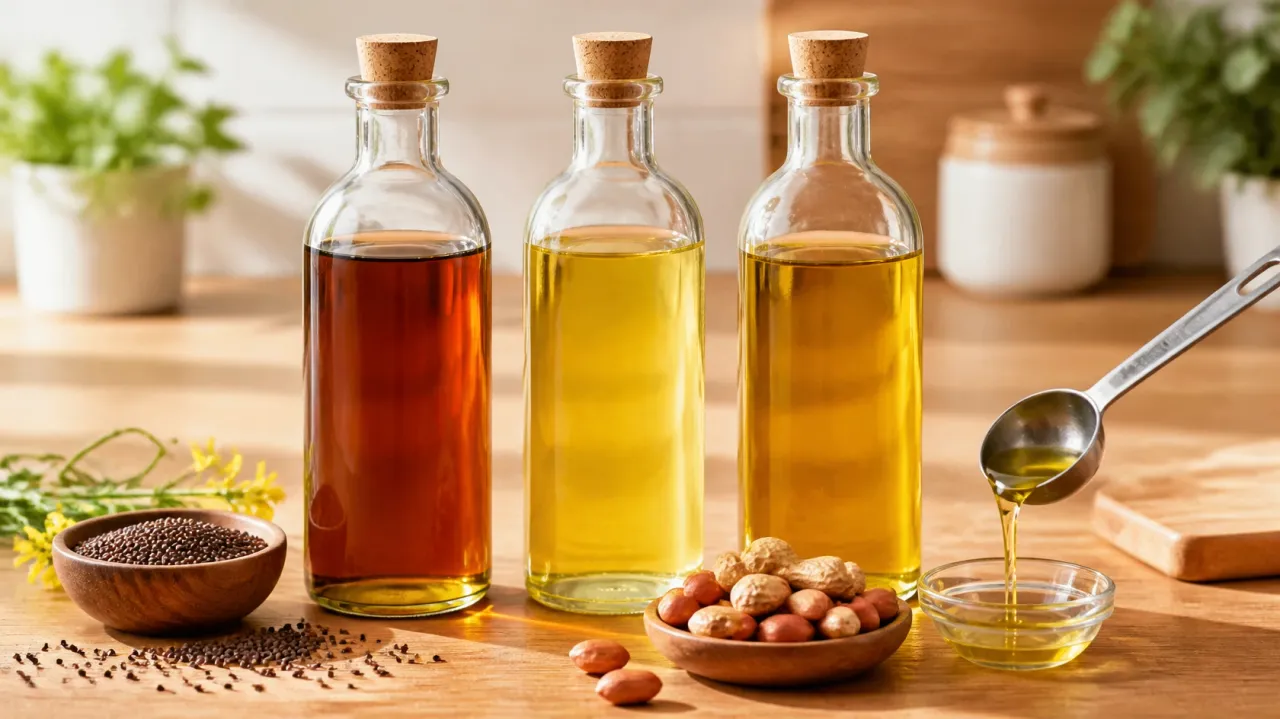
Vinner tip: Measure cooking oil with a spoon instead of pouring from the bottle. It is the easiest way to use less.
6. Cut down on sugar and sugary drinks
Too much sugar can raise triglycerides. Drink water, chaas, coconut water or unsweetened lemon water instead. Keep sweets for special occasions.
7. Snack on nuts and seeds, and stay active
A small handful (about 30 g) of unsalted almonds, walnuts or flaxseed is a better snack than biscuits or namkeen. Walk briskly for at least 30 minutes on most days.
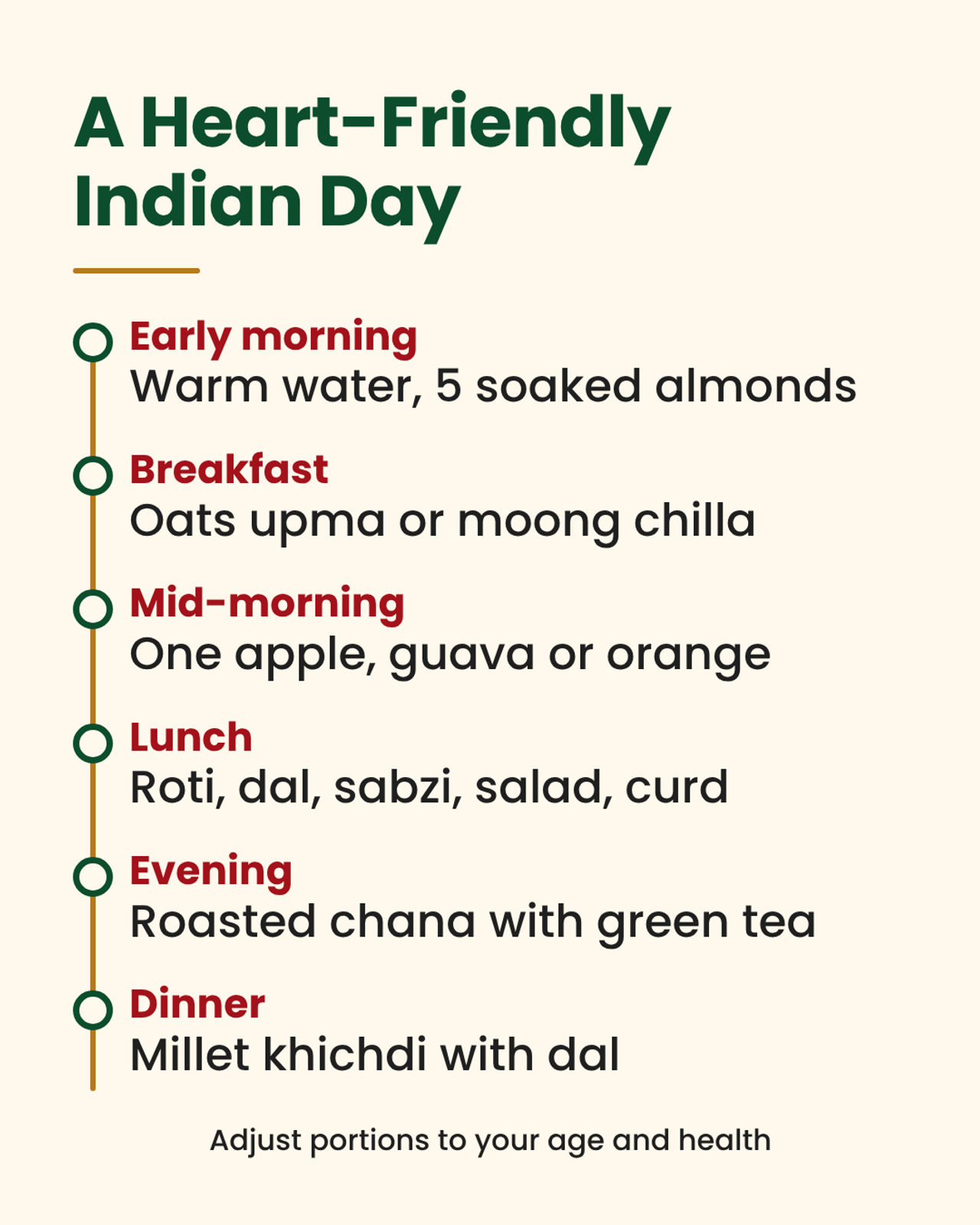
A sample day of heart-friendly Indian meals
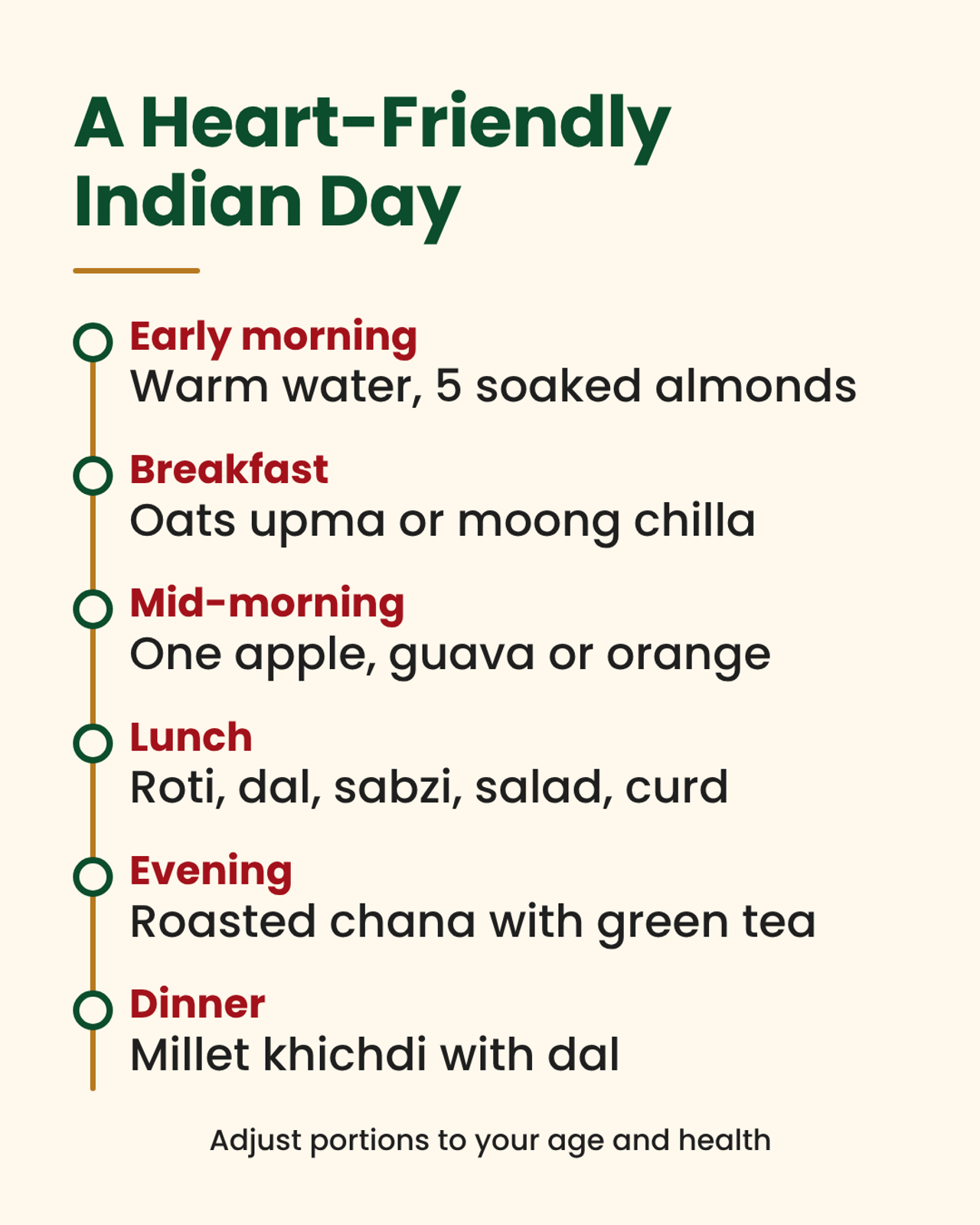
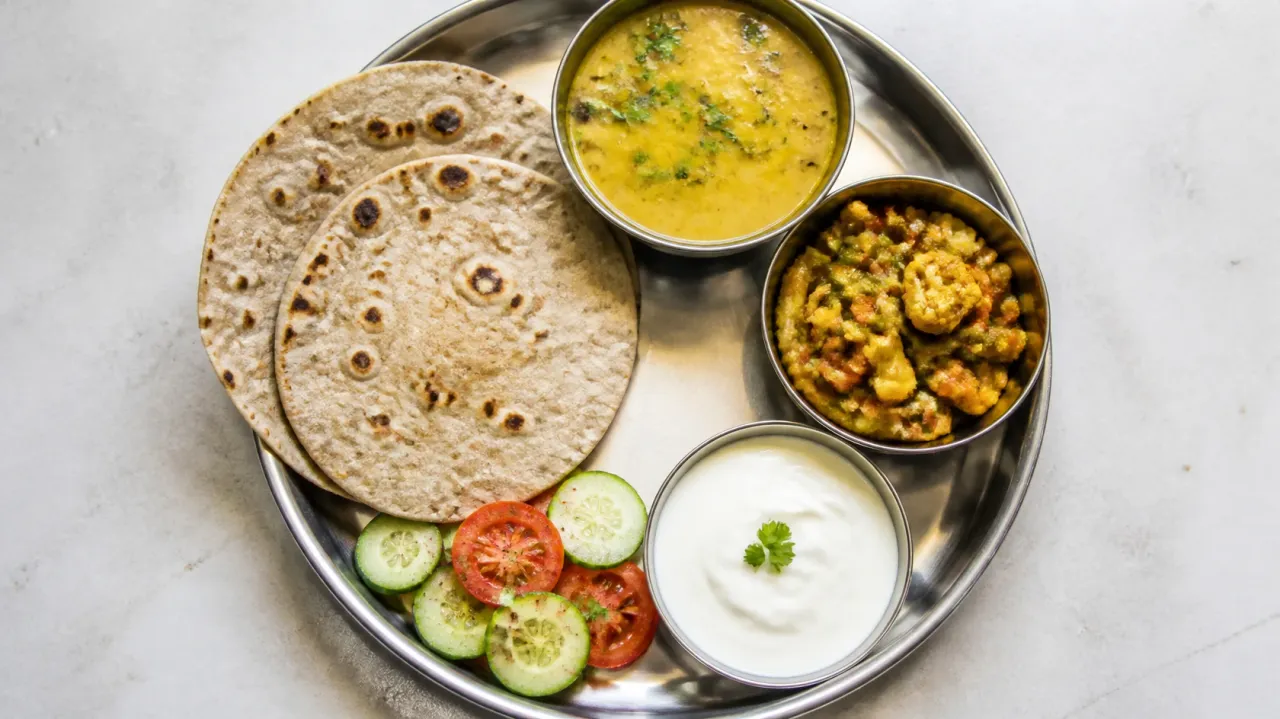
Here is one simple way to put these habits on your plate for a full day.
Adjust portions to your age, weight and activity. If you have diabetes or kidney disease, ask your doctor or a dietitian to adapt this plan.
Get your cholesterol checked regularly
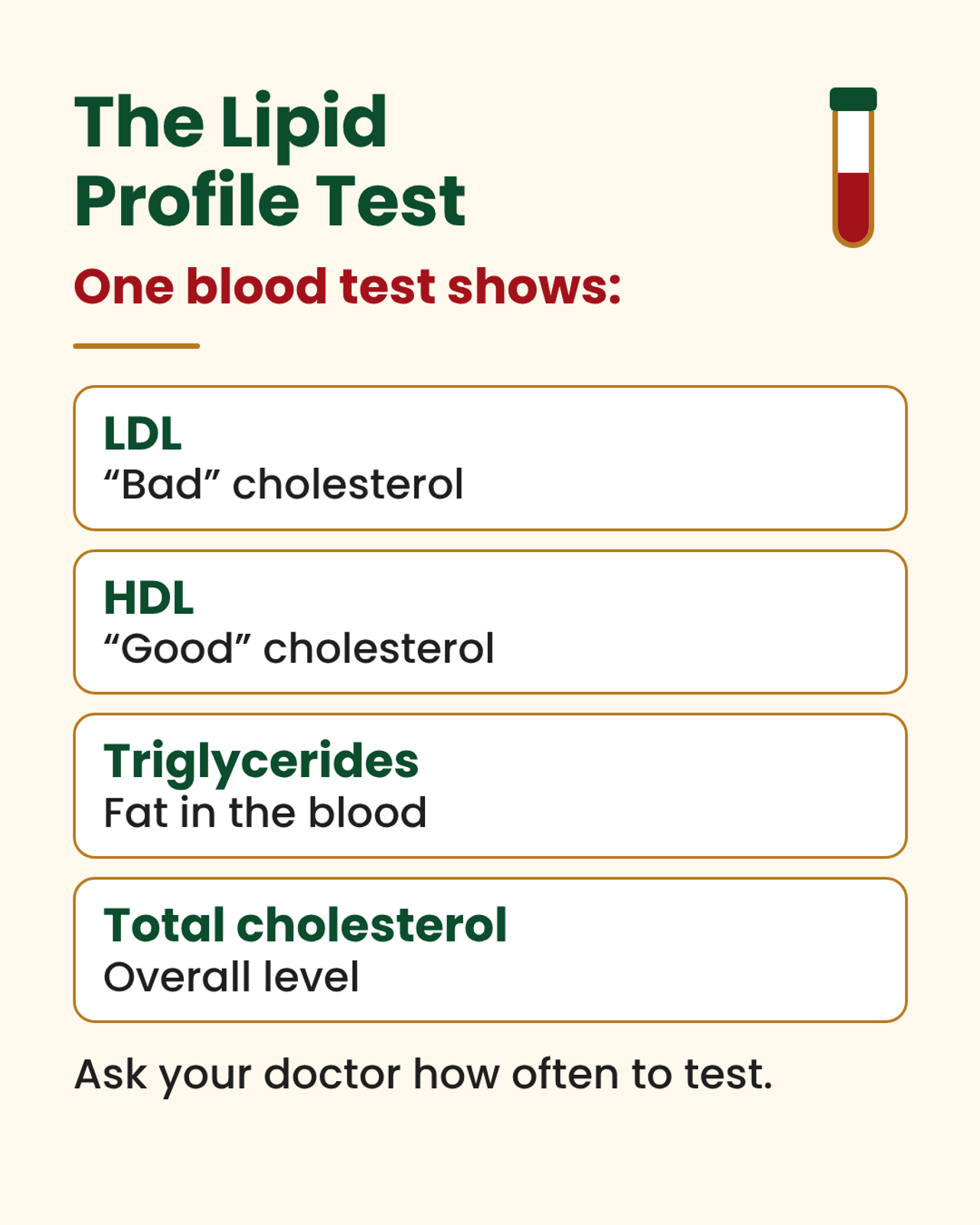
High cholesterol usually has no symptoms you can feel. A simple blood test called a lipid profile shows your numbers.
Ask your doctor how often to get tested, especially if you are over 30, have diabetes or high blood pressure, or have a family history of heart disease.
Ayurvedic support for your daily routine
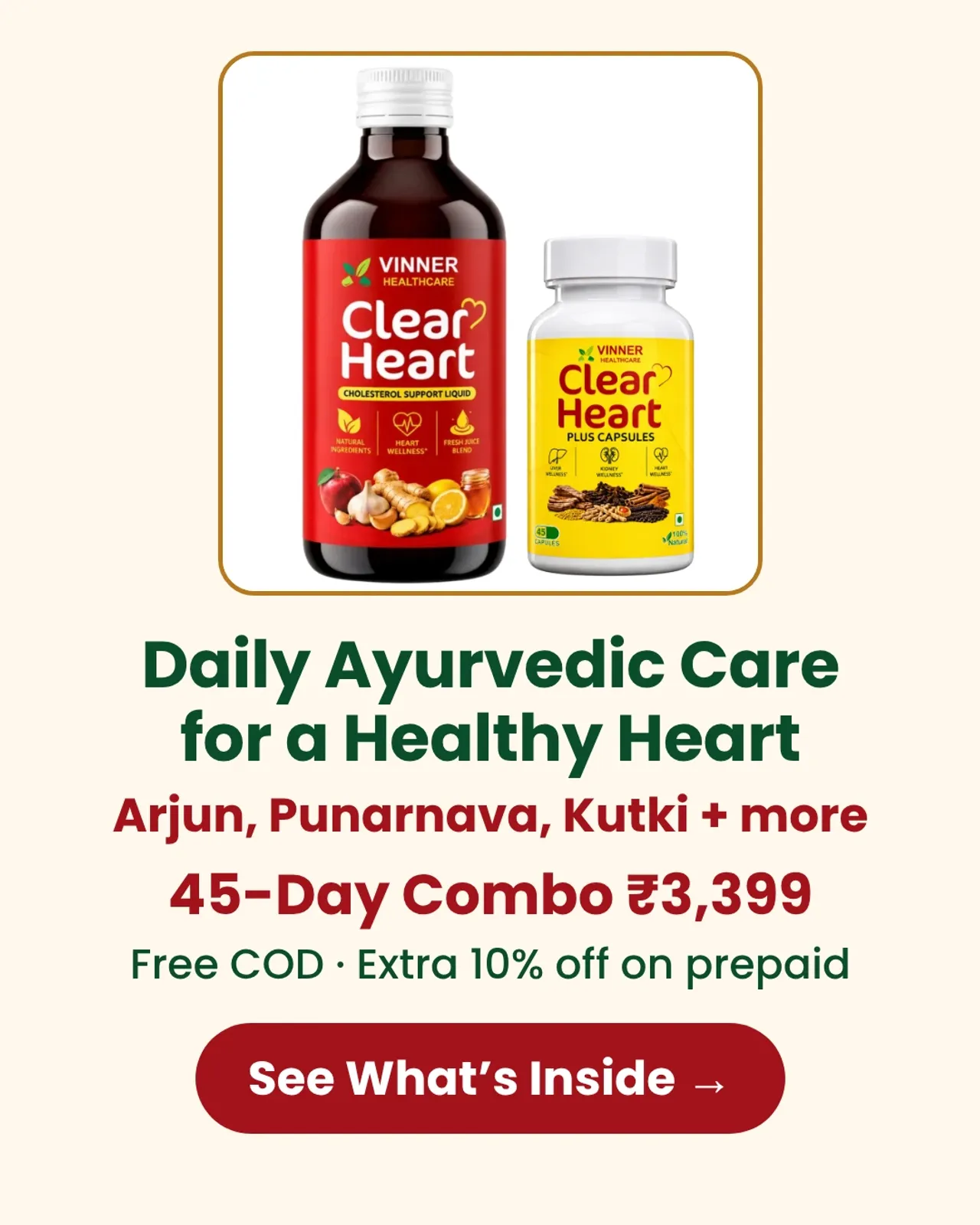
Along with a balanced diet and an active lifestyle, many people add Ayurvedic herbs to their day. The Vinner Healthcare Clear Heart Combo Pack brings together 12 Ayurvedic ingredients, including Arjun, Punarnava, Kutki and Ashwagandha, for your daily heart-wellness routine.
See what is inside Clear Heart
Frequently asked questions
Which foods are completely cholesterol-free?
All plant foods: vegetables, fruits, dals, beans, whole grains, nuts, seeds and plant oils.
Are cholesterol-free foods always good for cholesterol?
No. Coconut oil, palm oil and fried snacks have no cholesterol but can be high in fats that raise LDL.
Can I eat eggs if I have high cholesterol?
Egg whites have no cholesterol. For yolks, follow your doctor's advice.
Which cooking oil is best for cholesterol?
Small amounts of mustard, groundnut, rice bran or olive oil. Avoid vanaspati.
Is ghee bad for cholesterol?
Ghee contains cholesterol and saturated fat, so use it in small amounts.
How soon can diet changes help?
It varies. Many doctors recheck a lipid profile after about 2 to 3 months of steady changes.
Read next
- What Your LDL Number Does Not Tell You
- Low Cholesterol Diet Plan
- The 6 Blood Tests Your Cardiologist Should Order
Disclaimer: For general information only, not medical advice. Clear Heart is a food supplement and does not replace prescribed medicine. Please consult your doctor before making changes to your diet or starting any new product.


