
The Truth About Heart Health That Most Doctors Don't Tell You
Why Indians Get Heart Attacks 10 Years Earlier Than the Rest of the World
Your father had one at 55. His father at 52. This is not bad luck — it is a documented, globally confirmed medical pattern. Here is the full science behind why.

The INTERHEART Study confirmed it across 52 countries: South Asians experience acute heart attacks 5 to 10 years earlier than Western populations. The ICMR puts the average age of first heart attack in India at just 53 years. In Europe, it is closer to 65.
That is not a small difference. Ten years is a generation. And the reasons behind it are precise, well-studied, and — crucially — addressable if you know about them early enough.
Age of First Heart Attack — India vs the World
ICMR DataSources: ICMR PMC1993956 · INTERHEART PMC3028954 · Lancet Regional Health SEA 2023
Half of All Heart Attacks in India Come With Absolutely No Warning
In India today, over 50% of cardiovascular disease mortality occurs in people under 50. And arteries must reach 70–80% blockage before most people feel any breathlessness. By that point, you are already in a medical emergency — often years after the damage began.
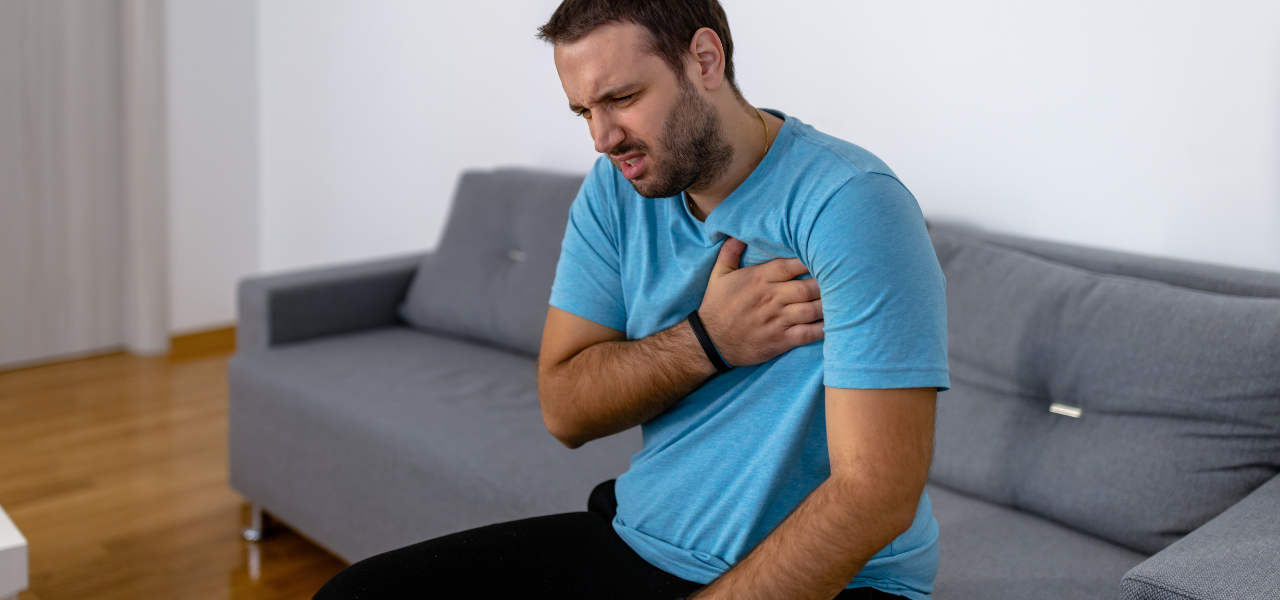
The patient was 34. His LDL was normal last year.
This is not an extreme case. In India today, 1 in 5 heart attack patients is under the age of 40. Most had no prior warning. Most had a normal cholesterol test in the previous 12 months. The standard panel simply was not designed to catch what was building inside their arteries.
The Silent Progression — No Symptoms Until Stage 3
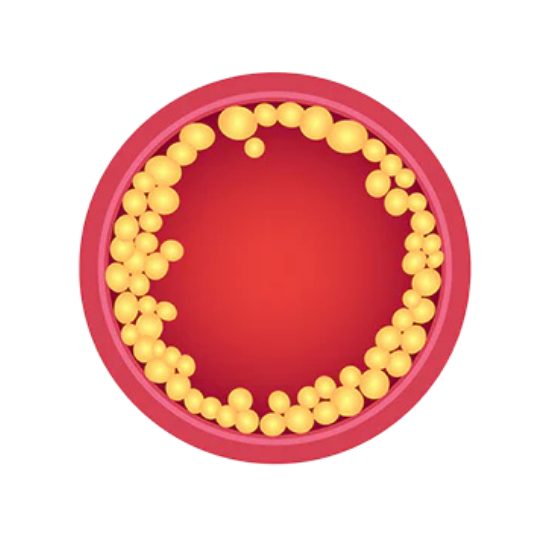
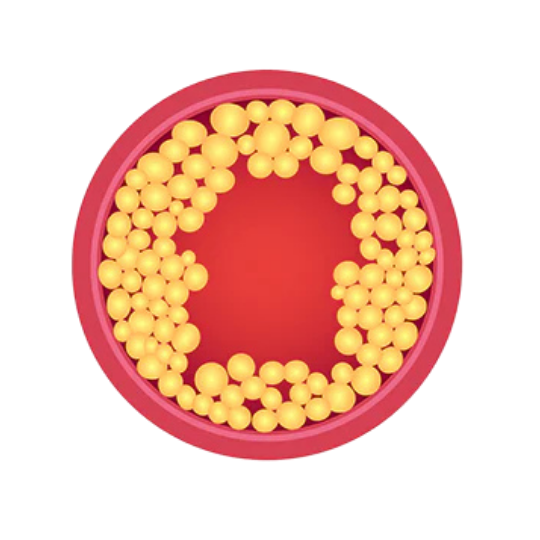
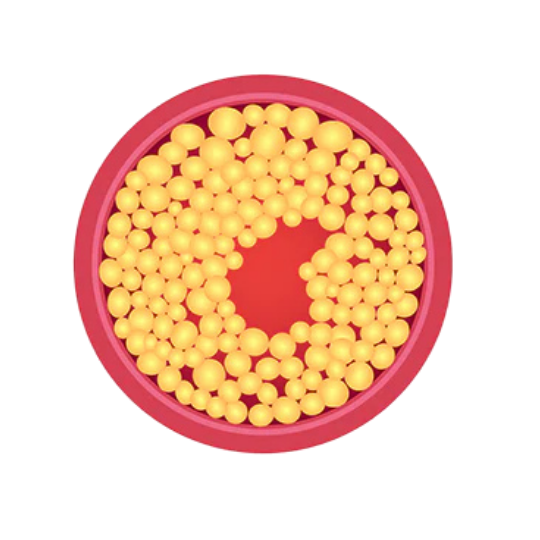
Clear Heaart targets all stages — earliest results at Stage 1–2
"Heart diseases are rising in Asian Indians 5 to 10 years earlier than in other populations around the world. The mean age for first presentation of acute myocardial infarction in Indians is 53 years."
— Indian Council of Medical Research (ICMR), Ganguly et al., PMC1993956
Have a family history of heart disease?
Talk to our heart health team — free consultation on WhatsApp
It runs in families — but it does not have to end the same way.
When an Indian father has a heart attack at 55, his son's risk is not just genetic — it is also environmental, dietary, and metabolic. The same liver dysfunction, the same inflammatory load, the same late detection repeats across generations. But unlike genetics, most of these risk factors are addressable — if caught early enough.

6 Reasons Indians Are at Higher Risk — and Why They Compound Each Other
Each reason below is independently dangerous. Together, they create a risk profile that is uniquely aggressive — and uniquely Indian.
Genetic: High Lp(a) and ApoB
Indians carry a genetic tendency toward elevated Lipoprotein(a) — a dangerous form of LDL that standard cholesterol tests do not measure. CARRS-NHANES data shows Indians have higher ApoB than Americans despite showing similar LDL numbers — meaning the standard panel dramatically underestimates real cardiovascular risk.
PMC6796644 · Lancet SEA 2023Central Obesity at Much Lower Body Weight
Indians accumulate dangerous visceral fat at a much lower body weight than Western populations. A person with BMI 23 who looks completely normal may carry the same metabolic risk as an obese Westerner. The INTERHEART Study confirmed Indians have significantly higher population risk associated with waist-to-hip ratio than any other ethnic group studied.
INTERHEART Study · PMC3028954Fatty Liver — a Hidden Cholesterol Factory
Fatty liver — now present in an estimated 38–55% of urban Indians — is not just a liver condition. When liver cells accumulate fat, the liver begins overproducing LDL cholesterol independently of your diet. This is why millions eat carefully and still cannot lower their cholesterol.
Lancet SEA 2023 · PMC9242599Chronic Stress and Elevated Cortisol
Sustained high cortisol directly raises blood pressure, promotes visceral fat, elevates blood sugar, and accelerates arterial inflammation. A study in Clinical Endocrinology confirmed South Asians have a particularly strong cortisol-to-metabolic-risk relationship — meaning stress causes proportionally more cardiovascular damage in Indians than in other populations.
Ward et al. · PMC10305862High-Glycaemic Diet Accelerating Insulin Resistance
White rice, refined wheat, sugary chai, and processed snacks drive insulin resistance and metabolic syndrome far earlier in genetically predisposed Indians than in Western populations. The ICMR-INDIAB study found less than 10% of the studied Indian population engaged in regular physical activity.
ICMR-INDIAB Study · PMC6994761Late Detection and Incomplete Testing
Most Indians test for standard LDL, blood sugar, and blood pressure. But the markers that best predict early heart attacks — Lp(a), ApoB, hsCRP, homocysteine, fasting insulin — are almost never in a routine panel. Most Indians discover their blockage during an emergency, not a routine screening.
Lipid Association of India 2023
What Charaka Wrote 2,400 Years Before the INTERHEART Study
Modern cardiology discovered the Cardio-Renal-Hepatic Axis — the interdependence of heart, liver, and kidneys — in the last decade. The AHA formally acknowledged it in 2024. Charaka documented it around 400 BCE.
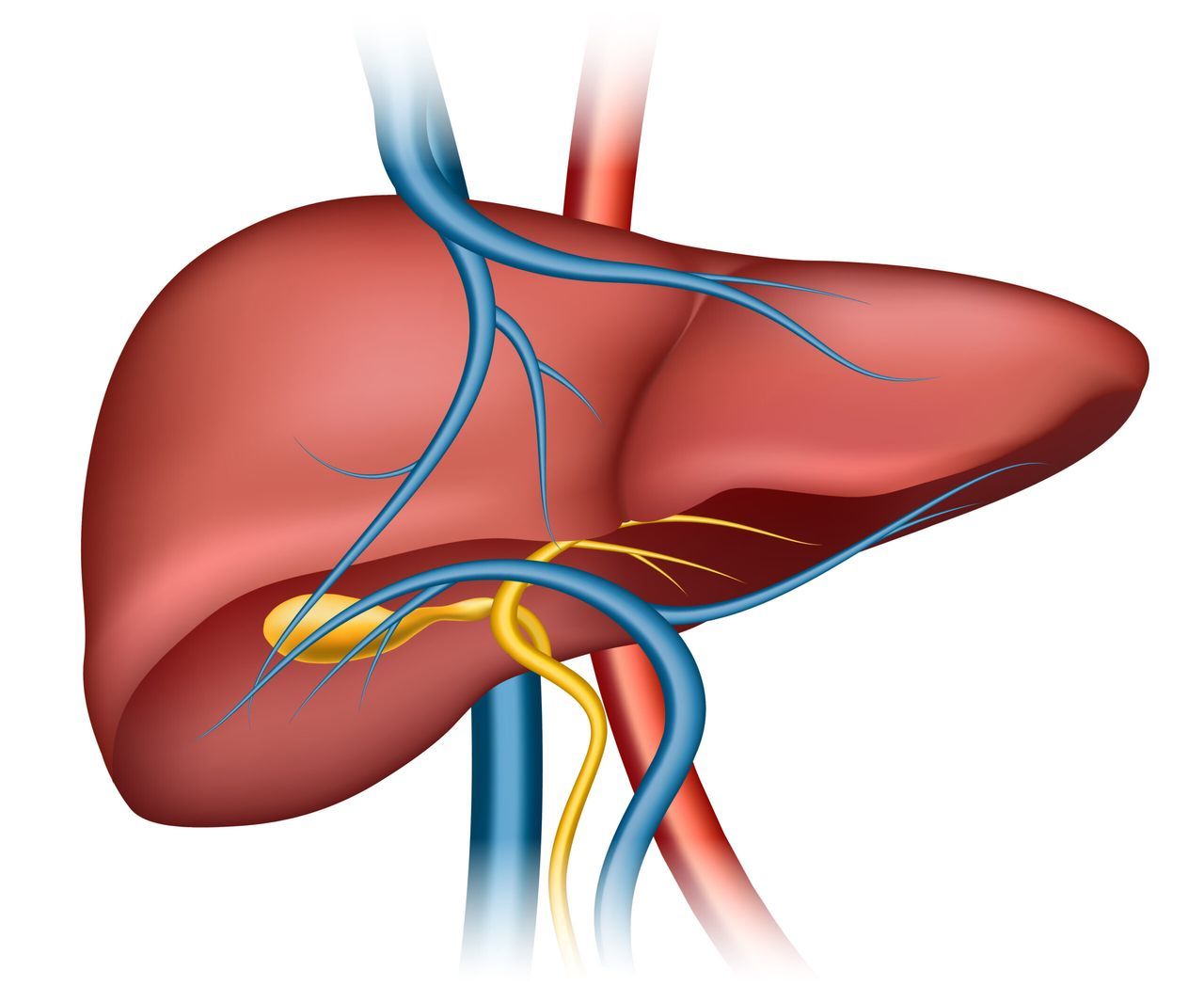 Liver
Root cause
Liver
Root cause
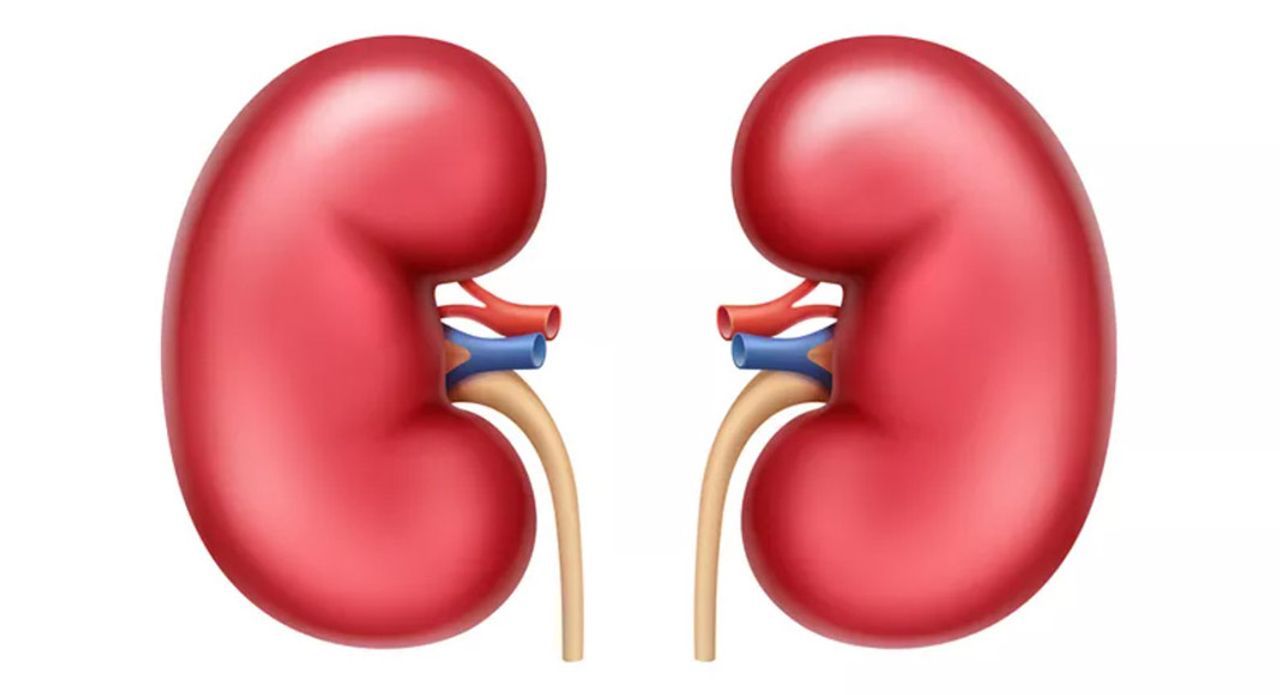 Kidneys
BP regulator
Kidneys
BP regulator
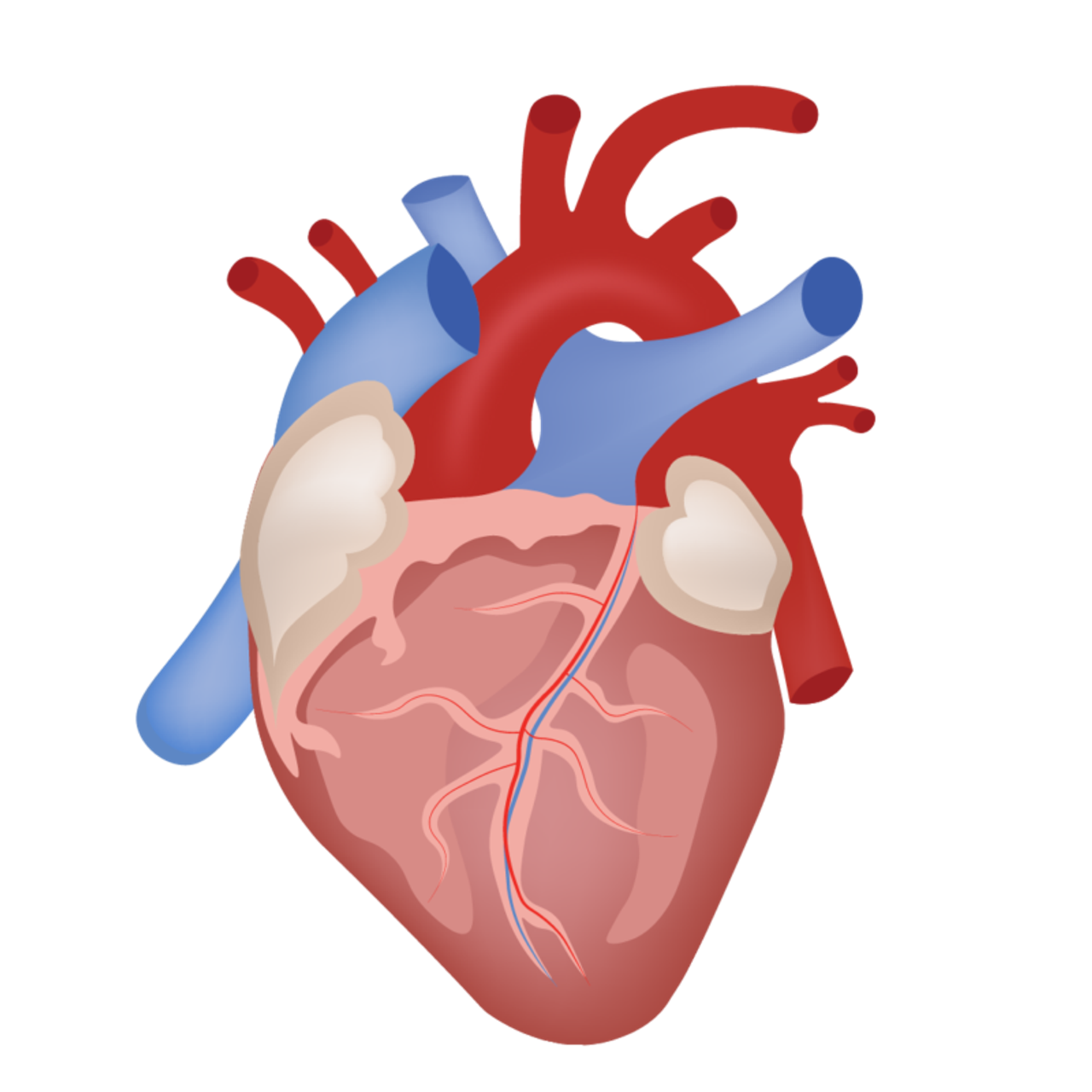 Heart
The result
Heart
The result
Yakrit Dushti → Ama → Hridroga
Liver dysfunction produces toxic metabolic waste (Ama) that deposits in heart channels (Hridaya Srotas), causing heart disease. Treat the liver first — always.
NAFLD → Inflammatory LDL → Atherosclerosis
Non-alcoholic fatty liver disease is an independent cardiovascular risk factor. The Cardio-Renal-Hepatic Axis shows liver, kidneys, and heart must be treated as one system.
The Same Insight — 2,400 Years Apart
~400 BCE — Charaka Samhita
Hridayam coined: Hr-Da-Ya = receive, give, circulate. A complete description of the circulatory pump — 2,000 years before Harvey. Liver described as root source of heart disease.
1628 — William Harvey
Discovers blood circulation in the Western world — 2,000 years after Ayurveda described the same concept in the word Hridayam itself.
1999 — Russell Ross, NEJM
"Atherosclerosis — an Inflammatory Disease." Reframes heart disease as active inflammation — matching Charaka's Ama-Pitta description from 2,400 years prior.
2024 — American Heart Association
Formally confirms the Cardio-Renal-Hepatic Axis. The exact liver-kidney-heart triad Charaka described 2,400 years earlier. Same clinical observation. Different century.
"The proof was always in the name. Hridayam — receive, give, circulate — coined around 400 BCE. William Harvey named the same function in 1628."
— Vinner Healthcare Research, based on Charaka Samhita Hridaya Srotas analysis
The Question That Actually Matters
Knowing why Indians are at higher risk does not help if no action follows. The research is consistent: arterial plaque at Stage 1 — soft, non-calcified, not yet causing symptoms — is addressable. At Stage 3 and 4, the window is smaller but still open.
You now know exactly why Indian hearts fail earlier.
The genetics. The fatty liver. The inflammation. The late detection. Every reason this blog explained is a mechanism that Clear Heaart was specifically formulated to address — ingredient by ingredient, trial by trial.
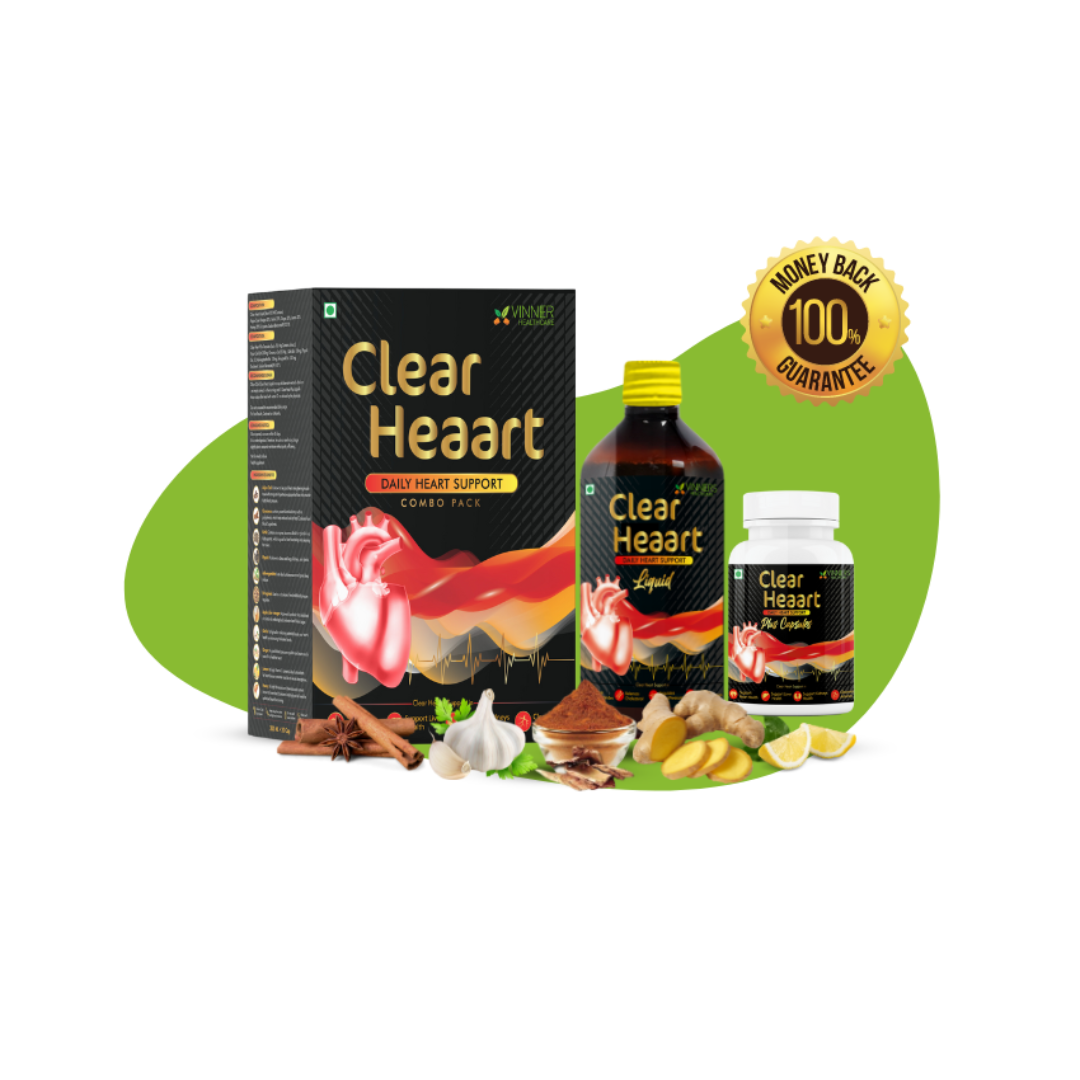
India's First Formula That Works at Every Stage of Heart Blockage
Most supplements only claim to work at early stages. Clear Heaart's 11 clinically-proven ingredients address the 3 root causes — liver dysfunction, arterial inflammation, and platelet clotting — at Stage 1 through Stage 4.
Clear Heaart works at every stage — here is what to expect
It is never too late to start. It is only too late to wait.
Treats the Liver First
80% of LDL originates in the liver. Kutki and Pippali fix the source — not the symptom. The liver is where Clear Heaart starts because Charaka said so 2,400 years ago — and the AHA confirmed it in 2024.

Kills Arterial Inflammation
Ashwagandha and Ginger reduce hsCRP and IL-6 — the inflammatory markers that statins don't address. Inflammation is the fire that burns arteries from inside. Clear Heaart puts out that fire.

Stops the Clot Trigger
Arjuna's arjunolic acid inhibits platelet aggregation more effectively than aspirin in lab trials. A heart attack happens when plaque ruptures and a clot blocks the artery. Arjuna prevents that clot.
All 11 Ingredients — Each with a Clinical Trial
Formula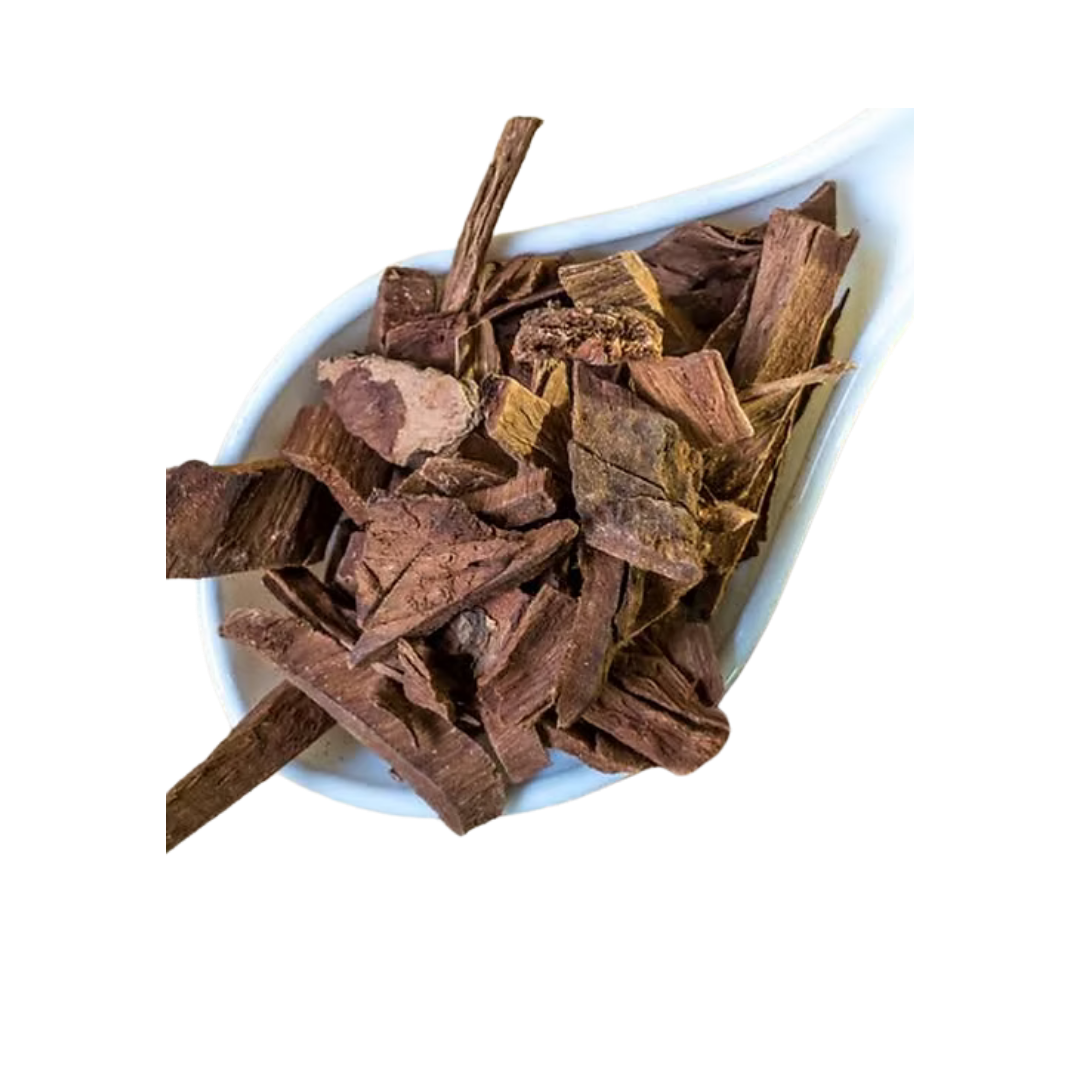 ArjunaHeart strength · Platelet control
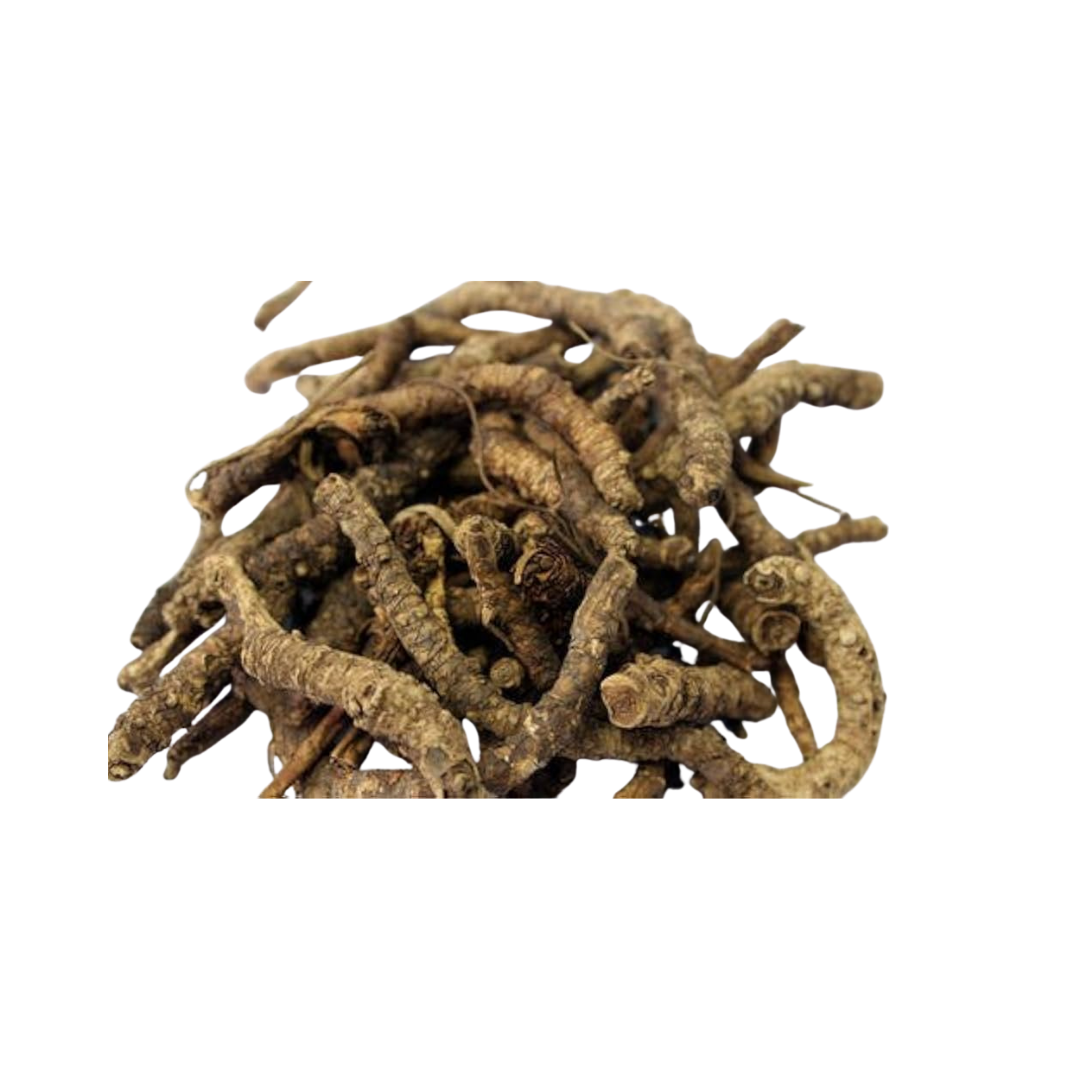 KutkiLiver detox · LDL reduction
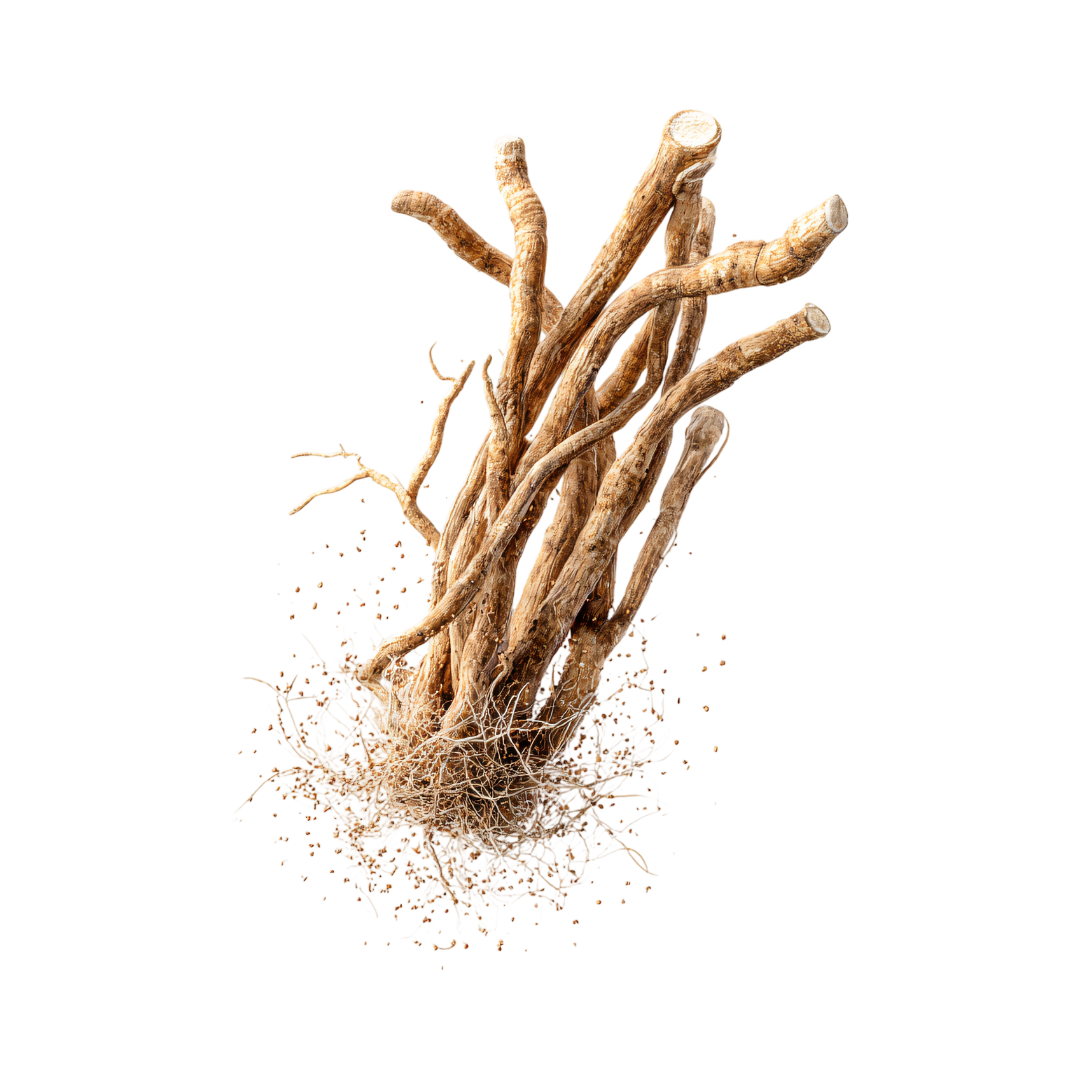 AshwagandhaStress · Inflammation
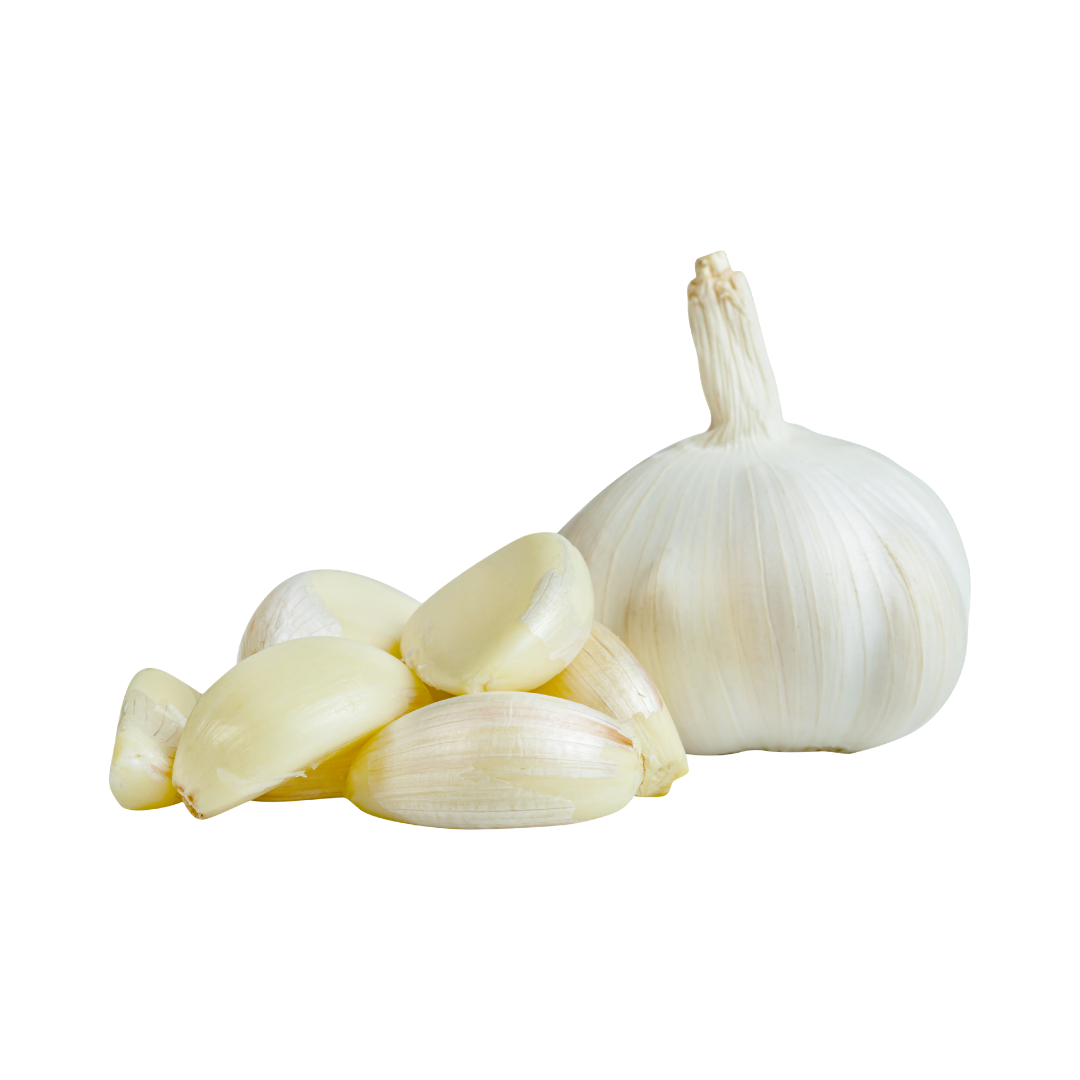 GarlicLDL · Blood pressure
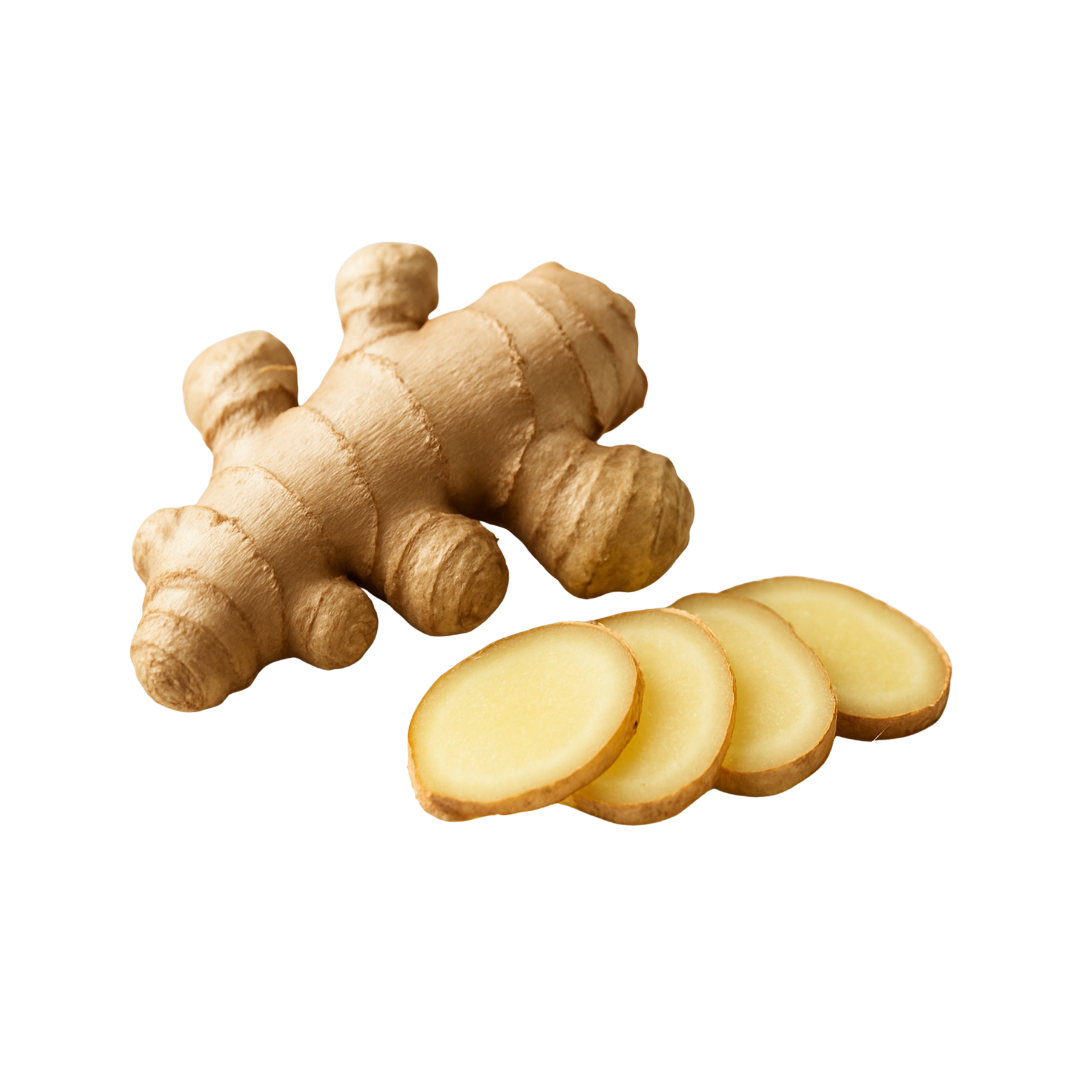 GingerInflammation · hsCRP
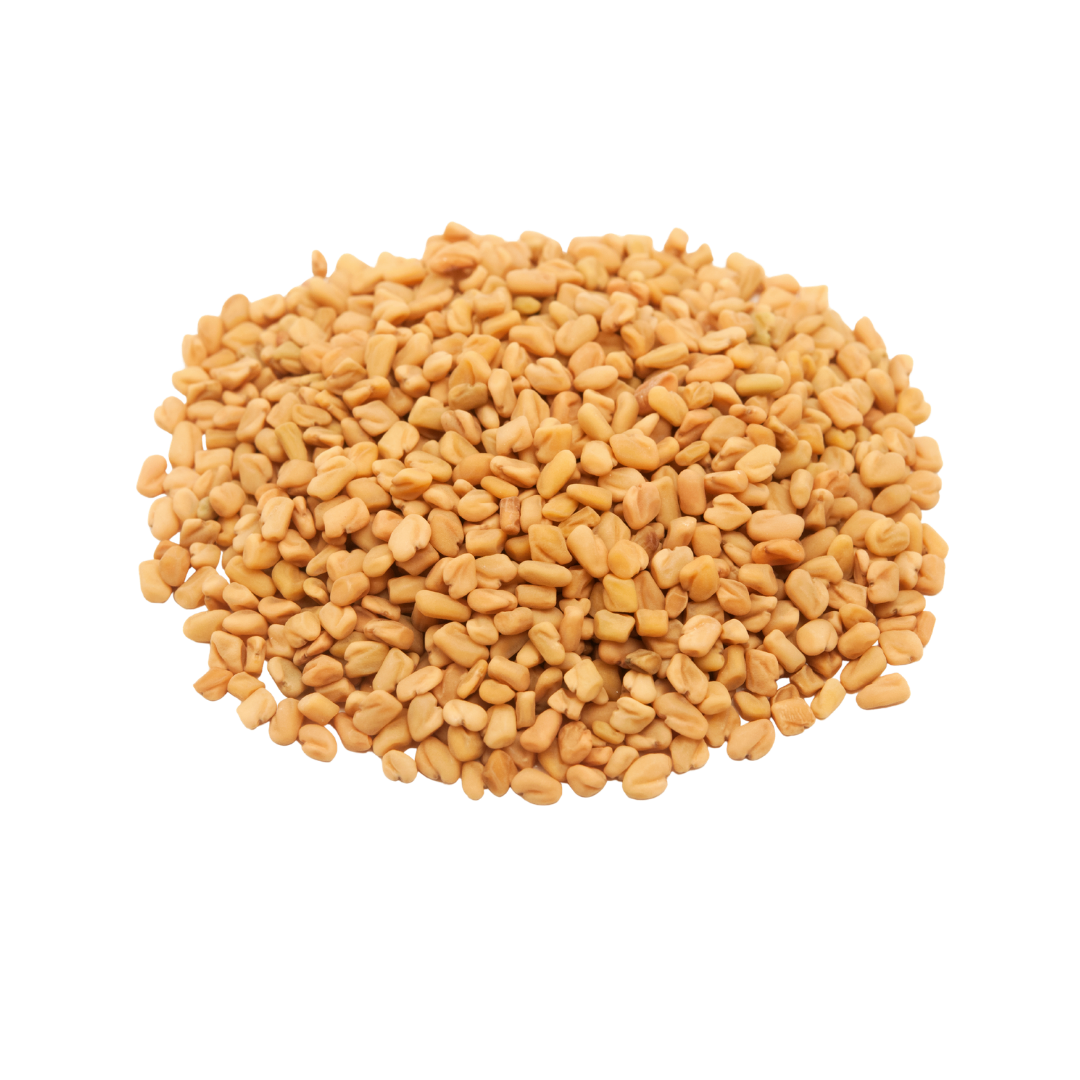 MethiInsulin resistance · LDL
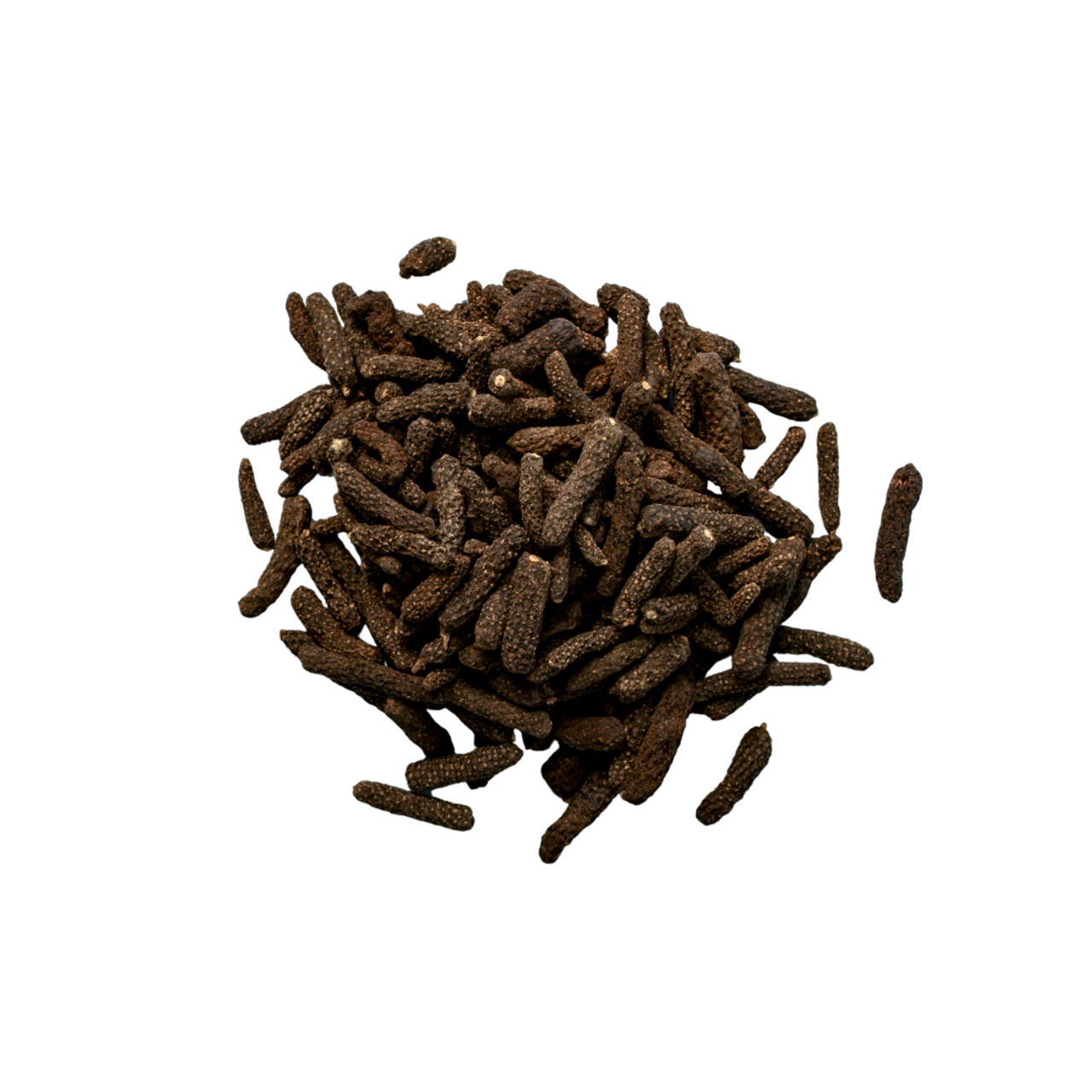 PippaliLiver · Bioavailability
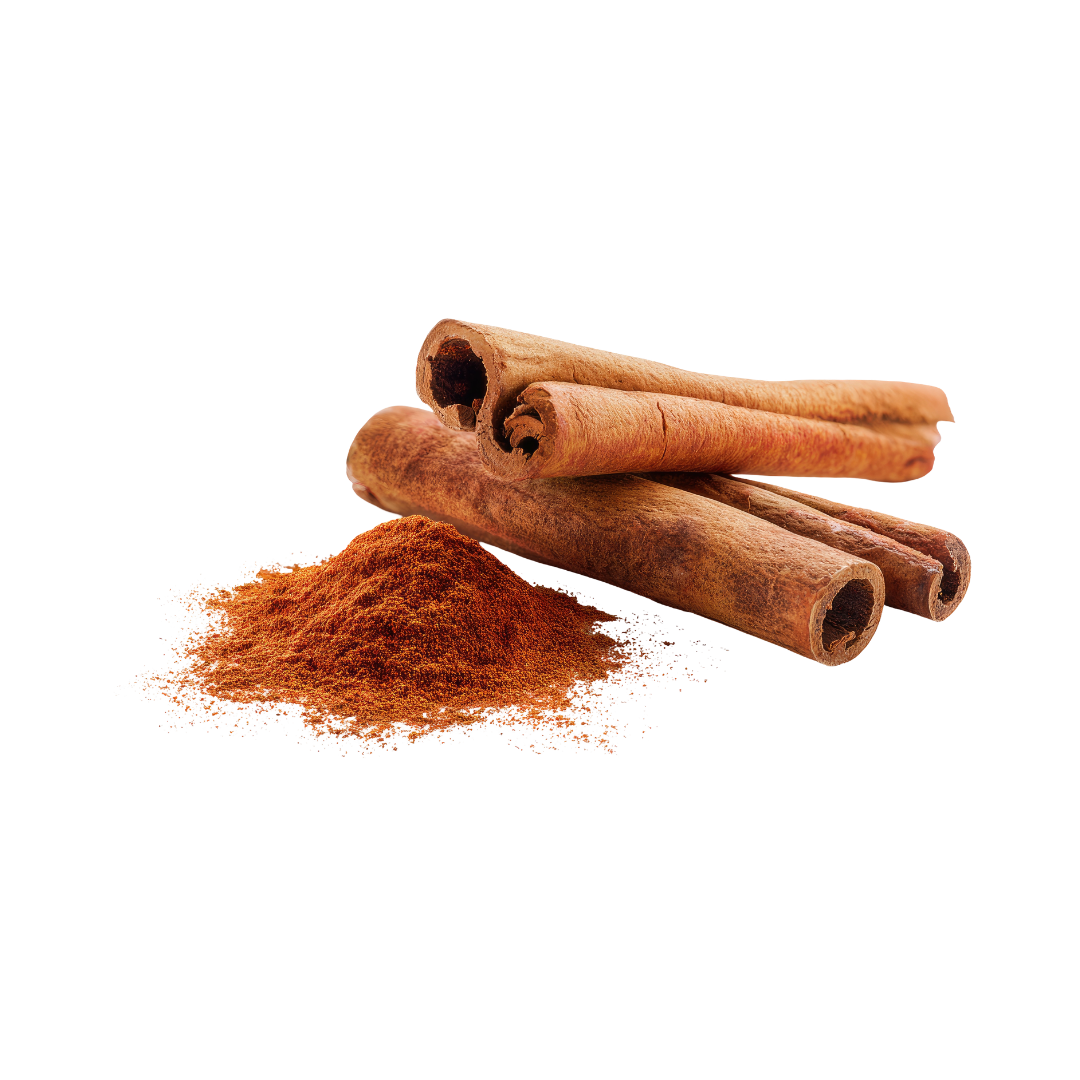 CinnamonBlood sugar · Metabolism
 ACVLiver · Digestion
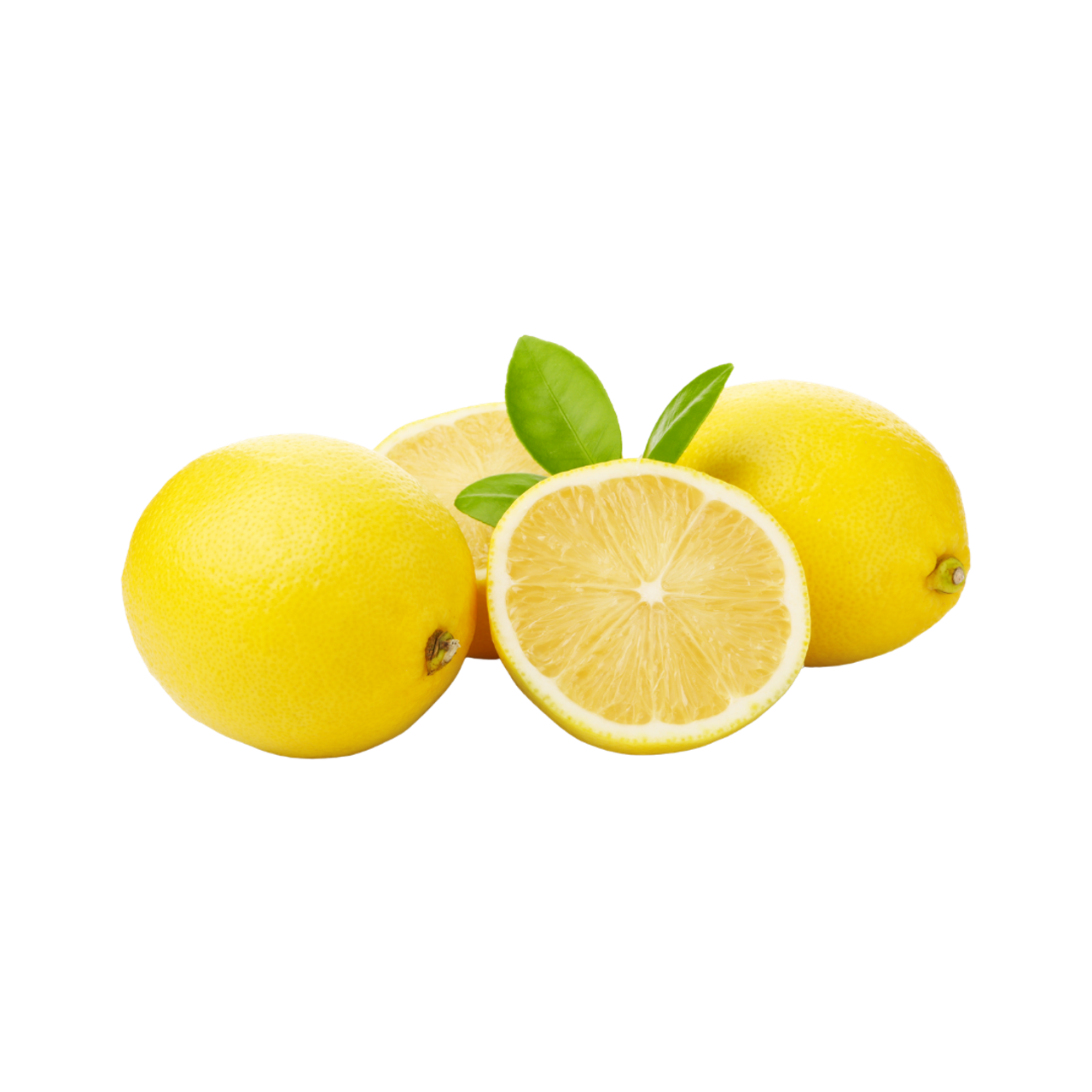 LemonAntioxidant · Detox
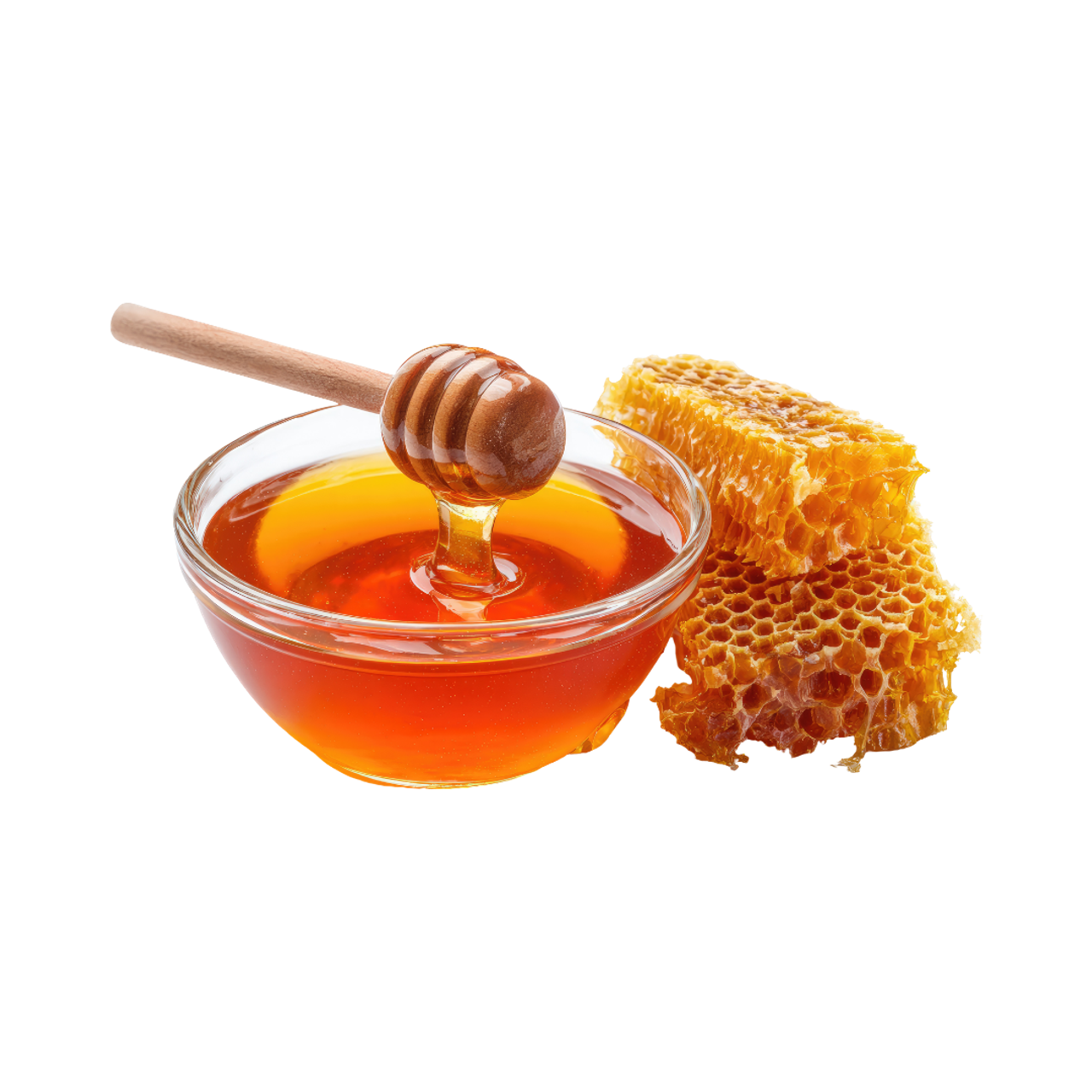 HoneyAntioxidant · Absorption
Every ingredient is referenced in Charaka Samhita and backed by a PubMed-indexed clinical trial
 FSSAI
FSSAIApproved
 GMP
GMPCertified
 Lab
LabTested
 Made in
India
 Chemical
Free
 Non Habit
Forming
Safe alongside your existing medication
Clear Heaart is safe to take alongside statins, beta-blockers, and antihypertensives. The Khalil 2005 study confirmed that Arjuna bark combined with statins produced additive benefit — not interference. Always inform your doctor when starting any new supplement.
See Every Ingredient and Every Clinical Trial Behind Clear Heaart
Stage 4 still responds. Stage 1 reverses fastest. The only stage that does not improve is the one you never treated.
- Ganguly NK et al. Premature CAD in Indians. ICMR. PMC1993956
- INTERHEART Study — CAD in South Asians. PMC3028954
- Burgeoning CVD in Indians — Lancet SEA 2023. PMC10305862
- Lp(a) as Genetic Risk Factor in Young Indians. PMC6796644
- NAFLD as Independent CVD Risk Factor. PMC9242599
- Lipid Association of India Consensus 2023.
- Young Hearts under Attack 2024. PMC12060909


