
Clear Heaart Combo Pack — Ingredient Science Reference
Three Organs.
One Destiny.
What Charaka Samhita called Hridaya–Yakrit–Vrikka, modern medicine in 2024 named the Cardio-Renal-Hepatic Axis. Ayurveda described it first — by 2,300 years.
Pumps blood to every organ. Depends on liver hormones and kidney pressure balance.
Controls cholesterol, detoxifies blood, produces clotting proteins critical for heart and kidney health.
Regulates blood pressure, fluid volume and waste removal — kidney stress directly overloads the heart.
"Charaka Samhita (~300 BCE) identified Hridaya, Yakrit and Vrikka as one interconnected system. The American Heart Association formally named it in 2024."Charaka Samhita vs. American Heart Association (2024)
Ayurveda vs. Modern Research
| Ayurvedic Concept | Source Text | Modern Confirmation |
|---|---|---|
| Hridaya–Yakrit–Vrikka as one system | Charaka Samhita | Cardio-Renal-Hepatic Axis — NIH 2024 |
| Ama from Yakrit causing Hridroga | Charaka — Sutra Sthana | Cytokines from NAFLD causing cardiac inflammation — PMC 2020 |
| Vrikka fluid overload on Hridaya | Sushruta Samhita | Cardiorenal Syndrome — MDPI 2022 |
| Medoroga of Yakrit = root of Hridroga | Ashtanga Hridayam | Fatty liver as primary driver of heart disease — AHA 2024 |
| Ama — silent gut-liver toxin | Charaka — Vimana Sthana | TMAO gut-liver metabolic toxin — ScienceDirect 2025 |
| Sannipata = all three treated together | Charaka — Nidana Sthana | CKM Syndrome mandates treating all three — AHA 2024 |
| Yakrit Shuddhi first in Hridroga treatment | Ashtanga Hridayam | Treating NAFLD reduces cardiovascular mortality — clinical trials |
How the Three Organs Damage Each Other
A fatty liver releases inflammatory cytokines (IL-6, TNF-α) into the bloodstream — causing arterial plaque, cardiomyopathy and arrhythmias even when the heart itself is not primarily diseased.
Kidney impairment activates RAAS — fluid retention raises blood pressure, forcing the heart to pump harder until walls thicken and cardiac output falls in a self-reinforcing spiral.
When all three deteriorate simultaneously, mortality rises dramatically. AHA 2024 named this CKM Syndrome and declared it must be treated as one unified condition.
Key insight: Because heart and kidneys are locked in a mutual feedback loop, treating only one almost never works long-term. Both Ayurveda's Sannipata approach and modern CKM protocols insist on treating all three organs simultaneously.
6 Ayurvedic herbs — each selected for a precise clinical purpose
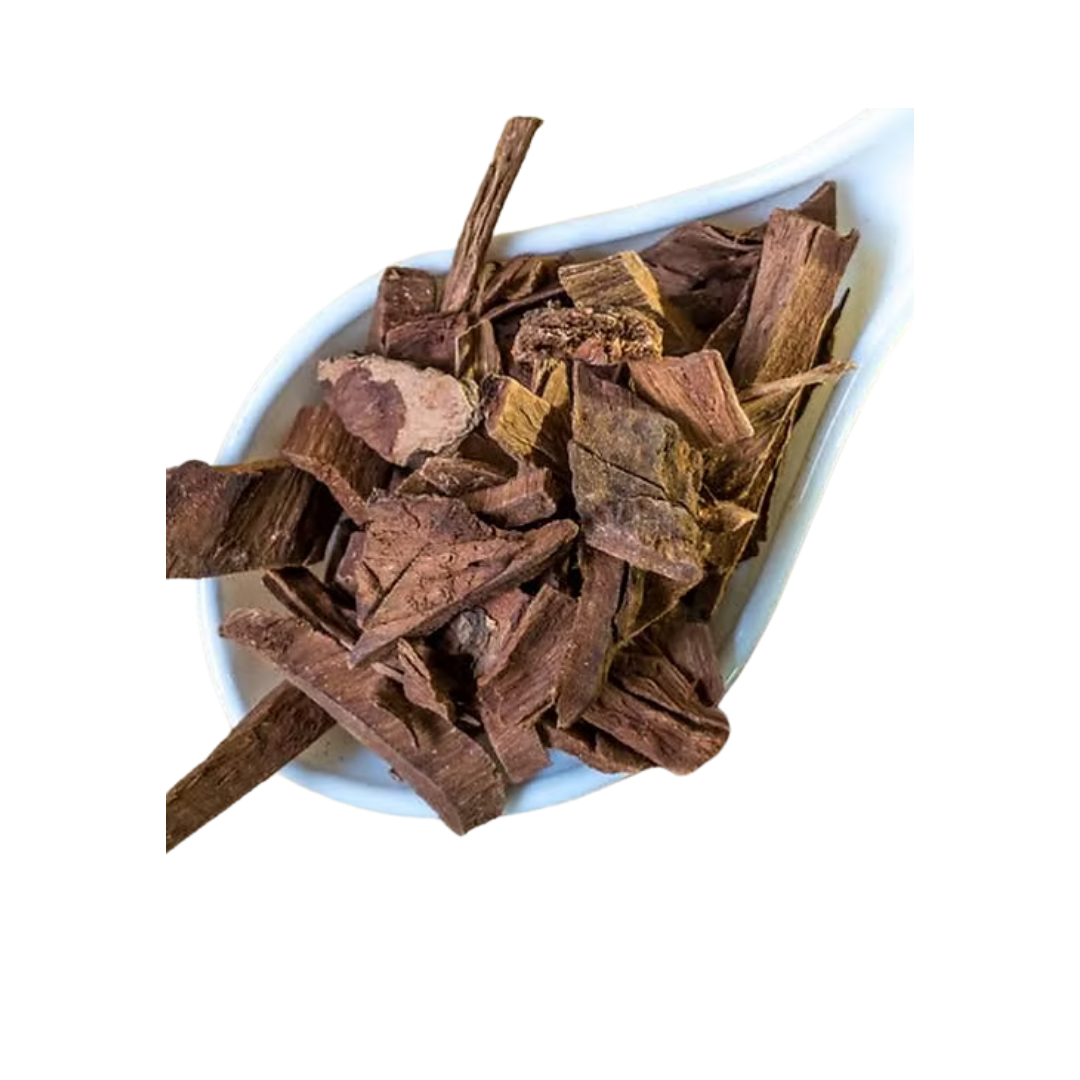
Classified as Hridya (heart tonic) in the Charaka Samhita — used to strengthen the heart muscle and manage Hridroga (chest pain). Vagbhata prescribed Arjuna bark decoction as the primary remedy for cardiac weakness and palpitations. Balances Kapha and Pitta doshas governing cardiovascular function.
Clinical studies show Arjuna bark extract reduces LDL cholesterol and triglycerides while improving left ventricular ejection fraction. Active compounds — glycosides, flavonoids (luteolin, quercetin), and tannins — exhibit cardioprotective, antioxidant, anti-ischemic, and antihypertensive effects. PMC4220499 →
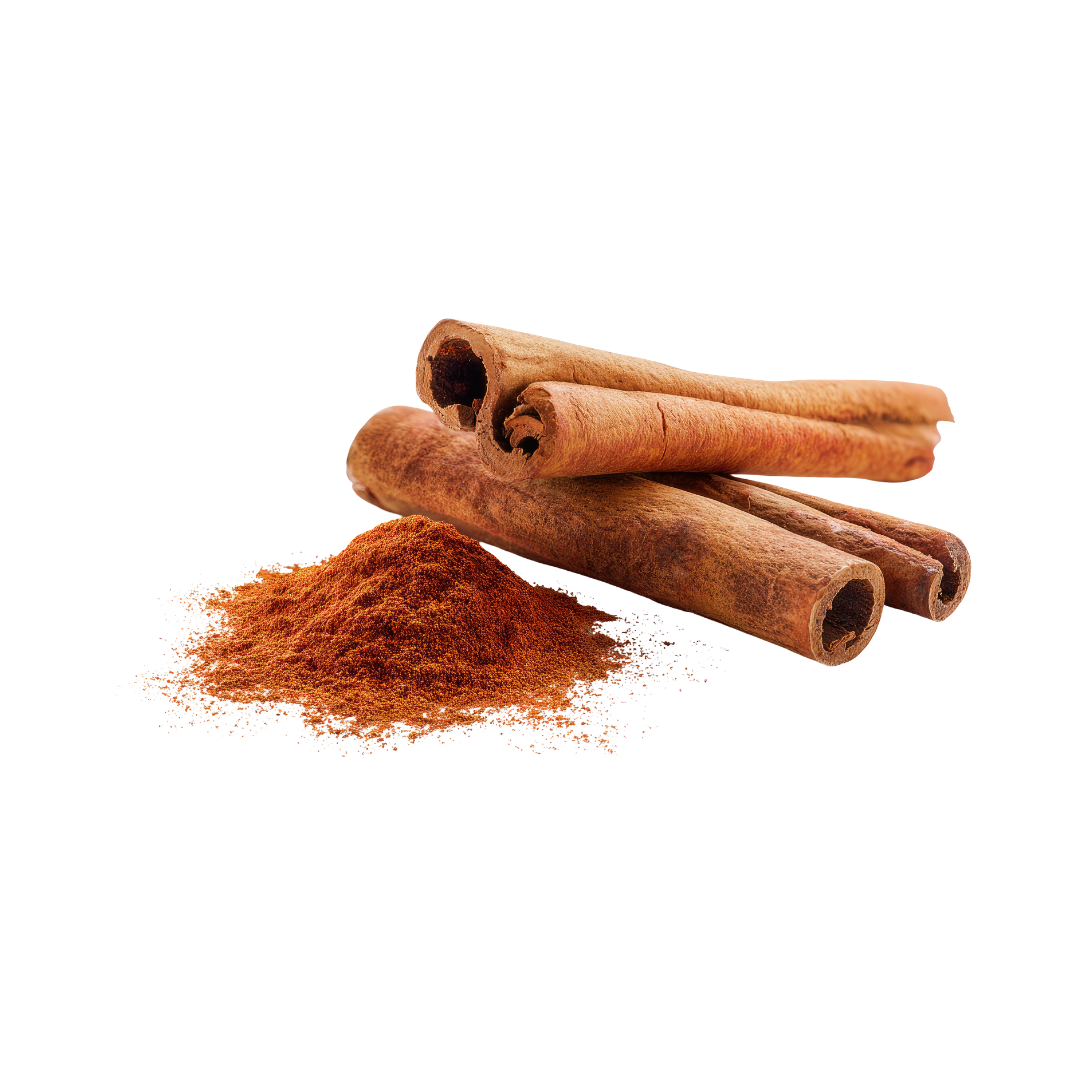
Known as Tvak in Sanskrit. Classified as Deepana (digestive fire enhancer) and Lekhana (scraping fat and toxins from channels). Recommended for Medoroga (lipid disorders) and Prameha (metabolic conditions). Cleanses Raktavaha Srotas and supports the liver in fat metabolism.
Meta-analyses of 49 RCTs (2024) confirm cinnamon significantly reduces fasting blood glucose, LDL cholesterol, and triglycerides. Cinnamaldehyde activates insulin receptors. Studies confirm cinnamon reduces CRP — a key inflammation marker directly linked to cardiovascular risk. PMC12224812 →
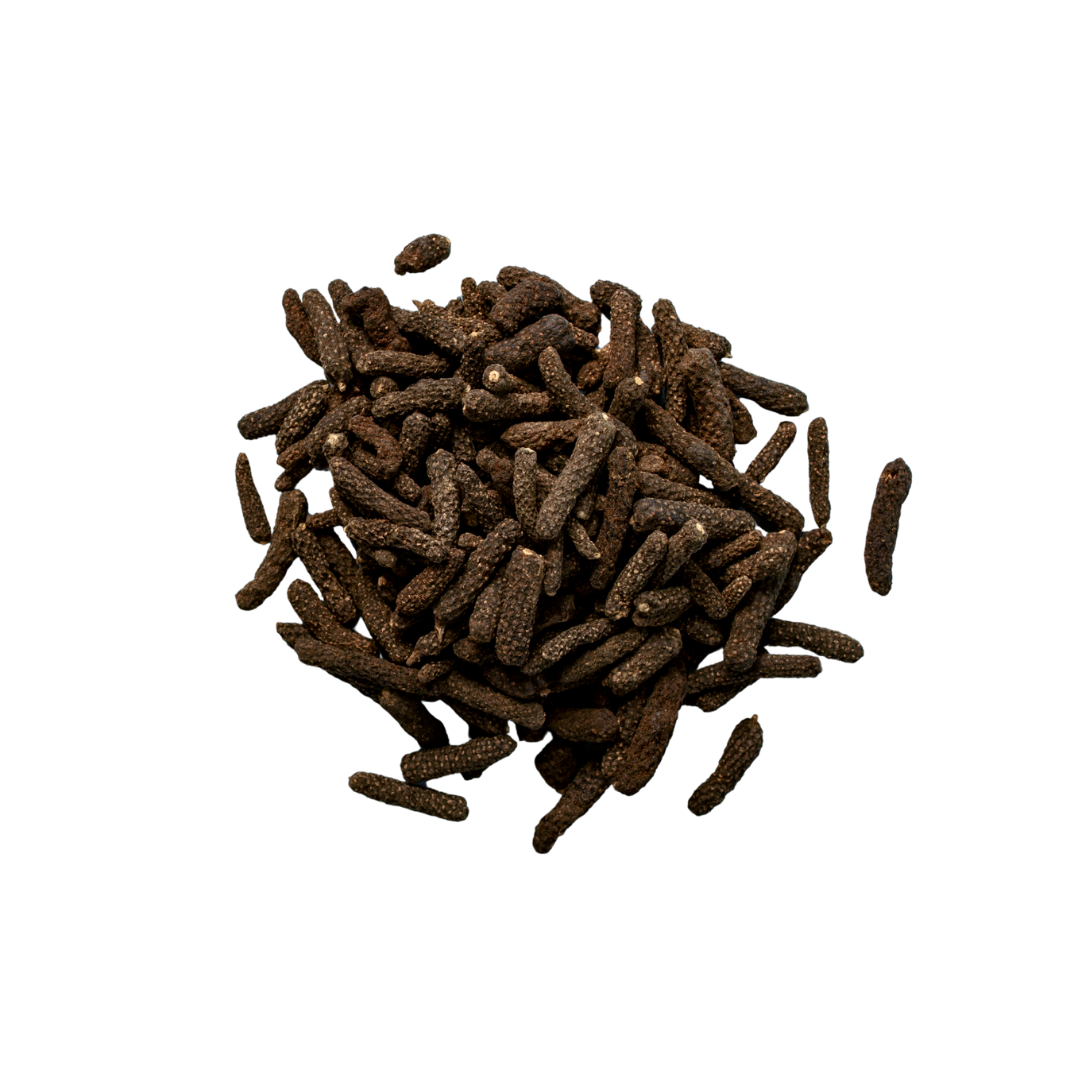
A core component of the Trikatu formula. Classified as Deepana, Pachana (digestive) and Rasayana (rejuvenative). Charaka Samhita recommends Pippali for liver conditions (Yakrit Vikar) and as a catalyst that amplifies the action of other medicines.
Piperine increases bioavailability of co-administered botanical compounds by up to 2,000% by inhibiting drug-metabolizing enzymes in the gut. Research demonstrates hepatoprotective effects — piperine reduces liver enzymes ALT and AST and supports liver cell regeneration. PMC9619120 →
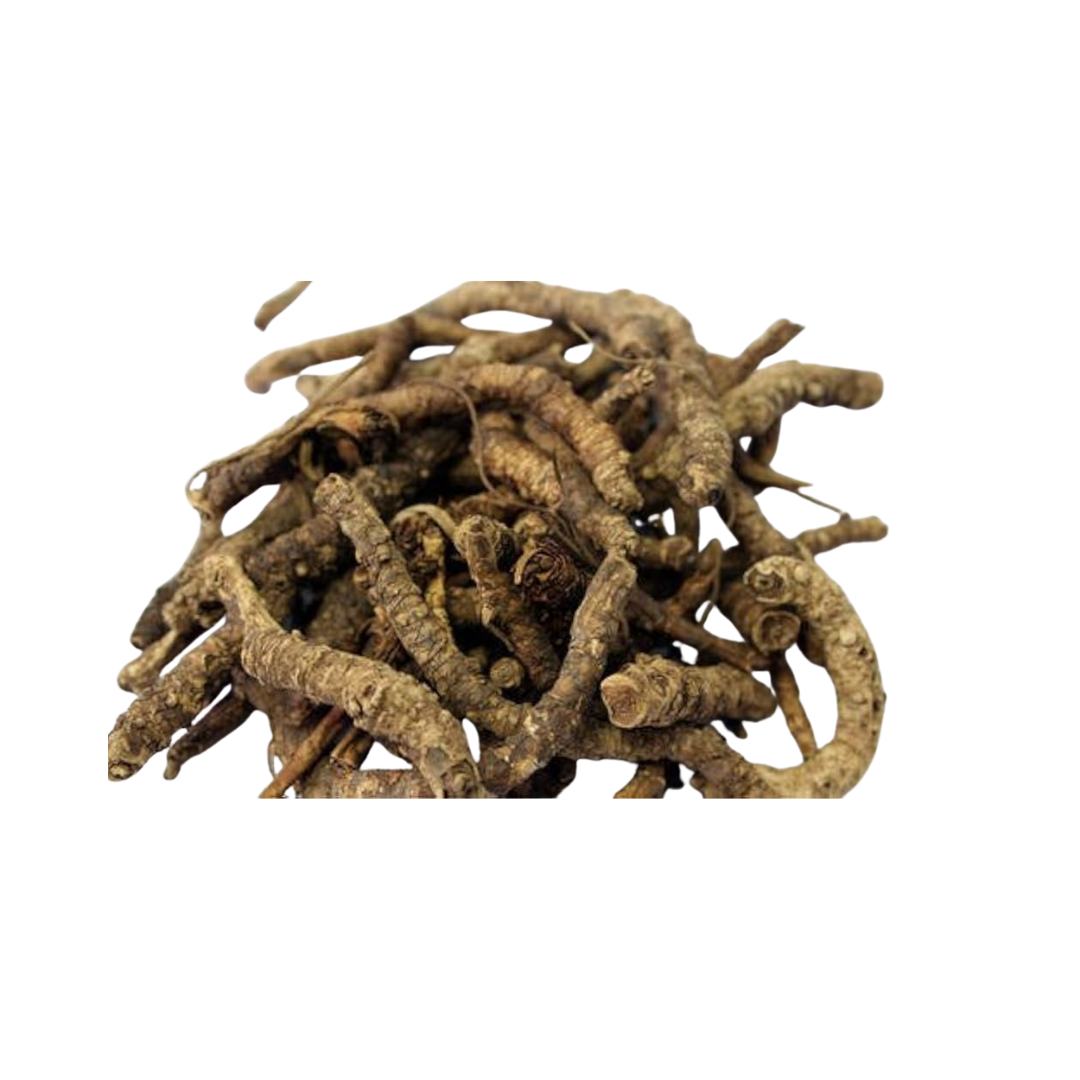
Known as Katuka in Ayurvedic texts. The premier herb for Yakrit (liver) and Pliha (spleen) disorders. Charaka Samhita lists Kutki for Kaamala (jaundice), Arsha (inflammation), and Jwara (chronic systemic inflammation). Pacifies Pitta dosha, which governs liver function and bile production.
Kutki contains picroside I and II (kutkin) — extensively studied for hepatoprotective effects. Research shows kutkin reduces liver inflammation, significantly lowers ALT and AST in fatty liver disease, and promotes liver cell regeneration. Multiple studies demonstrate it equals or outperforms silymarin (milk thistle) in liver protection. PMC10105242 →
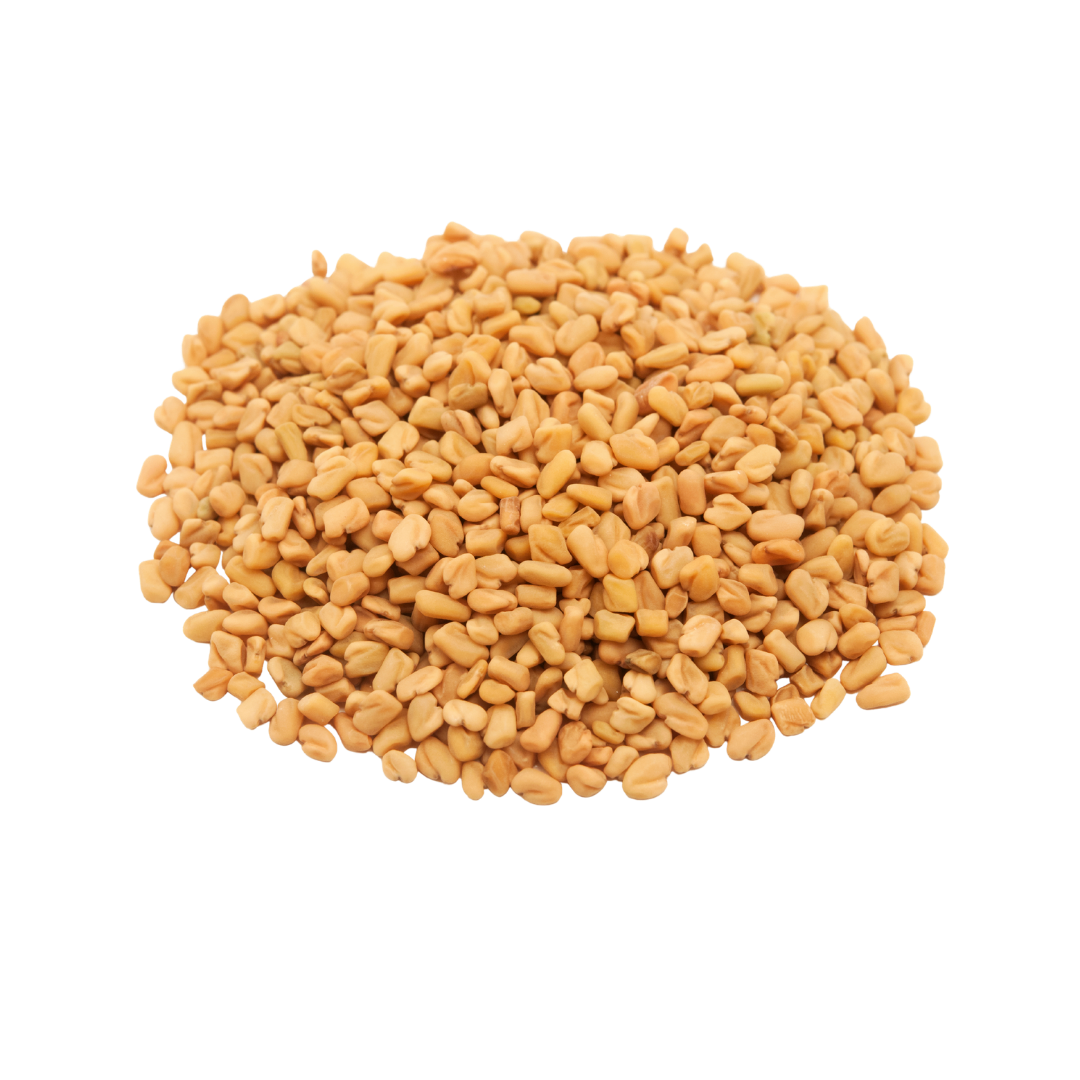
Called Methika in Sanskrit. Prominently mentioned in both Charaka Samhita and Sushruta Samhita for Medoroga (lipid disorders) and Prameha (metabolic/diabetic conditions). Classified as Lekhana (fat-scraping), Deepana (digestive fire), and Vatanulomana (normalizes Vata for better circulation).
Methi seeds contain galactomannan — soluble fiber that binds dietary cholesterol and bile acids in the gut. Multiple RCTs confirm fenugreek reduces fasting glucose and HbA1c. A study showed 18g/day reduced total cholesterol by 14% and LDL by 25% over 24 weeks. PMID 32385866 →
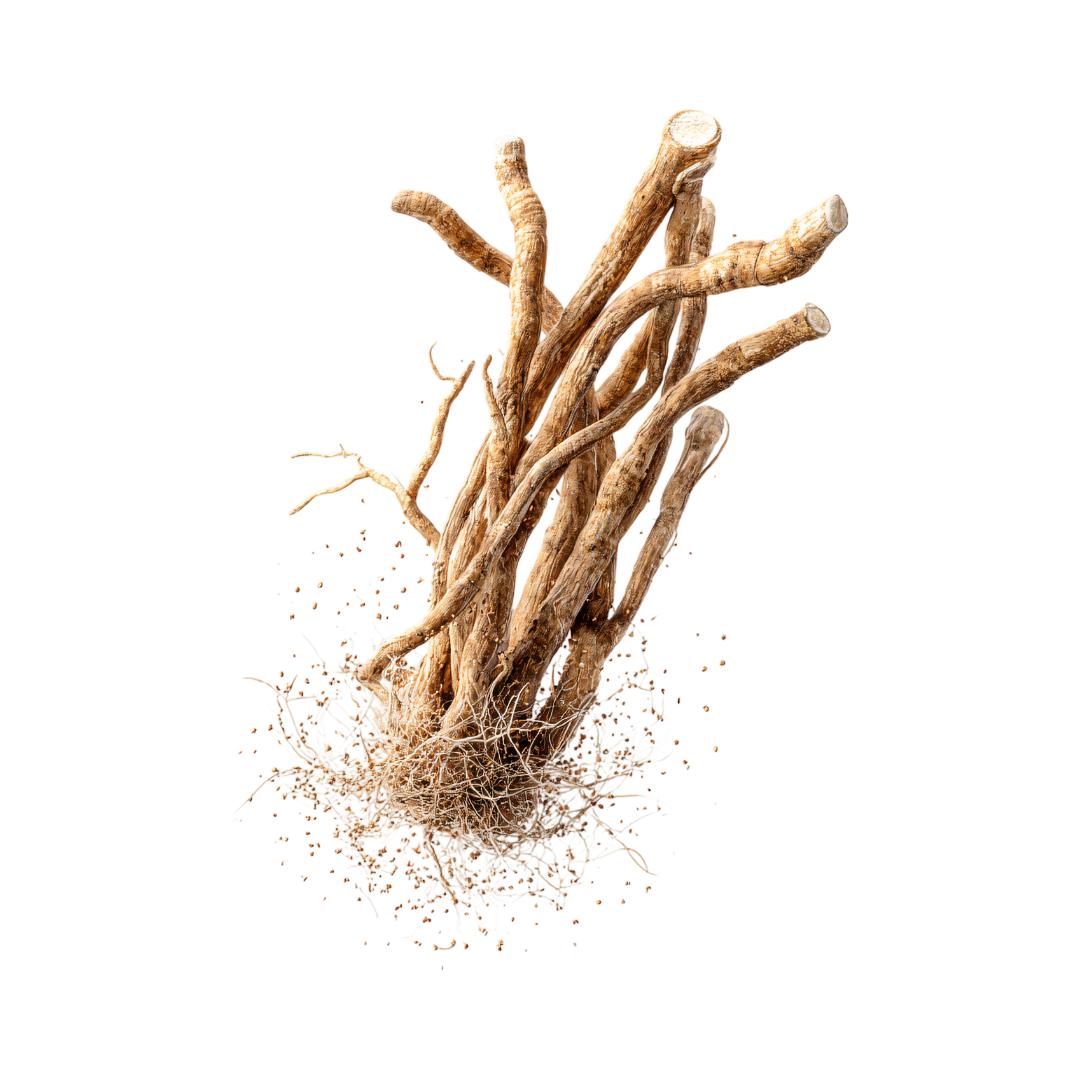
One of the most important Rasayana (rejuvenating) herbs in Ayurveda. The name means "strength of a horse." Recommended in Charaka Samhita for Hridroga (heart disease) and Vatavyadhi (stress/neurological conditions). Classified as Medhya Rasayana — a herb that strengthens the mind-heart connection.
Withanolides show significant reduction in serum cortisol in RCTs — chronically elevated cortisol is a proven major driver of hypertension and arterial inflammation. A 2019 study showed ashwagandha significantly reduced total cholesterol, LDL, and triglycerides while improving HDL. Additional studies confirm improved VO2 max and direct cardioprotective effects. PMC11314093 →
5 whole foods — raw, unprocessed, maximum potency
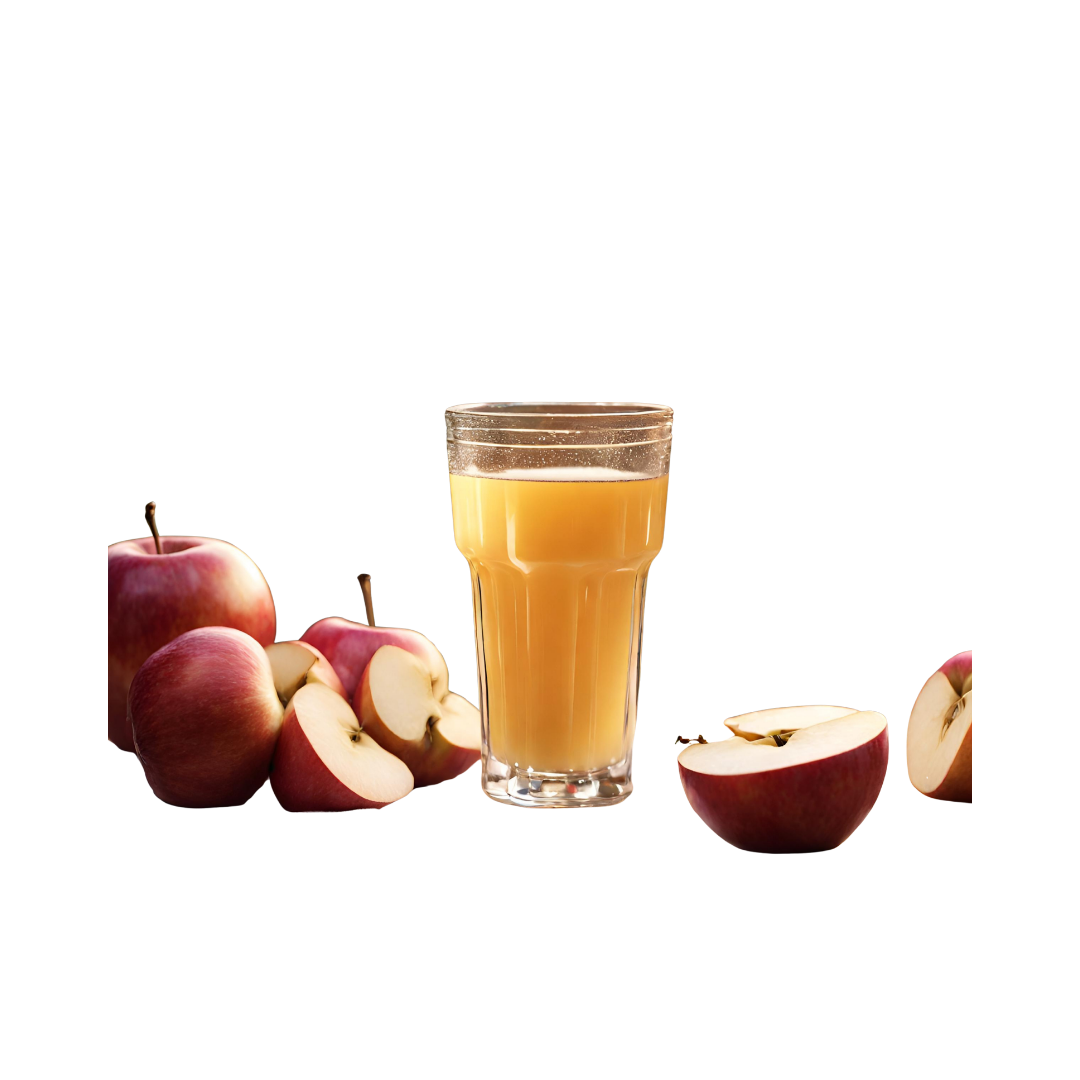
Fermented preparations (Asava, Arishta) are a cornerstone of Ayurvedic medicine. Raw ACV aligns with Amla (sour) rasa and Deepana-Pachana action — stimulating digestive fire and metabolizing Ama. Acetic acid mirrors the action of Lekhana — scraping fat deposits from Medovaha Srotas, including the liver and blood vessels.
Acetic acid in ACV activates AMPK — the body's master metabolic switch — stimulating fat burning and reducing lipid synthesis in the liver. Studies confirm ACV reduces fasting blood glucose, improves insulin sensitivity, and lowers HbA1c. Research confirmed daily ACV reduced LDL and triglycerides over 8 weeks. PMC8243436 →
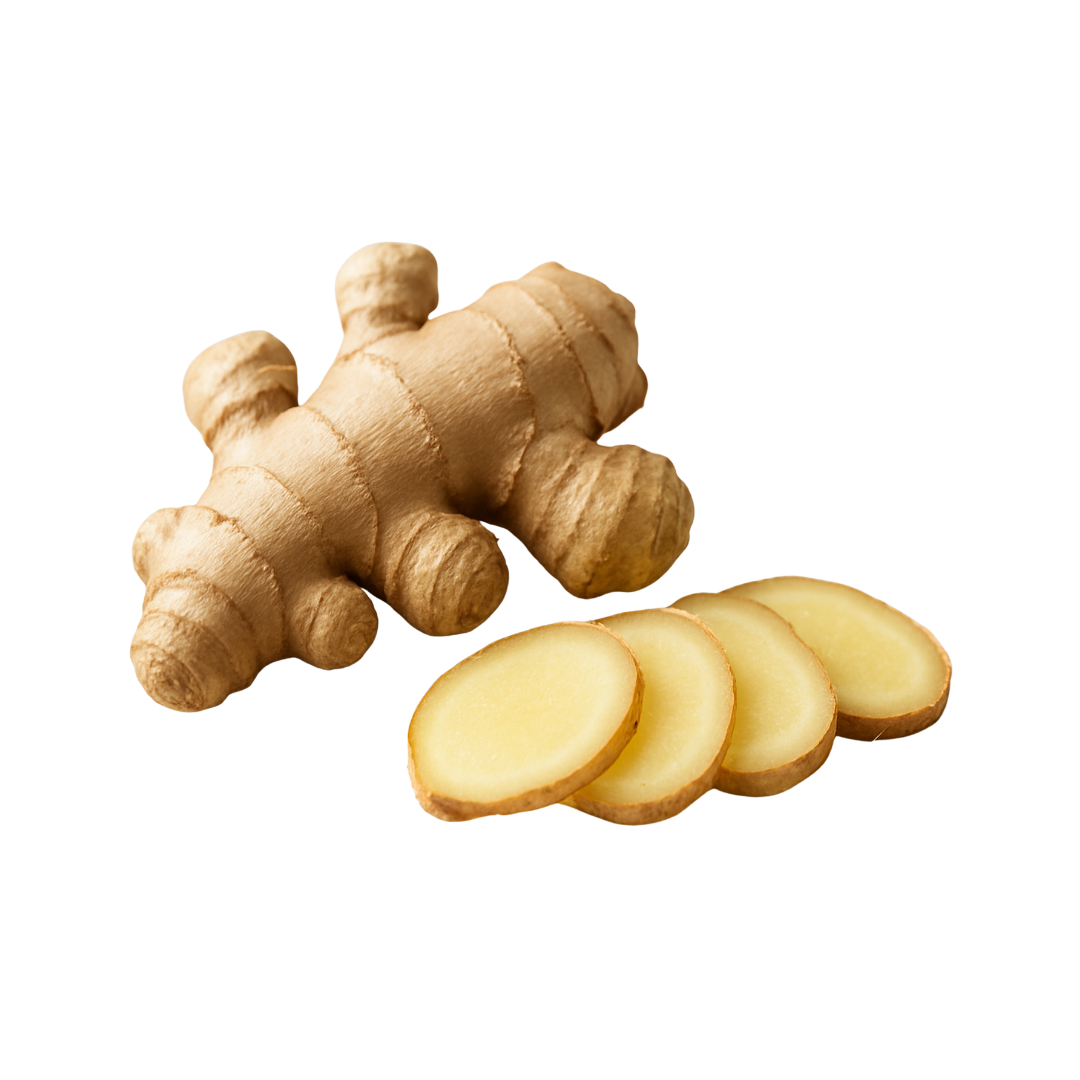
Called Mahaushadha — the great medicine. A core Trikatu herb classified as Hridya (heart tonic) and Ama-pachana — burning off accumulated metabolic toxins. Ashtanga Hridayam specifically recommends ginger for Hridroga (heart disease) and cleansing of Raktavaha Srotas.
Gingerols and shogaols are potent COX-2 inhibitors — same mechanism as anti-inflammatory drugs but without gastrointestinal side effects. Clinical studies confirm ginger significantly reduces serum cholesterol, LDL and VLDL. Ginger also inhibits platelet aggregation — directly reducing heart attack and stroke risk. PMC12131349 →
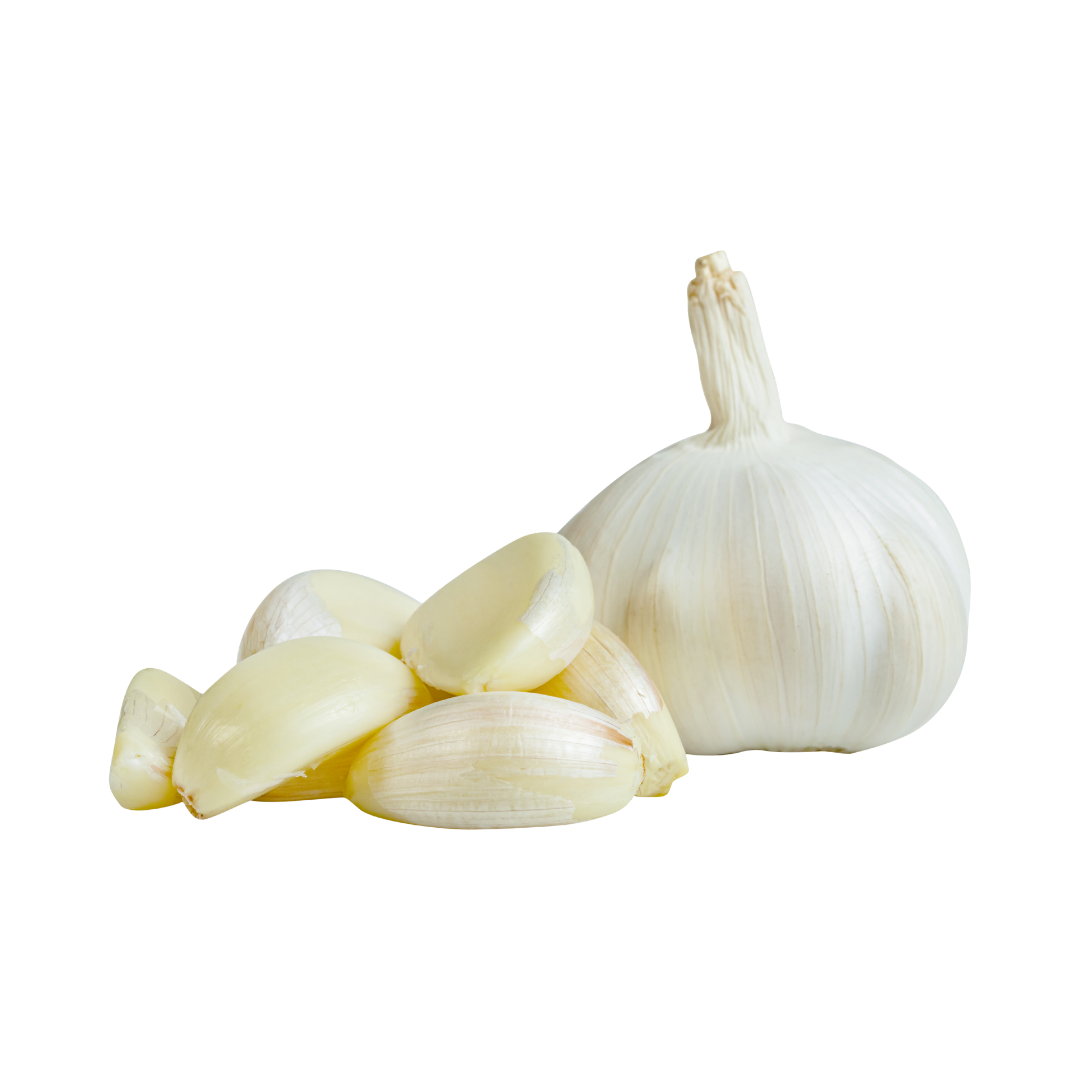
Called Rasona in Sanskrit — containing 5 of the 6 Ayurvedic tastes. Classified as Hridya (heart tonic), Lekhana (cholesterol and fat scraper), and Krimighna (antimicrobial). Ancient texts describe it as the supreme purifier of Raktavaha Srotas. Raw garlic is specifically emphasized — Ayurveda recognized that cooking diminishes its therapeutic potency.
Allicin — released when raw garlic is crushed — is the primary active compound. Over 40 clinical trials confirm garlic reduces systolic BP by 8–10 mmHg and diastolic by 5–7 mmHg, comparable to mild antihypertensive medication. Meta-analyses confirm garlic reduces total cholesterol by 9–12% and LDL by up to 17%. Cooking destroys up to 90% of allicin. PMC8031974 →
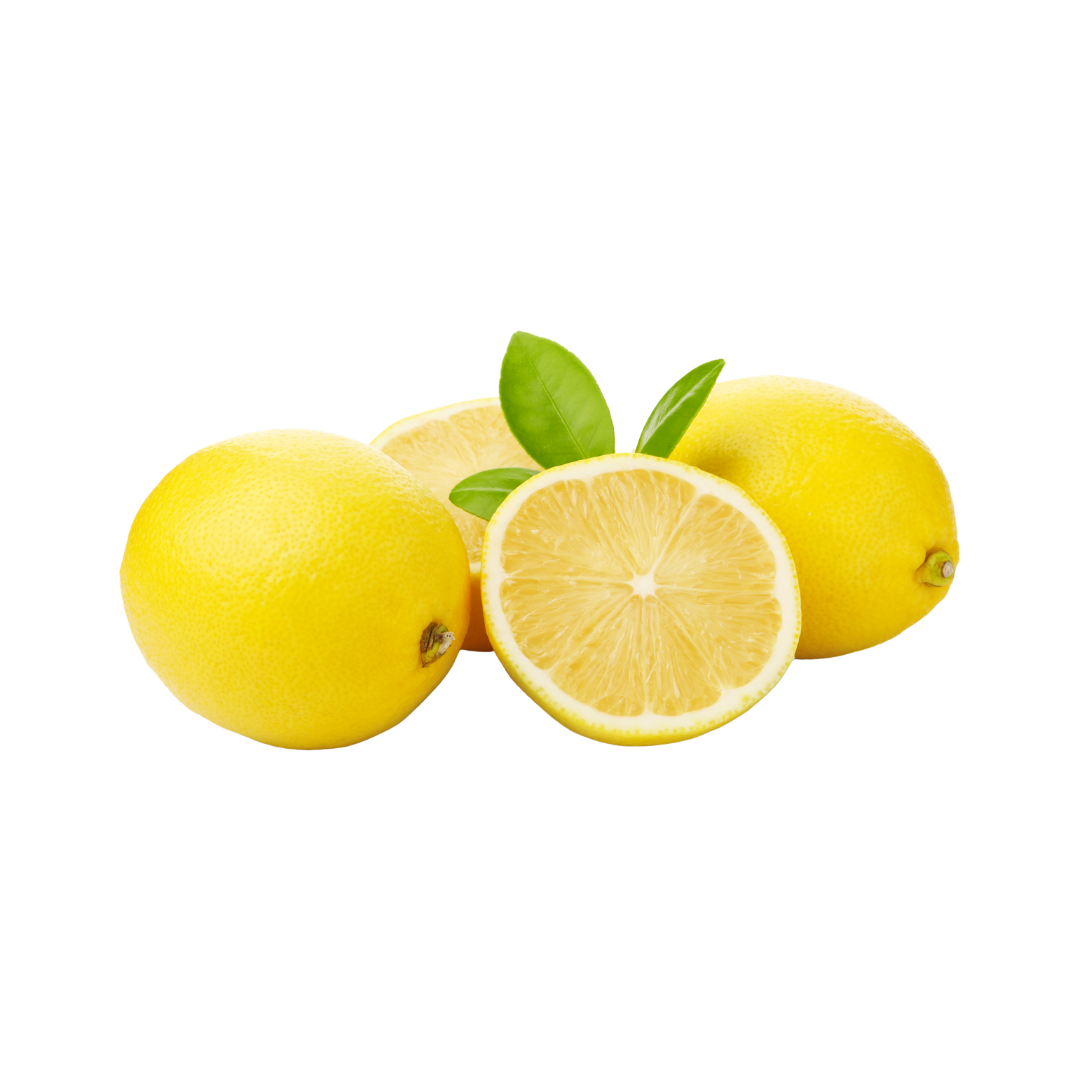
Called Nimbuka in Ayurveda. Classified as Amla (sour) rasa with Deepana and Pachana properties. Charaka recommends lemon as a Hridya (heart-supporting) food. Sour taste stimulates the liver, enhances bile flow and strengthens Agni. Lemon water at dawn is a classical Ayurvedic Dinacharya for liver and kidney cleansing — described in Ashtanga Hridayam.
Vitamin C is a critical cofactor for collagen synthesis — essential for maintaining arterial wall integrity and preventing the micro-tears where cholesterol plaque begins to form. Hesperidin in lemon juice reduces LDL and increases HDL. D-Limonene induces Phase I and Phase II liver detoxification enzymes. PMC4279313 →
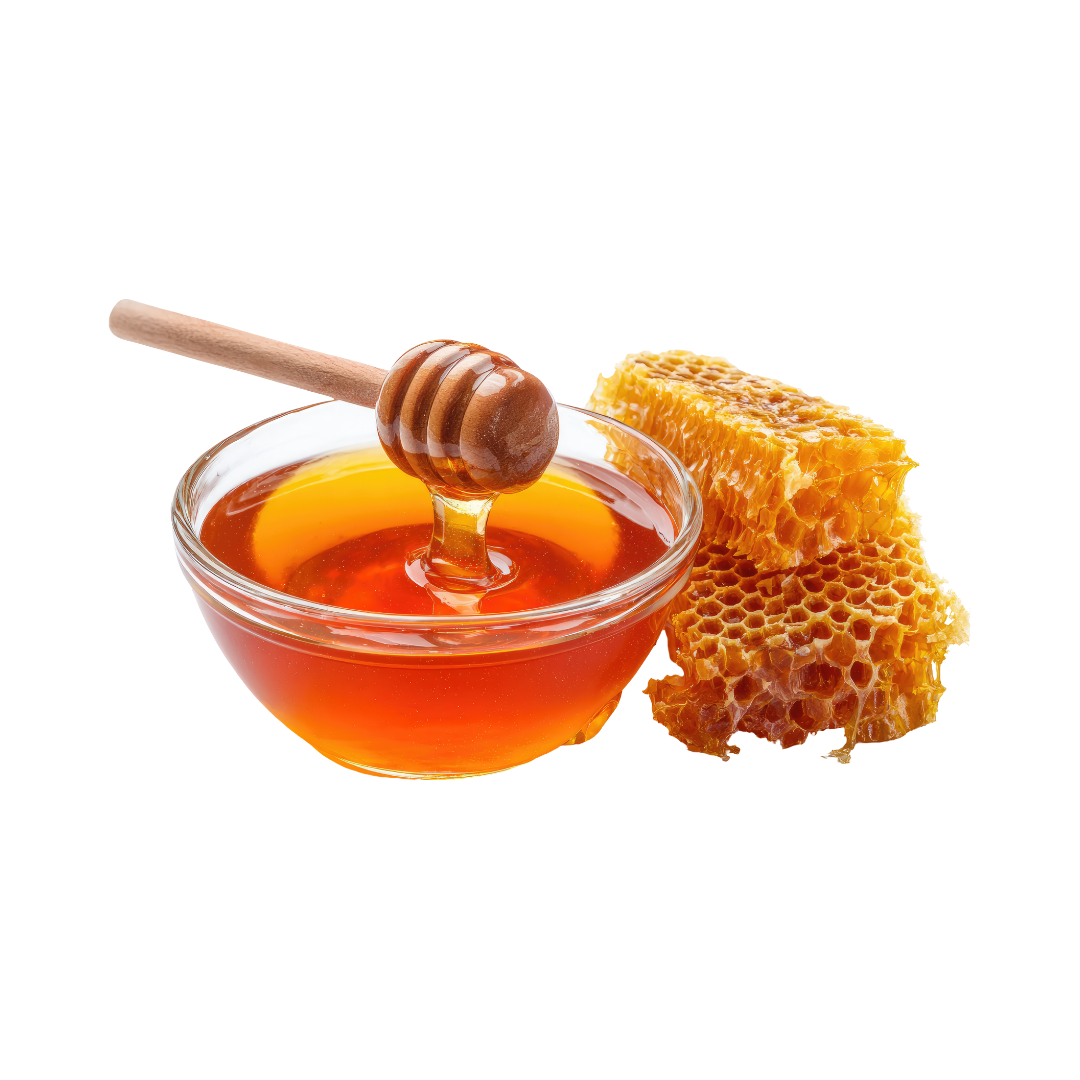
Called Madhu — one of the most sacred therapeutic substances in Ayurveda. Considered Yogavahi (carrier vehicle) — it penetrates deep tissues and carries other herbs' properties with it. Charaka Samhita classifies honey as Hridya (heart tonic), Lekhana (fat-scraping), and the supreme Anupana for delivering herbal medicines. Ayurveda warns that heating honey above 40°C converts it to Ama — which is why Clear Heaart Liquid uses only raw, unheated honey.
Raw honey's antioxidant content — flavonoids, phenolic acids, and catalase — has been shown in clinical trials to reduce total cholesterol and LDL while increasing HDL and reducing CRP. Prebiotic oligosaccharides feed beneficial gut bacteria that perform bile acid transformation — a key step in cholesterol excretion. Honey improves bioavailability of botanical polyphenols — enhancing every other ingredient in the formula. PMC4279313 →
The Combination Effect
Clear Heaart Combo Pack — Every Ingredient Intentional
Every ingredient referenced in Charaka Samhita, Sushruta Samhita or Ashtanga Hridayam. Every health claim backed by a PubMed-indexed clinical study.
Explore the Clear Heaart Combo Pack →Disclaimer: For educational purposes only. Not medical advice. Sources: PMC12257864, PMC7617754, MDPI 2022, ScienceDirect 2025, AHA 2024, and PMC references linked within each ingredient section above.


