
test2
Clear Heaart is a two-part Ayurvedic heart health system — a capsule and a liquid — designed for people who want to proactively support their heart, liver, and kidney health. Every ingredient is drawn from classical Ayurvedic texts and backed by published human clinical research. This page explains the science behind each of the 11 ingredients — what they are, what the ancient texts say, what the clinical trials show, and how they work together as a system.
Most Heart Attacks ComeWith No Warning at All.
The data from India's own hospitals tells a story most people never hear — until it's too late.
Half of all heart attacks in India happen without any prior symptoms. No chest pain. No warning. The first sign is the event itself.
Arteries must be 70–80% blocked before most people feel breathlessness or chest discomfort. By then, you're in a medical emergency.
India has one of the world's highest rates of early heart disease. "I'm too young for this" is the most dangerous thought you can have.
Fatty liver — now present in 1 in 3 Indians — triples cardiovascular risk by flooding blood with inflammatory LDL. Most people don't know they have it.
"My father was fit, active, and careful with his diet. He had his first heart attack at 54. His arteries were 80% blocked — and he had no idea."
— The story behind why we built Clear Heaart · Founder: Mr. Naresh MehtaIf Any of These Sound Familiar, Keep Reading.
These signs may show up in your next health report — or you may already be living with them.
Cholesterol, triglycerides or blood sugar rising in recent tests
Climbing stairs feels harder than it did a few years ago
A parent or sibling had a heart attack — your risk is significantly higher
Chronic stress silently raises cortisol, hardens arteries, and raises BP
Fatty liver produces the inflammatory LDL that directly builds arterial plaque
Medication manages symptoms, not root causes — the blockage continues growing
Blockage Doesn't Stop Growing. It Compounds.
Arterial plaque builds silently over years — and each stage is harder to address than the last.
Fatty deposits inside artery walls. No symptoms. Fully reversible with the right nutritional support. This is the most important window to act.
Plaque hardens. Inflammation increases. Still manageable — but the window is closing. Soft plaque is beginning to calcify.
Significant narrowing. Breathlessness on exertion begins. Most people first notice symptoms here — years after the process started.
Plaque ruptures. A clot forms instantly. Complete arterial blockage. Heart attack or stroke. Most people discover their blockage here.
Every ingredient in the formula targets a specific mechanism in the blockage process — from the liver that produces the LDL, to the inflammation that hardens the plaque, to the platelet clotting that triggers the final event. Every month you wait, soft plaque calcifies and becomes harder to address.
Ancient Ayurvedic Wisdom.
Modern Clinical Proof.
11 ingredients. Each proven by classical Ayurvedic texts and PubMed-indexed clinical trials.
"My father was fit, active, and careful with his diet. He had his first heart attack at 54. His arteries were 80% blocked — and he had no idea."
— The reality that drove us to build this formulaArterial blockage doesn't announce itself — until it does. As a heart attack, a stroke, emergency surgery. Most supplements offer one ingredient, one mechanism. Heart disease has eleven. Every ingredient in Clear Heaart is referenced in the Charaka Samhita, Sushruta Samhita, or Ashtanga Hridayam — and every health claim is backed by a PubMed-indexed clinical study. All eleven.
Coronary plaque reduction in garlic RCT vs 57% increase in placebo
Reduction in anginal episodes — Arjuna cardiac trial, Indian Heart Journal
Human RCTs via coronary CT imaging confirming plaque regression in arteries

Why This System Works —
Each Ingredient Has One Job
Arterial blockage has multiple upstream causes — cholesterol, inflammation, liver dysfunction, stress. Clear Heaart addresses all of them simultaneously.
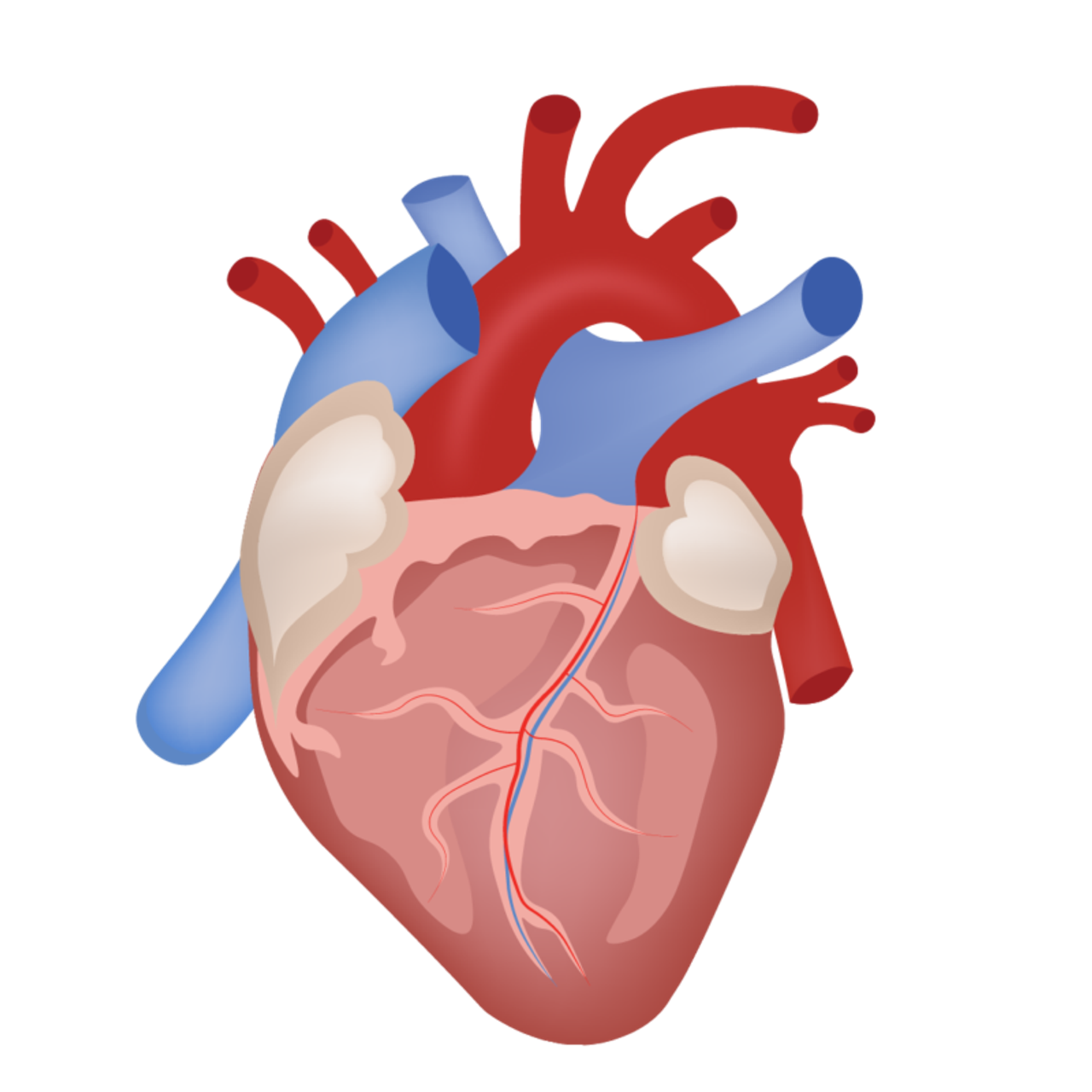
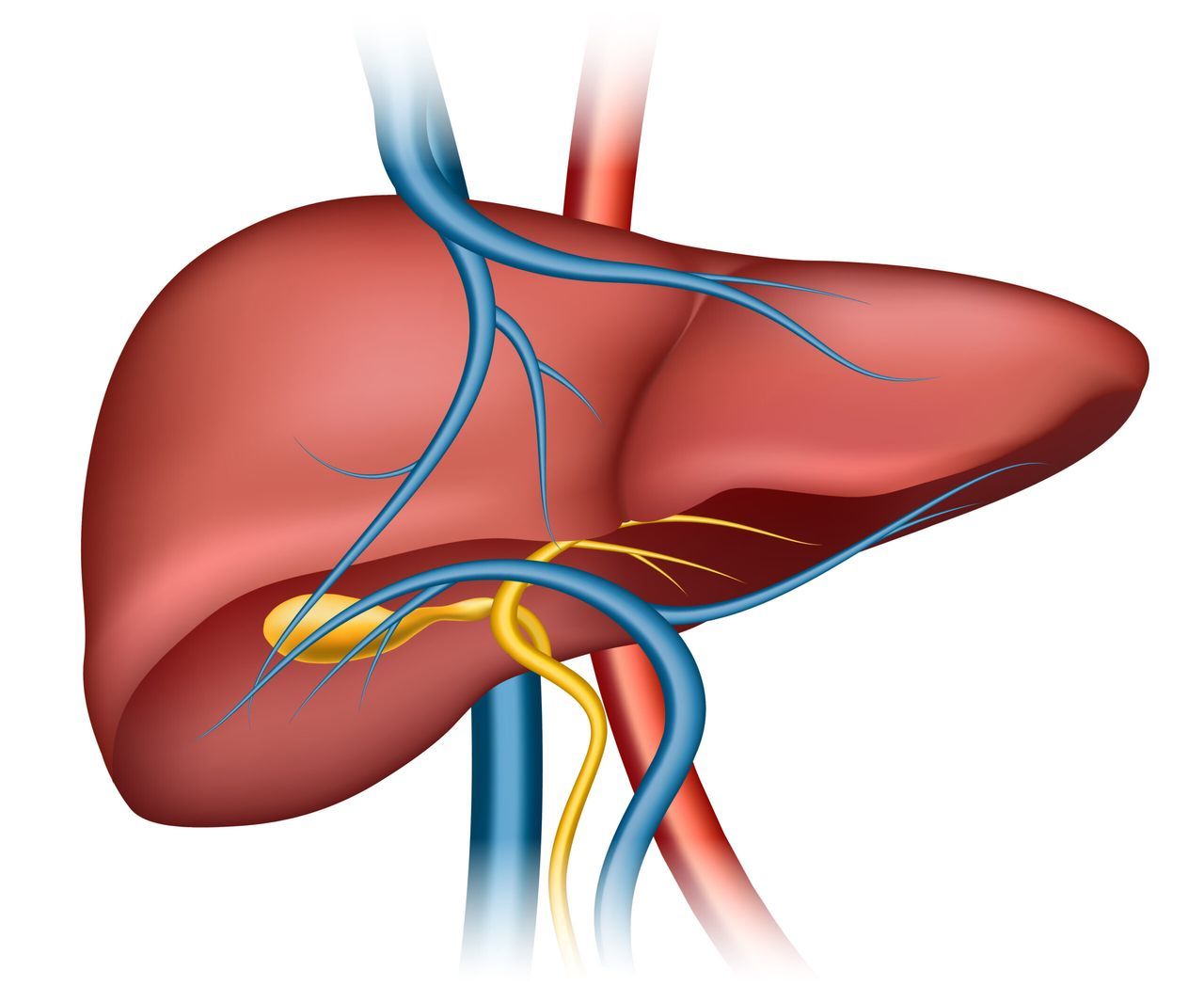

The Clear Heaart System
Each ingredient has a specific job. Together they address every upstream cause of arterial blockage — from cholesterol production in the liver to the final platelet clotting event.
Fatty liver floods blood with LDL. These four heal the liver first — cutting cholesterol at its source.
Arterial micro-tears are where plaque begins. These three maintain wall strength and block LDL deposits.
Chronic inflammation hardens arteries. These reduce CRP, IL-6, cortisol, and COX-2.
A heart attack happens when a clot blocks a narrowed artery. These inhibit platelet aggregation.
Without these, actives are destroyed in the gut. Pippali boosts bioavailability up to 2,000%. Honey carries actives deeper into tissues.
Kidneys regulate blood pressure directly. These support kidney filtration, glucose, and the cardio-renal axis.
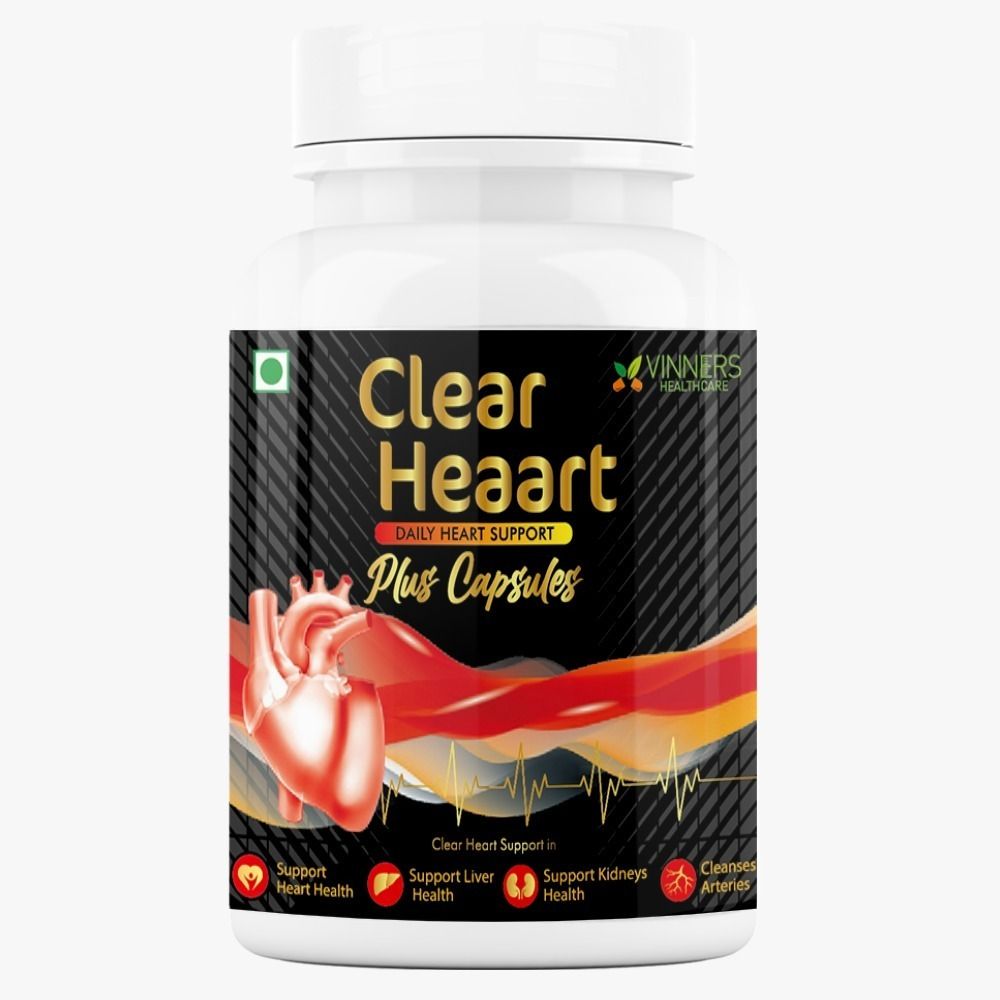
Clear Heaart Plus Capsule
6 Classical Herbs · Clinically Validated
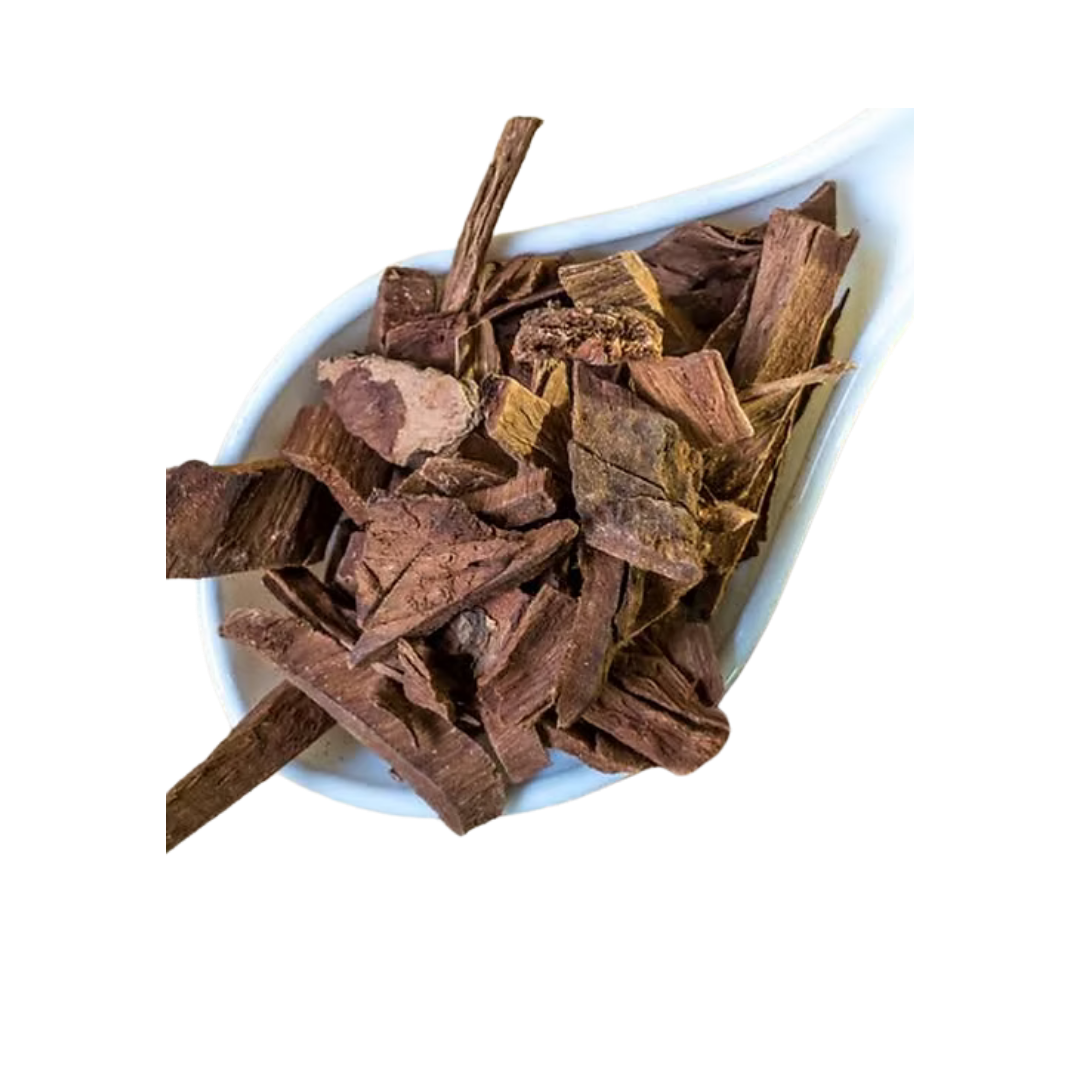
Arjuna bark is the only Ayurvedic herb tested in a double-blind RCT directly against a prescription heart drug — and it won. Anginal episodes dropped by half; heart pumping power measurably improved in post-heart-attack patients within 3 months.
Classified as Hridya (heart tonic) in the Charaka Samhita. Used to strengthen the heart muscle, manage chest pain (Hridroga), and balance Kapha-Pitta doshas governing cardiovascular function. Acharya Vagbhata described Arjuna bark decoction as the primary remedy for cardiac weakness and palpitations. Also used in Ashtanga Hridayam for Shwasa (breathlessness linked to heart).
Clinical studies show Arjuna bark extract reduces LDL and triglycerides while improving left ventricular ejection fraction. Active compounds — glycosides (arjunoside I & II), flavonoids (luteolin, quercetin), tannins — exhibit cardioprotective, antioxidant, anti-ischemic, and antihypertensive effects confirmed in peer-reviewed trials.
PMID 9505018 (1997): Arjuna bark over 3 months reduced anginal episodes 50%, lowered cholesterol 10.2%, TG 17.9%, LDL 9.59%. LVEF improved 42%→52% in post-MI patients. Second double-blind trial (116 CAD patients) confirmed reduction of TG, VLDL, and immuno-inflammatory markers vs. placebo.
Read Study — PMC4220499 →50% fewer anginal episodes vs. isosorbide mononitrate. Platelet aggregation inhibited in 20 angiography-confirmed CAD patients. Anti-foam cell activity documented — slows atherosclerotic plaque development. Ischemic mitral regurgitation reduced in acute MI patients.
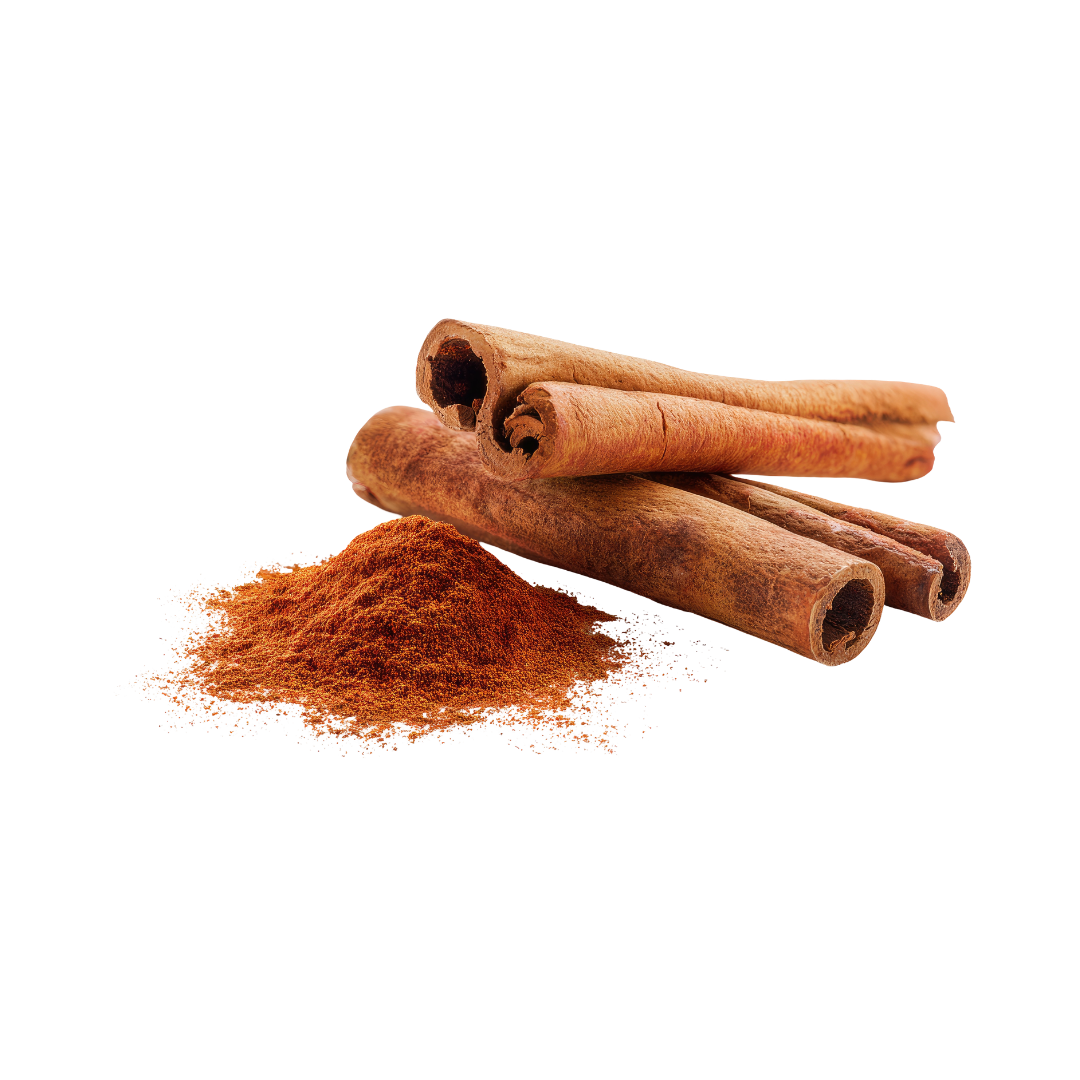
No single drug targets all three simultaneously. Cinnamon does. Across 49 randomised controlled trials, it significantly reduced every measurable driver of atherosclerosis — making it one of the most comprehensively studied natural cardiovascular ingredients in modern science.
Known as Tvak in Sanskrit. Classified as Deepana (digestive fire enhancer) and Lekhana (scraping fat and toxins from channels). Recommended for Medoroga (lipid/obesity disorders) and Prameha (metabolic conditions including diabetes). Said to cleanse Raktavaha Srotas and support liver fat metabolism.
Meta-analyses confirm cinnamon significantly reduces fasting blood glucose, LDL, and triglycerides. Cinnamaldehyde activates insulin receptors and improves glucose uptake. Reduces CRP — a key cardiovascular inflammation marker. Its antioxidant ORAC value ranks among the highest of all dietary spices.
PMC12224812 (2024): Cinnamon significantly reduced triglycerides, LDL, and fasting blood sugar across 49 RCTs — three primary drivers of heart attack. Cinnamaldehyde also activates AMPK, directly reducing fatty liver progression — a key upstream cause of cardiac inflammation.
Read Study — PMC12224812 →Addresses all three drivers of atherosclerosis: lowers LDL and TG, improves insulin sensitivity, and reduces CRP. Also reduces oxidised LDL — the specific form that initiates foam cell formation and plaque buildup.
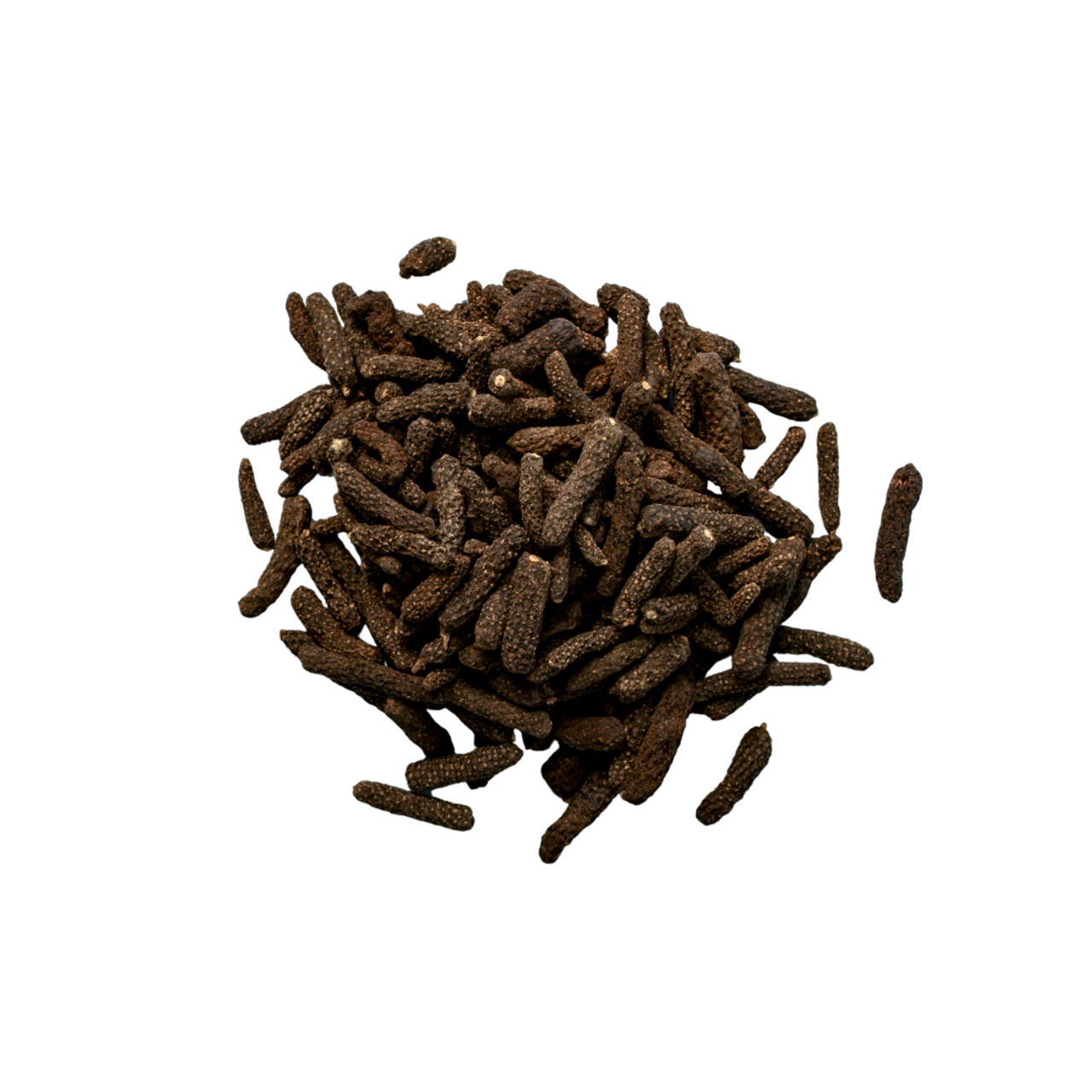
Piperine, the active compound in Pippali, blocks the gut enzymes that destroy botanical medicines before they reach your blood. This is why Clear Heaart works when other formulas don't — every active compound actually arrives at your heart and liver at full strength.
Core Trikatu component. Classified as Deepana, Pachana, and Rasayana. Charaka Samhita recommends Pippali for liver conditions (Yakrit Vikar) and as a catalyst that amplifies the action of other medicines. Said to improve Agni at the cellular Dhatvagni level.
Active compound piperine increases bioavailability of co-administered botanical compounds by up to 2,000% by inhibiting CYP3A4 enzymes in the gut. Research demonstrates hepatoprotective effects — reduces liver enzymes ALT and AST. Also lowers cholesterol via bile acid modulation and inhibits inflammation through NF-kB pathway.
PMC9619120: Piperine inhibits CYP3A4 and P-glycoprotein enzymes, allowing co-administered compounds to reach systemic circulation. Every active compound in Clear Heaart — allicin from garlic, gingerols, arjunolic acid — reaches the heart and liver at substantially higher concentrations.
Read Study — PMC9619120 →NF-kB inhibition reduces the inflammatory cascade driving arterial plaque. Piperine also inhibits platelet-activating factor (PAF), reducing the clotting trigger for heart attacks. Without Pippali, a significant fraction of every active compound is destroyed in the gut before reaching the bloodstream.
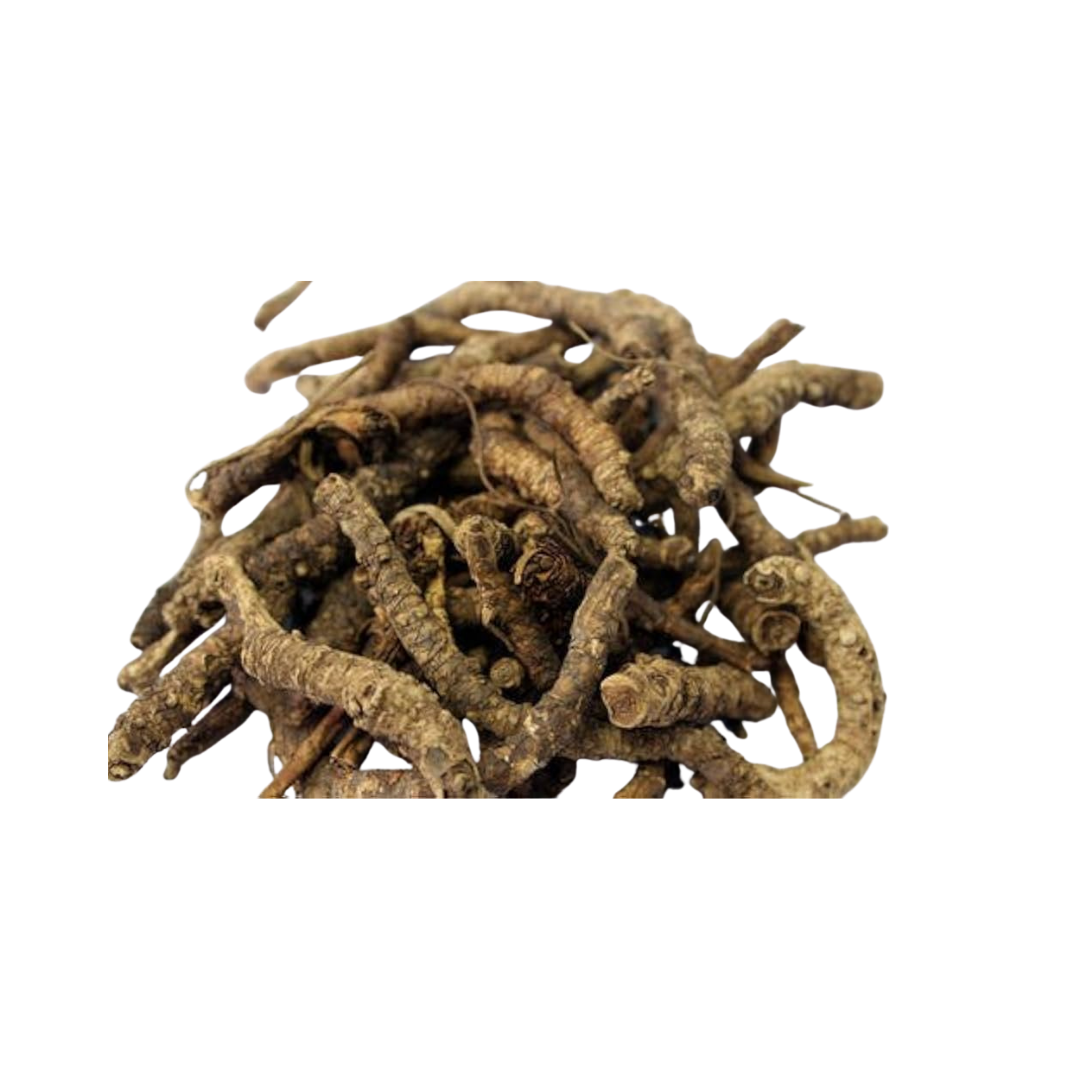
Your liver produces 80% of your body's cholesterol. When the liver is inflamed (fatty liver), it floods your blood with the LDL that blocks arteries. Kutki heals the liver first — cutting off cholesterol at the source.
Known as Katuka. Premier herb for Yakrit (liver) and Pliha (spleen) disorders. Charaka Samhita lists it for Kaamala (jaundice/hepatitis), Arsha (inflammation), and Jwara (chronic systemic inflammation). Pacifies Pitta dosha governing liver function. Ashtanga Hridayam recommends it specifically for fatty liver and kidney congestion.
Kutki contains picroside I and II (kutkin) — extensively studied for hepatoprotective effects. Reduces liver inflammation, lowers ALT and AST in fatty liver disease, promotes liver cell regeneration. Multiple studies show it equals or outperforms silymarin (milk thistle) in liver protection. Also improves bile flow for cholesterol excretion.
PMID 9715310: 30 dyslipidemia patients treated with Kutki for 60 days showed simultaneous improvement in cholesterol, TG, ALT, AST, serum creatinine, and serum urea — liver, kidney, and lipid markers all improving in a single trial.
Read Study — PMC10105242 →Fatty liver (NAFLD) releases cytokines IL-6 and TNF-α that directly promote arterial inflammation and plaque — the leading upstream cause of coronary blockage (AHA Cardio-Renal-Hepatic Axis, 2024). By resolving NAFLD and lowering liver-derived inflammatory cytokines, Kutki interrupts this pathway at its source.
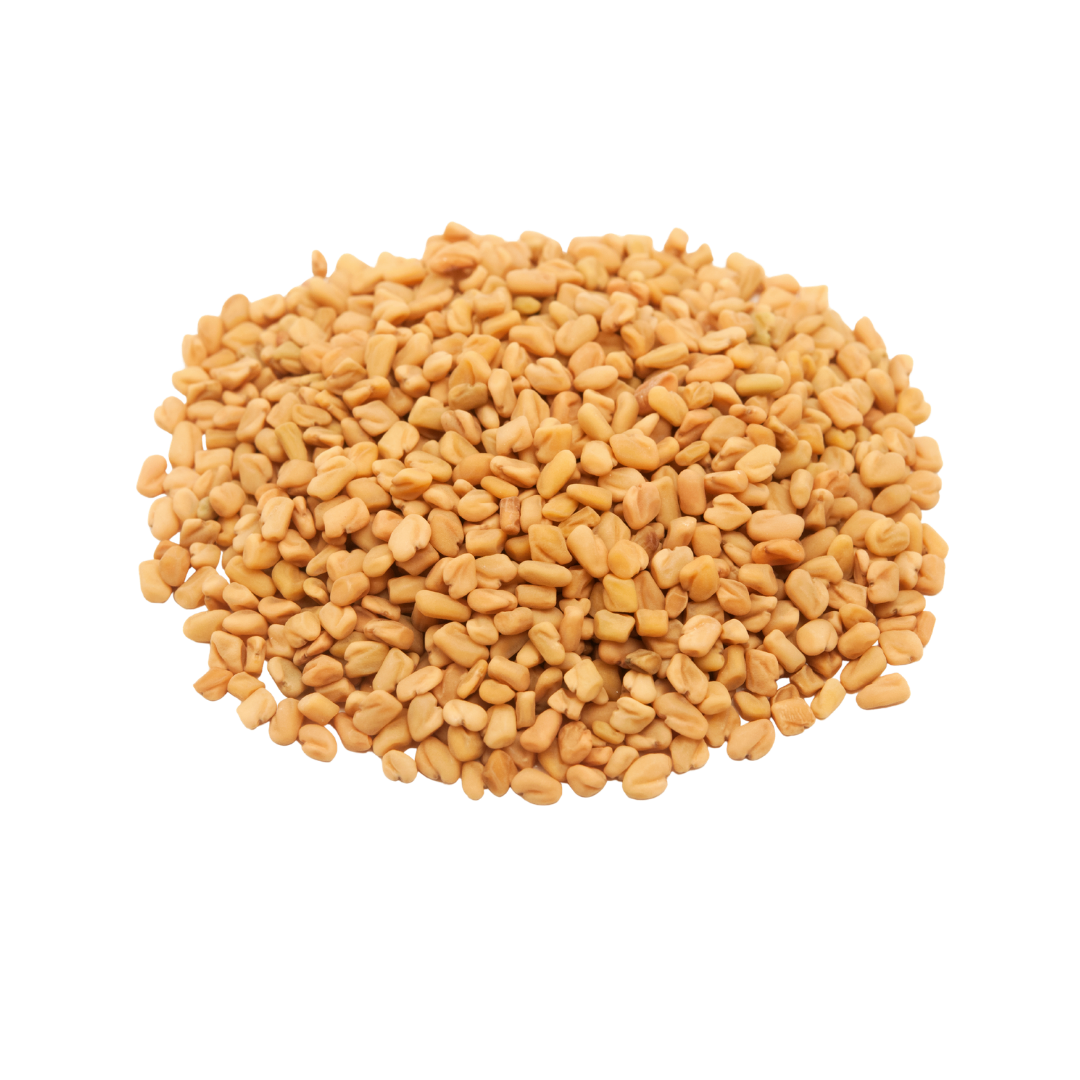
Most cholesterol studies use healthy volunteers. Fenugreek was tested in patients with already-confirmed coronary artery disease — and it reduced the platelet aggregation that triggers the final blockage event in heart attacks.
Called Methika in Sanskrit. Prominently mentioned in Charaka Samhita and Sushruta Samhita for Medoroga (lipid disorders) and Prameha (metabolic/diabetic conditions). Classified as Lekhana (fat-scraping), Deepana, and Vatanulomana. Also a kidney Rasayana — recommended for urinary tract health.
Methi seeds contain galactomannan — soluble fiber that binds dietary cholesterol and bile acids in the gut, directly reducing LDL. Multiple RCTs confirm fenugreek reduces fasting glucose and HbA1c. Saponins inhibit intestinal cholesterol absorption. 18g/day reduced total cholesterol 14% and LDL 25% over 24 weeks.
PMID 8602507: Study in confirmed coronary artery disease patients found fenugreek significantly improved lipid profiles and reduced platelet aggregation — the clotting mechanism directly involved in heart attacks. Multiple trials confirmed HbA1c reduction.
Read Study — PMID 32385866 →(1) Galactomannan traps LDL in the gut — less raw material for plaque. (2) Saponins inhibit foam cell formation. (3) Reduces platelet aggregation in CAD patients. (4) Controls HbA1c — reduces glycation of LDL (the most atherogenic form).
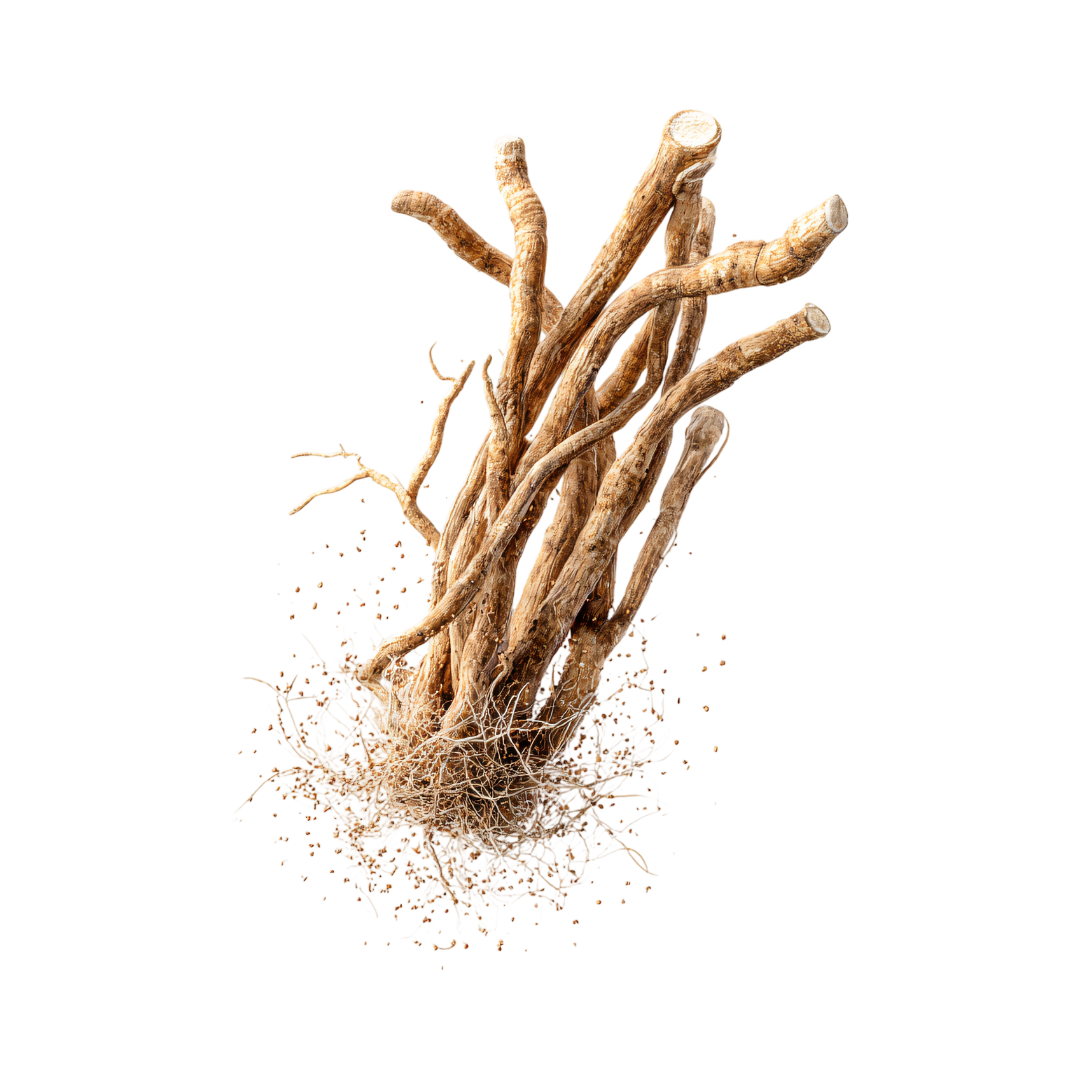
Chronic stress is an invisible heart attack trigger — it raises blood pressure, hardens arteries, and makes platelets sticky. Ashwagandha is clinically proven to reduce cortisol, the stress hormone that drives all four of these arterial damage pathways simultaneously.
One of Ayurveda's most important Rasayana herbs. Recommended in Charaka Samhita for Hridroga (heart disease) and Vatavyadhi (stress/neurological conditions). Classified as Medhya Rasayana — strengthening the mind-heart connection. Bhavaprakasha Nighantu describes it as a heart and circulatory tonic.
Clinical trials show significant reduction in serum cortisol — chronically elevated cortisol drives hypertension and arterial inflammation. A 2019 Medicine journal study showed ashwagandha reduced total cholesterol, LDL, and triglycerides while improving HDL. Studies confirm improved VO2 max, reduced CRP, and direct cardioprotective effects.
PMC11314093 (2024): Ashwagandha withanolides inhibit VEGF-induced vascular damage, reduce IL-6 and TNF-α, and reduce ischemia/reperfusion-induced apoptosis in heart tissue. A double-blind RCT confirmed improved VO2 max — a direct measure of cardiac efficiency.
Read 2024 Review — PMC11314093 →Chronic stress raises BP, promotes LDL oxidation, triggers arterial inflammation, and increases platelet stickiness — all four pathways to blockage. Withanolides: reduce cortisol in RCTs; inhibit NF-kB; improve endothelial function via VEGF inhibition; anti-apoptotic protection of heart tissue in MI models.
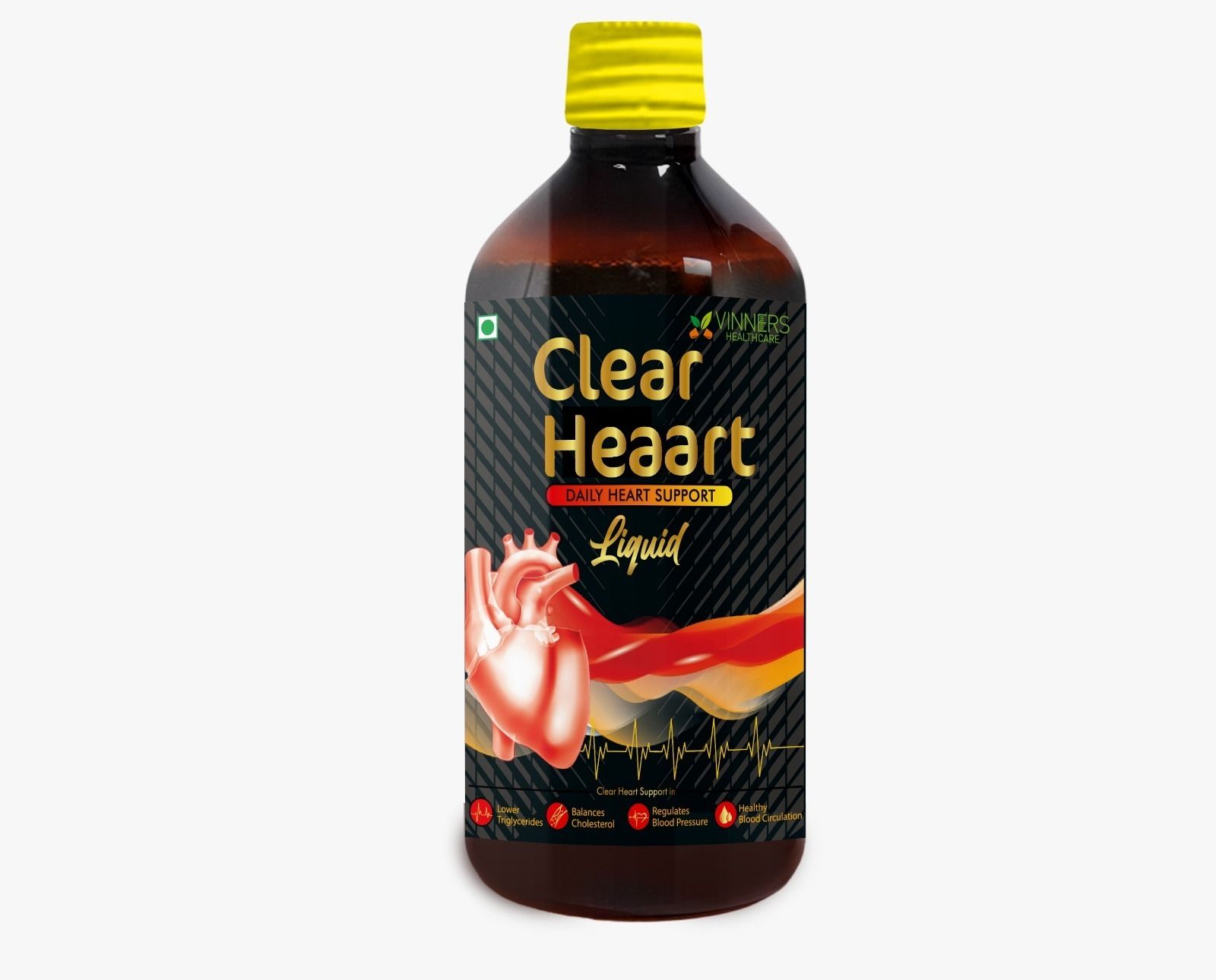
Clear Heaart Liquid
5 Whole Foods · Raw & Unprocessed
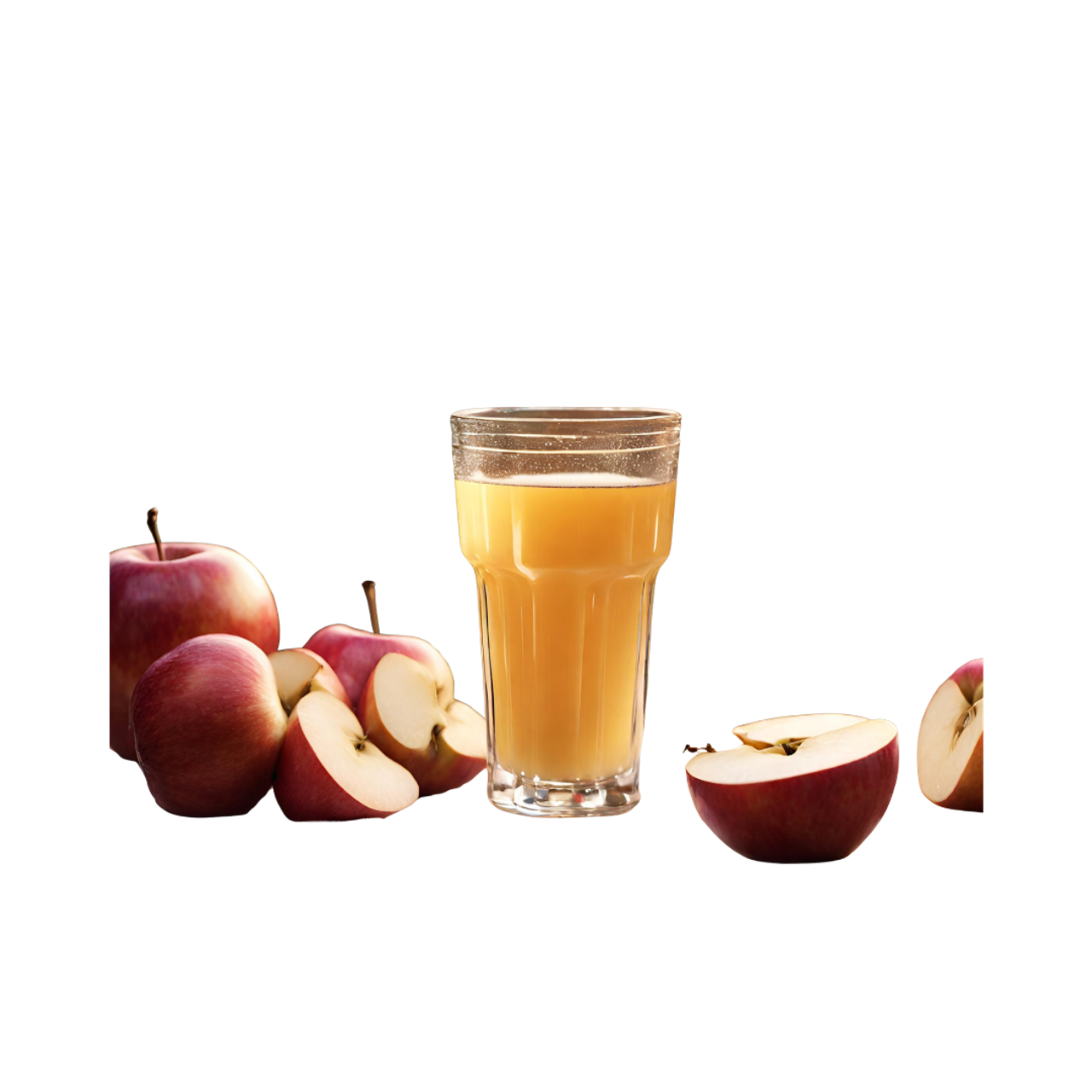
ACV's acetic acid activates AMPK — your liver's master fat-burning switch. When AMPK is active, the liver stops producing excess LDL cholesterol. This is the same molecular pathway targeted by one of the most-prescribed metabolic drugs in the world.
Fermented preparations (Asava, Arishta) are a cornerstone of Ayurvedic medicine. Raw ACV aligns with Amla (sour) rasa and Deepana-Pachana action — stimulating digestive fire and metabolizing Ama (metabolic toxins). Acetic acid mirrors Lekhana — scraping fat deposits from Medovaha Srotas including the liver and blood vessels.
Acetic acid in ACV activates AMPK — the body's master metabolic switch — stimulating fat burning and reducing lipid synthesis in the liver. Studies show ACV reduces fasting blood glucose, improves insulin sensitivity, and lowers HbA1c. Journal of Functional Foods confirmed daily ACV reduced LDL and triglycerides over 8 weeks.
PMC8243436: Daily ACV reduced LDL, triglycerides, and HbA1c over 8 weeks. Acetic acid activates AMPK in liver cells — same pathway as metformin — reducing hepatic fat accumulation that drives both fatty liver and cardiovascular risk.
Read Study — PMC8243436 →By activating AMPK, ACV reduces de novo lipogenesis, directly decreasing VLDL and LDL output from the liver — the primary source of circulating LDL that builds arterial plaque. The 'mother' improves gut microbiome supporting secondary bile acid production — preventing cholesterol recirculation.
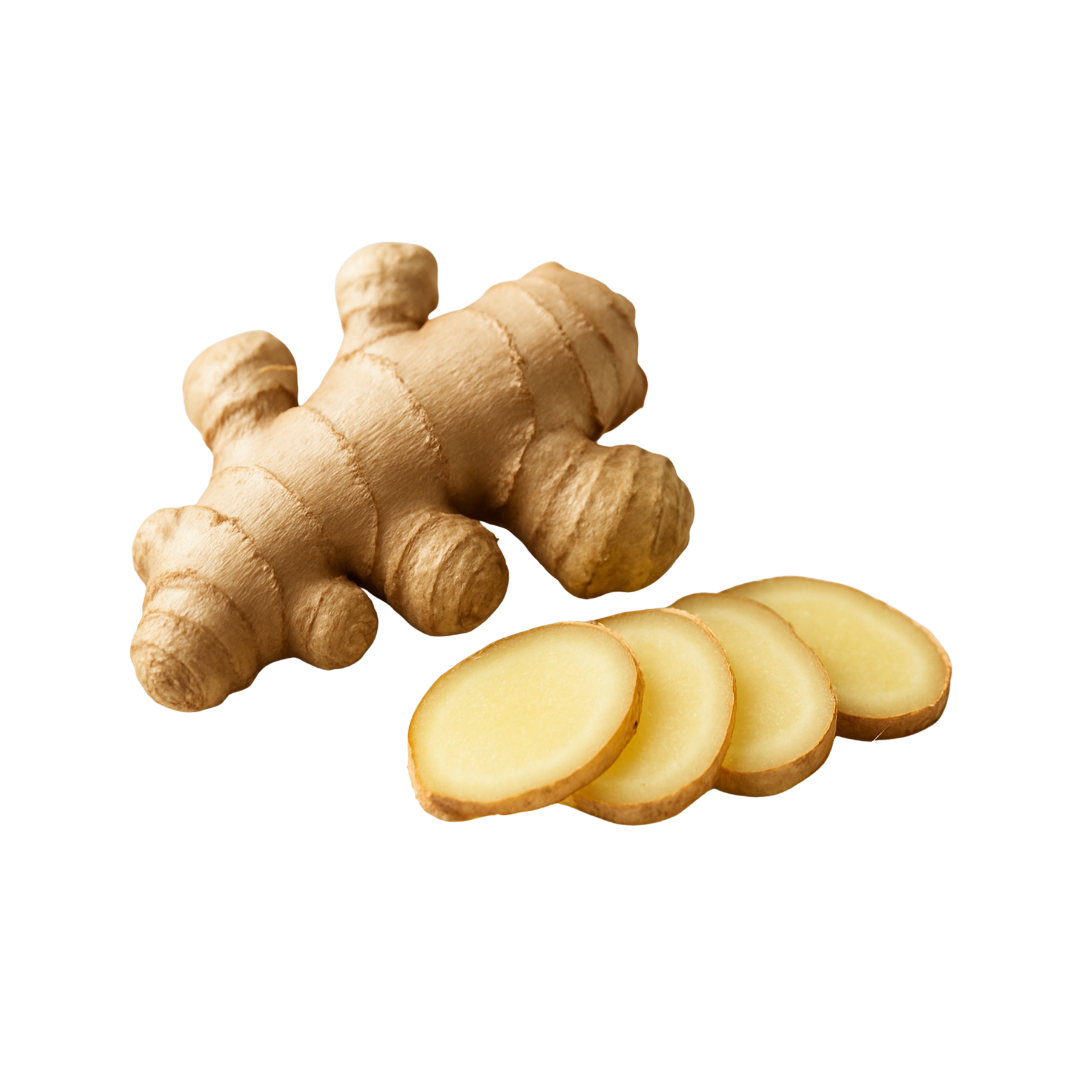
Doctors prescribe low-dose aspirin to heart patients for one reason: it stops platelets from clumping and blocking arteries. Ginger's gingerols inhibit the exact same thromboxane pathway — proven in heart attack patients — with no gastrointestinal damage.
Called Mahaushadha — the great medicine. Core Trikatu herb classified as Hridya (heart tonic) and Ama-pachana. Ashtanga Hridayam specifically recommends ginger for Hridroga (heart disease), Shwasa (breathlessness with cardiac link), and cleansing of Raktavaha Srotas.
Gingerols and shogaols are potent COX-2 inhibitors — same mechanism as anti-inflammatory drugs without gastrointestinal side effects. Clinical studies confirm ginger significantly reduces LDL and VLDL. Ginger inhibits platelet aggregation — directly reducing heart attack and stroke risk. 2g/day reduces fasting blood sugar 12% in T2DM patients.
PMID 29747751: Ginger reduced TG by 17.59 mg/dl and LDL by 4.90 mg/dl across 12 confirmed trials. In confirmed MI patients, 10g ginger significantly reduced ADP- and adrenaline-induced platelet aggregation — the clotting event that blocks arteries during heart attacks (PMC4619316).
Read Study — PMID 29747751 →In confirmed MI patients, ginger reduced platelet aggregation — the final clotting event that converts unstable plaque into complete arterial blockage. Aortic atherosclerotic lesion area reduced 44% in animal models. Gingerols inhibit thromboxane-B2 — same platelet activator as aspirin, without stomach side effects.
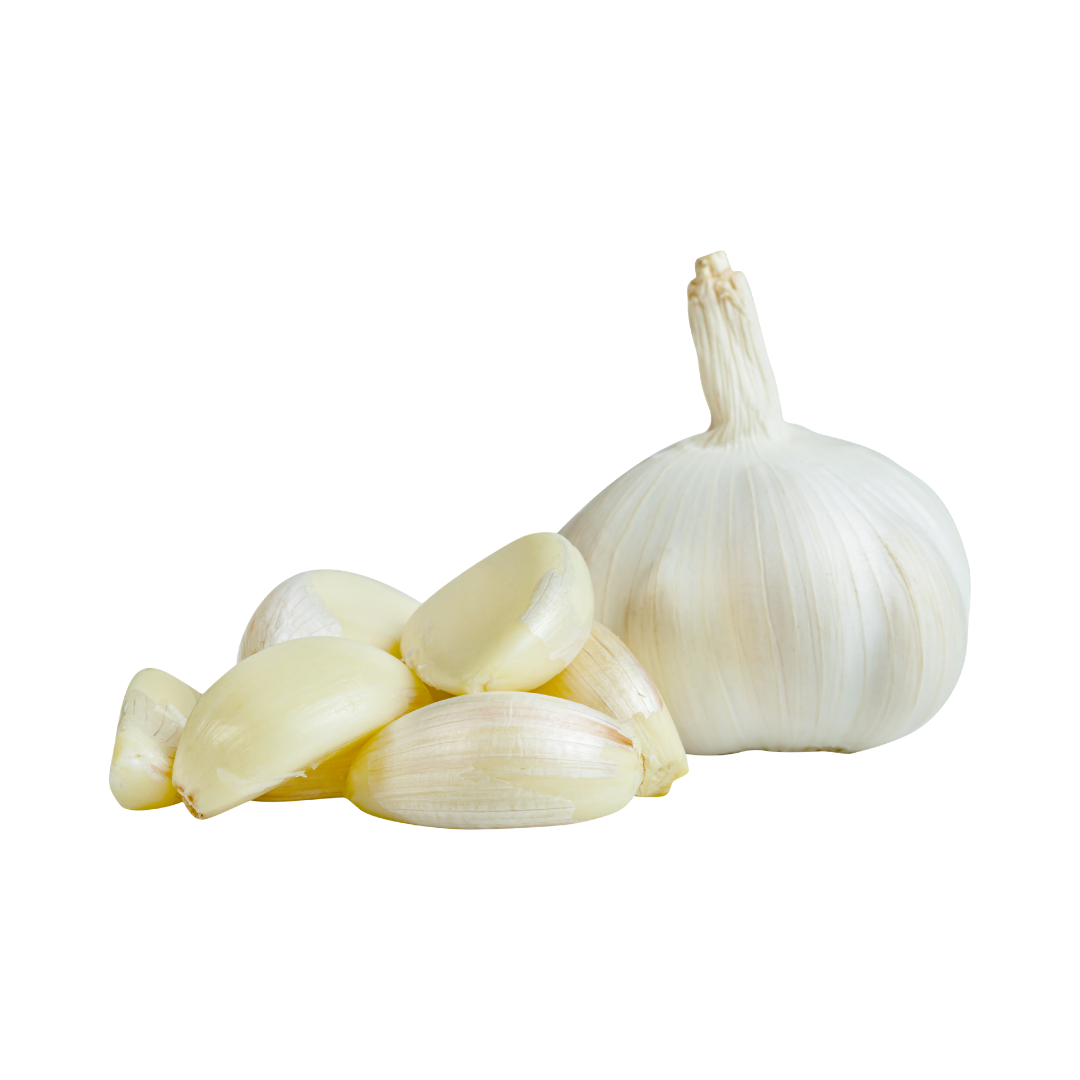
This is the gold standard of cardiovascular research. UCLA cardiologist Dr. Matthew Budoff ran not one but four randomised controlled trials using the same imaging technology hospitals use to diagnose heart disease — and garlic measurably reversed arterial plaque in every trial.
Called Rasona in Sanskrit — containing 5 of the 6 Ayurvedic tastes. Classified as Hridya (heart tonic), Lekhana (cholesterol and fat scraper), and Krimighna. Ancient texts describe it as the supreme purifier of Raktavaha Srotas. Raw garlic is specifically emphasized — cooking destroys up to 90% of allicin.
Allicin — released when raw garlic is crushed — is the primary active compound. Over 40 clinical trials confirm garlic reduces systolic BP by 8–10 mmHg, comparable to mild antihypertensive medication. Meta-analyses confirm garlic reduces total cholesterol 9–12% and LDL up to 17%. Also reduces arterial stiffness and inhibits platelet aggregation.
PMC6966158: Dr. Matthew Budoff (UCLA) completed FOUR RCTs confirming garlic slows atherosclerosis and reverses early heart disease. Most recent trial: 29% reduction in coronary soft plaque in garlic group vs. 57% INCREASE in placebo. Earlier 48-month RCT (152 patients): plaque volume reduced 5–18%.
Read Study — PMC6966158 →STRONGEST EVIDENCE: 4 RCTs using coronary CT angiography confirm soft plaque regression vs. placebo. Platelet aggregation reduced 25% in double-blind RCT (PMC9574545). Allicin increases nitric oxide production, dilating blood vessels. Foam cell formation inhibited — garlic directly blocks cholesterol uptake by macrophages.
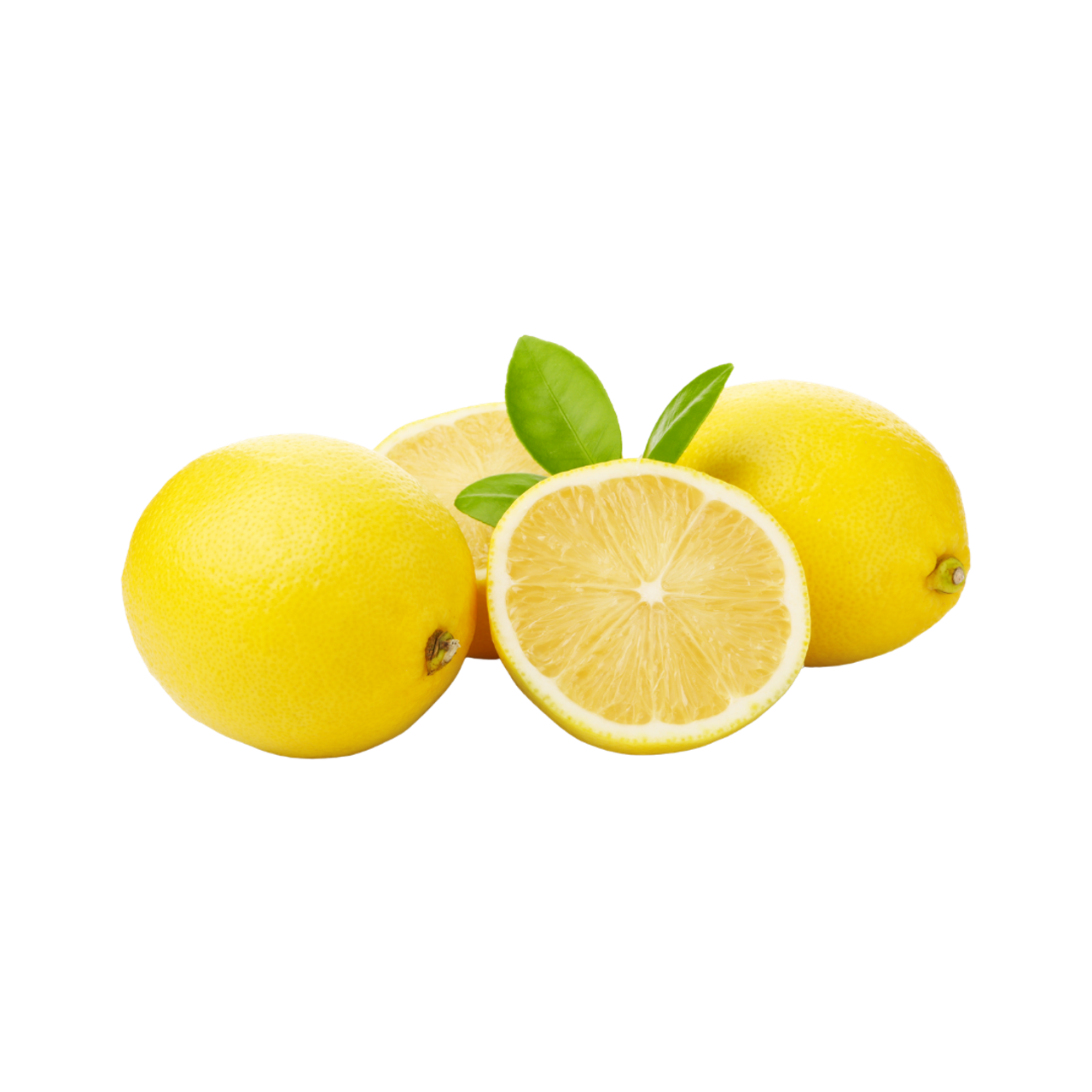
When arterial walls lack Vitamin C, they develop micro-tears. Your body uses LDL cholesterol to patch those tears — and that's how atherosclerosis starts. Lemon provides Vitamin C to seal the walls AND hesperidin to lower the LDL doing the patching.
Called Nimbuka in Ayurveda. Classified as Amla (sour) rasa with Deepana and Pachana properties. Charaka recommends lemon as a Hridya (heart-supporting) food. Sour taste stimulates the liver, enhances bile flow, and strengthens Agni. Lemon water at dawn is a classical Ayurvedic Dinacharya for liver and kidney cleansing.
Vitamin C is a critical cofactor for collagen synthesis — maintaining arterial wall structural integrity and preventing micro-tears where plaque begins. Studies show Vitamin C reduces systolic blood pressure and arterial stiffness. Hesperidin (a bioflavonoid in lemon) reduces LDL and increases HDL in clinical trials. D-Limonene induces Phase I and Phase II liver detoxification enzymes.
PMC4279313: Hesperidin supplementation reduced LDL and raised HDL in clinical trials. Vitamin C (500 mg/day) significantly reduced systolic blood pressure and arterial stiffness across multiple RCTs. D-limonene induces Phase I liver detoxification enzymes — accelerating clearance of oxidized lipids.
Read Study — PMC4279313 →Vitamin C deficiency causes arterial micro-tears — and LDL deposits in those micro-tears as a repair mechanism, which is the origin of atherosclerotic plaque (Pauling-Rath hypothesis). Lemon's Vitamin C maintains arterial wall integrity so LDL has no sites to deposit in. Hesperidin additionally reduces LDL oxidation — preventing foam cell formation.
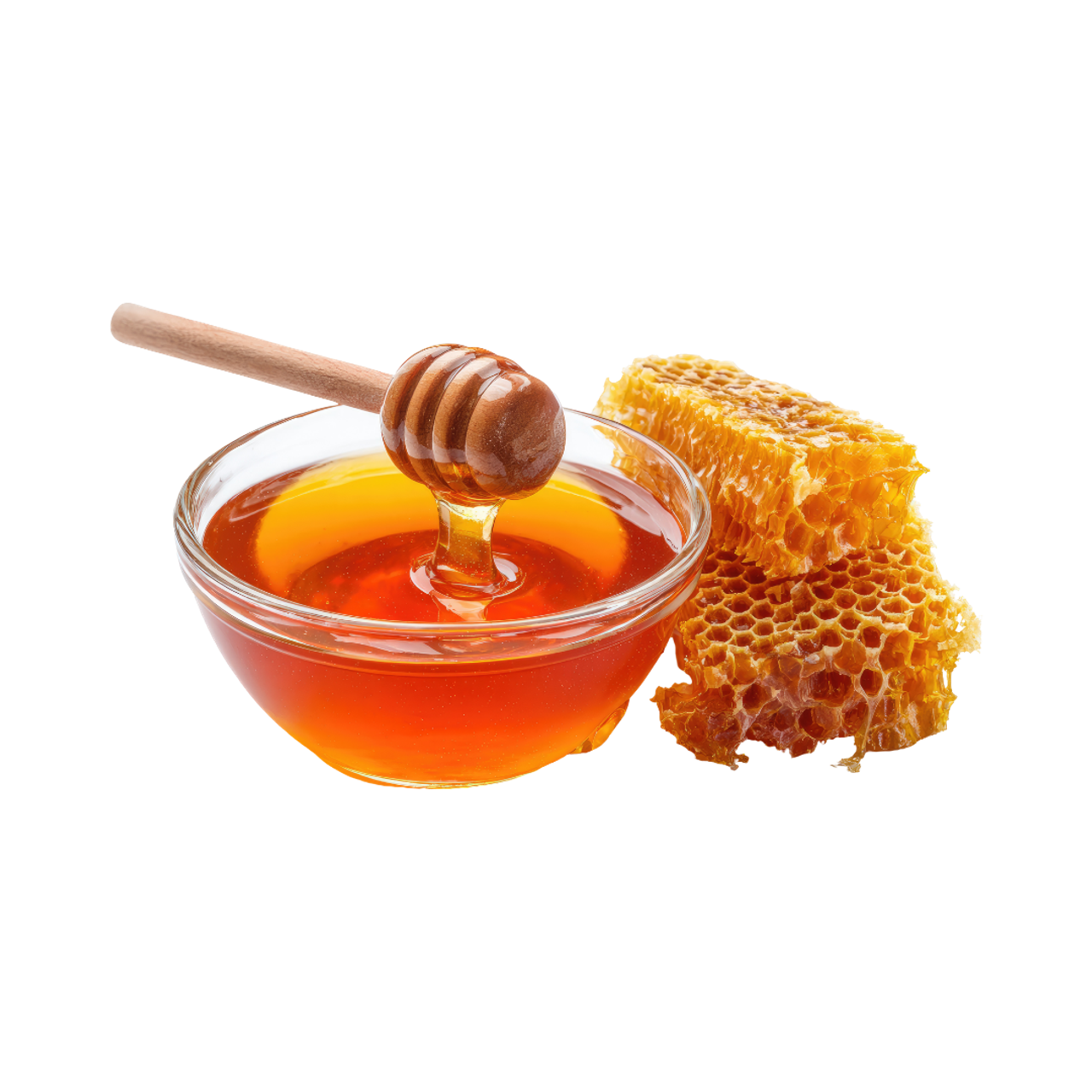
Ayurveda has known for 5,000 years that honey is a Yogavahi — a carrier that amplifies the medicines it accompanies. Modern science confirms it: honey's phenolics boost absorption of polyphenols while independently reducing LDL, CRP, and protecting cardiomyocytes.
Called Madhu — one of the most sacred therapeutic substances in Ayurveda. Considered Yogavahi (carrier vehicle) — it penetrates deep tissues and carries other herbs' properties. Charaka Samhita classifies honey as Hridya (heart tonic), Lekhana (fat-scraping), and the supreme Anupana for delivering herbal medicines. Heating above 40°C creates Ama — so Clear Heaart uses only raw, unheated honey.
Raw honey's antioxidant content — flavonoids, phenolic acids, catalase — reduces total cholesterol and LDL while increasing HDL and reducing CRP in clinical trials. Prebiotic oligosaccharides feed beneficial gut bacteria that perform bile acid transformation — a key step in cholesterol excretion. As Anupana, honey improves bioavailability of botanical polyphenols.
PMC7277934: Raw honey reduces total cholesterol, LDL, and CRP while raising HDL. Honey phenolics protect cardiomyocytes (heart muscle cells) from oxidative damage. Prebiotic oligosaccharides increase Bifidobacterium and Lactobacillus — bacteria that produce secondary bile acids, enhancing cholesterol excretion.
Read Review — PMC7277934 →(1) CRP reduction — elevated CRP is associated with 3× increased risk of heart attack (Ridker, NEJM). (2) HDL improvement — HDL performs reverse cholesterol transport, removing LDL from arterial walls. (3) As Anupana, raw honey increases absorption of garlic allicin and ginger gingerols — the two compounds with the most direct anti-plaque evidence.
Ancient Wisdom. Clinical Certainty.
Every ingredient earned its place through two standards no other formula applies simultaneously: 5,000 years of Ayurvedic use — and published human clinical evidence.
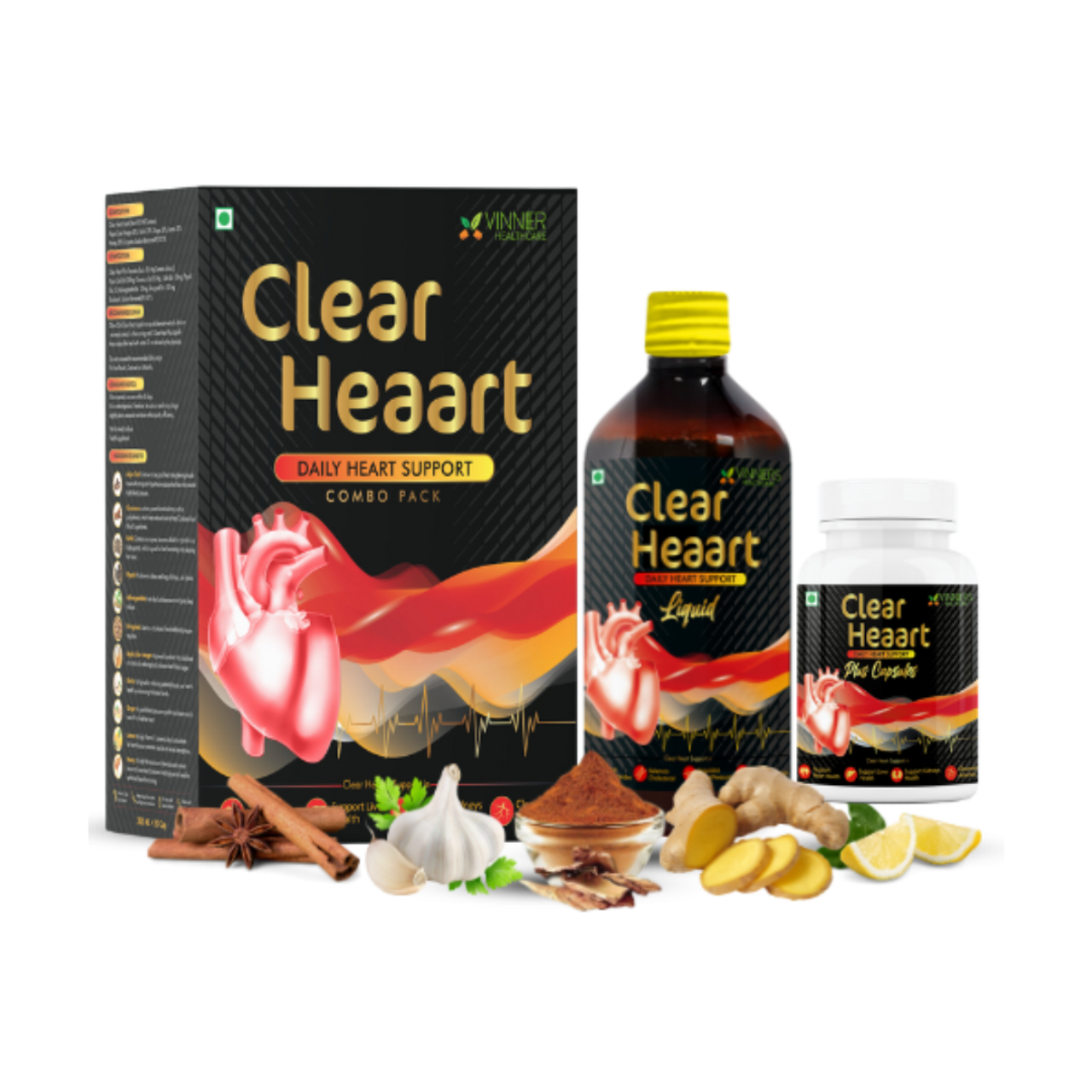
100% Natural · No Side Effects · 100-Day Money-Back Guarantee
Ayurvedic Terms Explained
New to Ayurveda? These terms appear throughout this page. Here's what they mean in plain language.
Heart tonic — strengthens the heart muscle
Fat-scraping — removes excess lipids from blood channels
Rejuvenator — restores vitality and slows cellular ageing
Digestive fire enhancer — boosts metabolism & absorption
Blood-carrying channels — the cardiovascular system
Carrier vehicle — amplifies action of other herbs
Lipid disorder — Ayurvedic term for high cholesterol
Delivery vehicle — carries medicines deeper into tissues
Liver — central to metabolic and heart health in Ayurveda
Metabolic toxin — undigested waste causing inflammation
Metabolic conditions — includes diabetes & insulin resistance
Three-spice formula (ginger, pepper, pippali) — boosts absorption
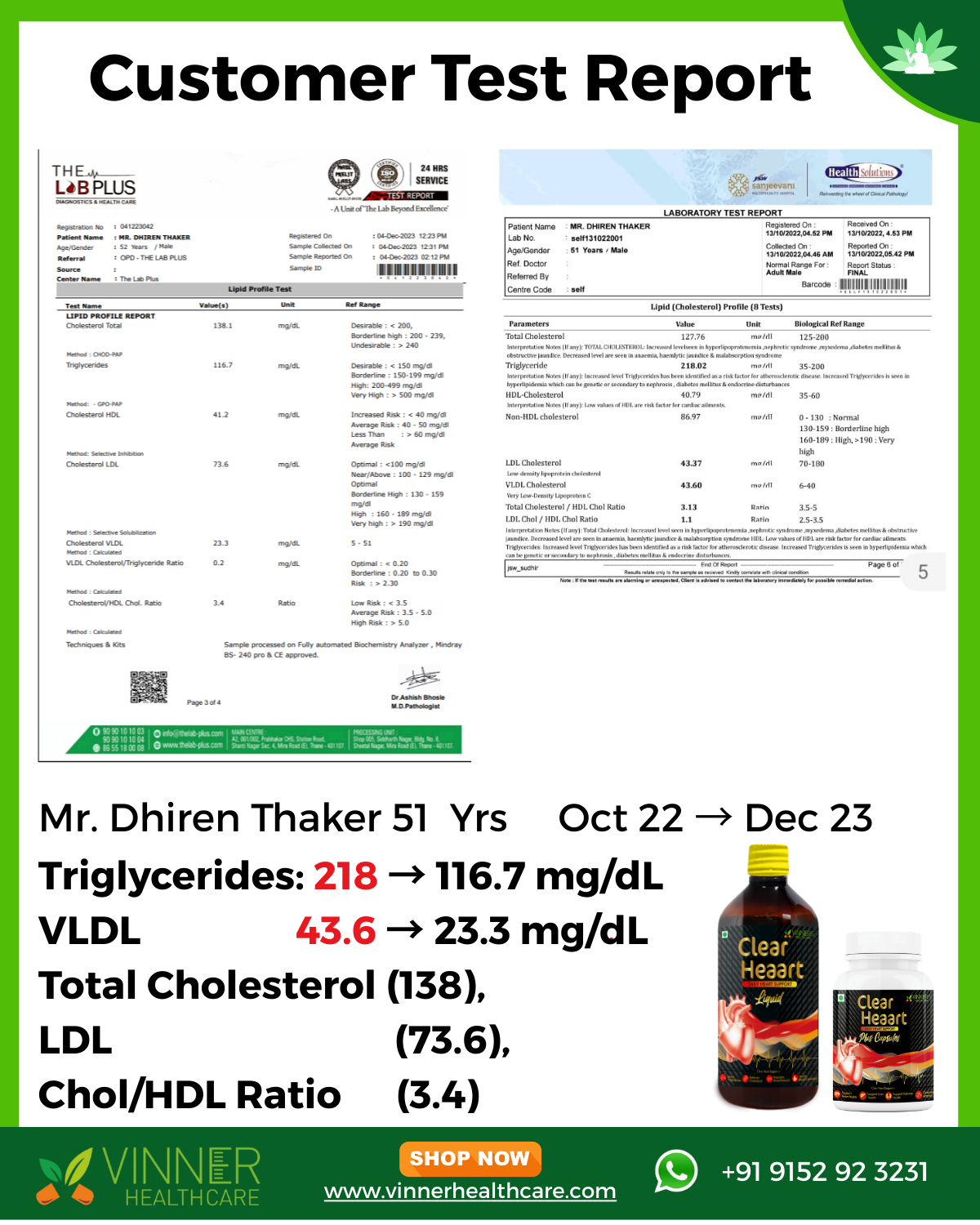
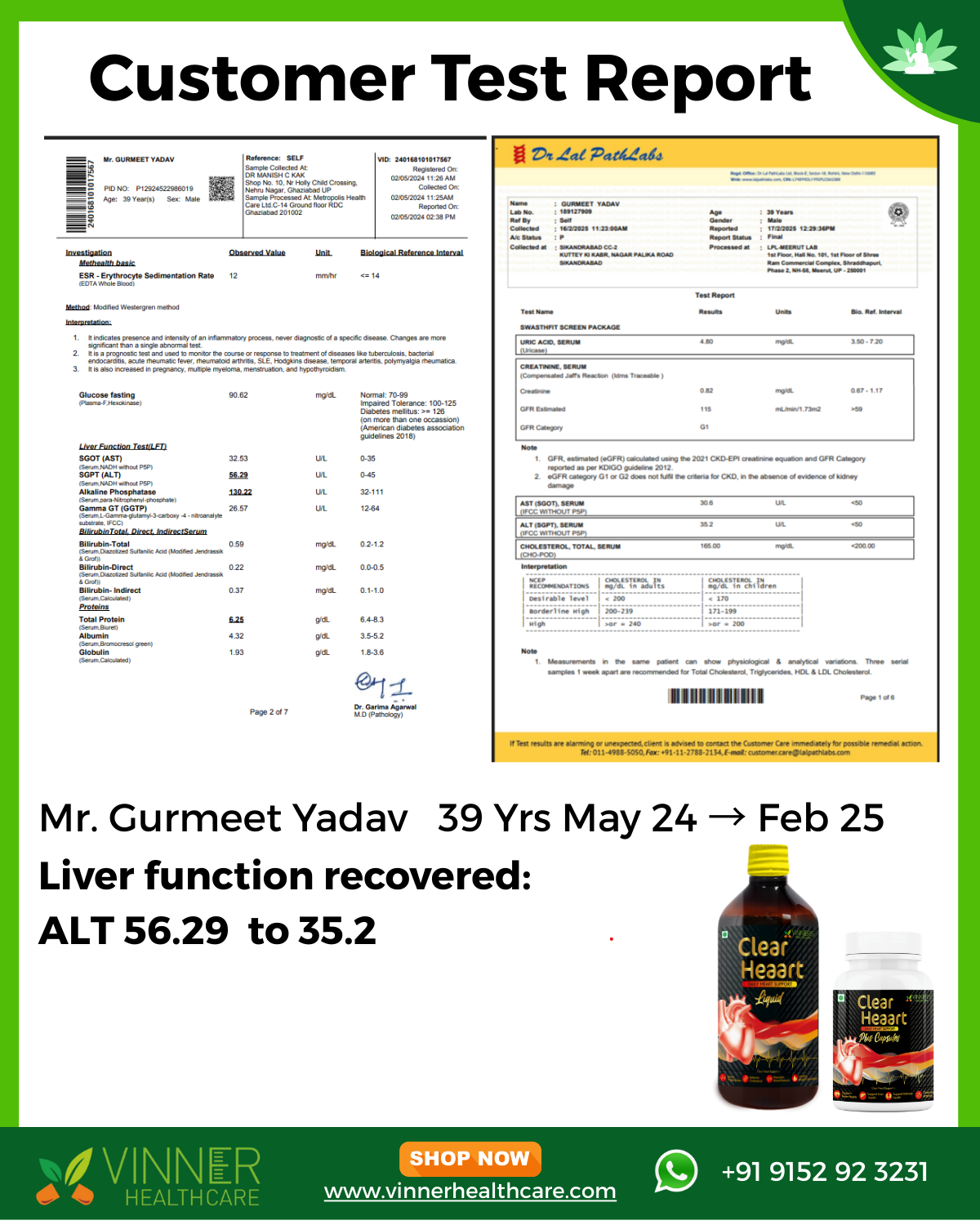
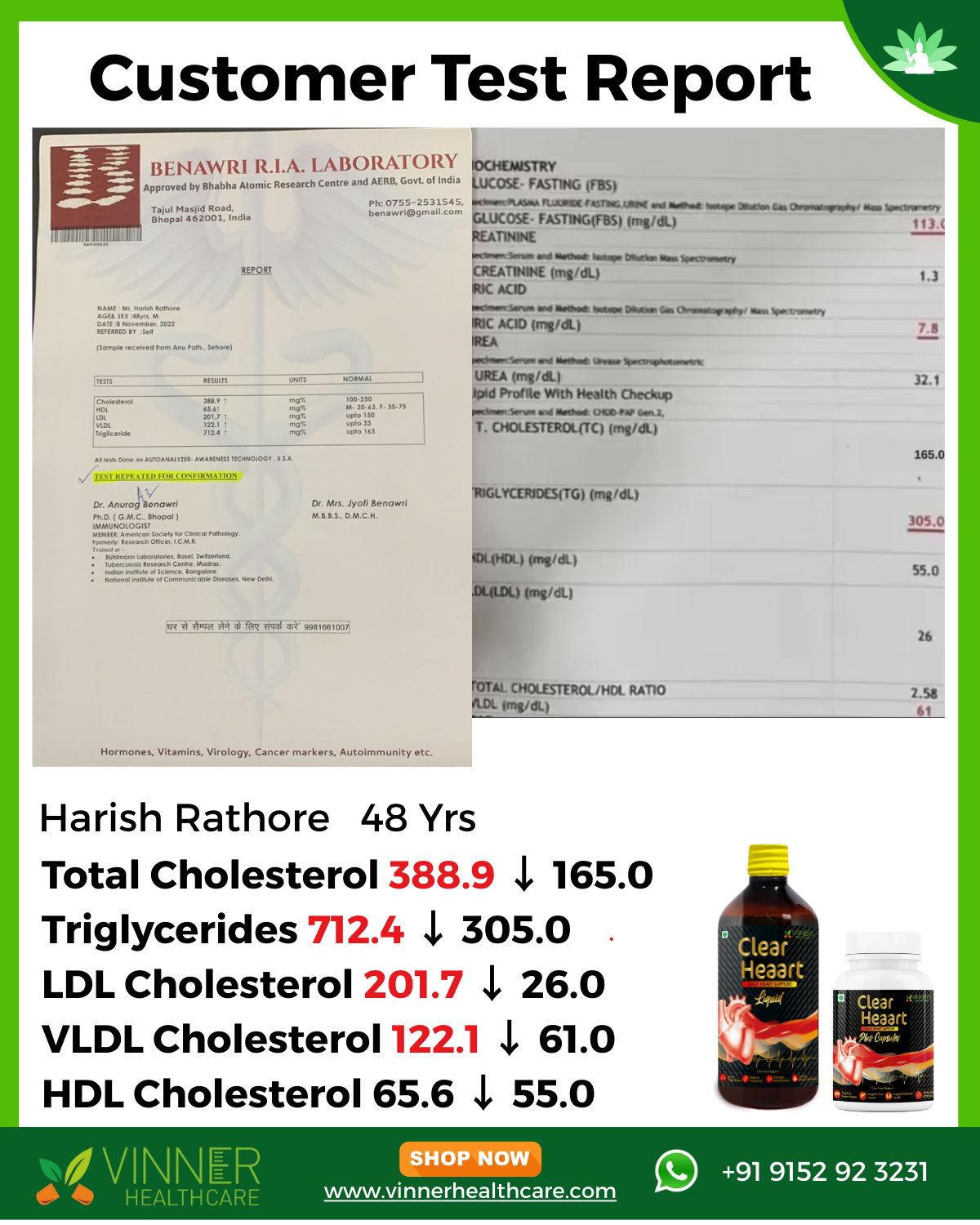
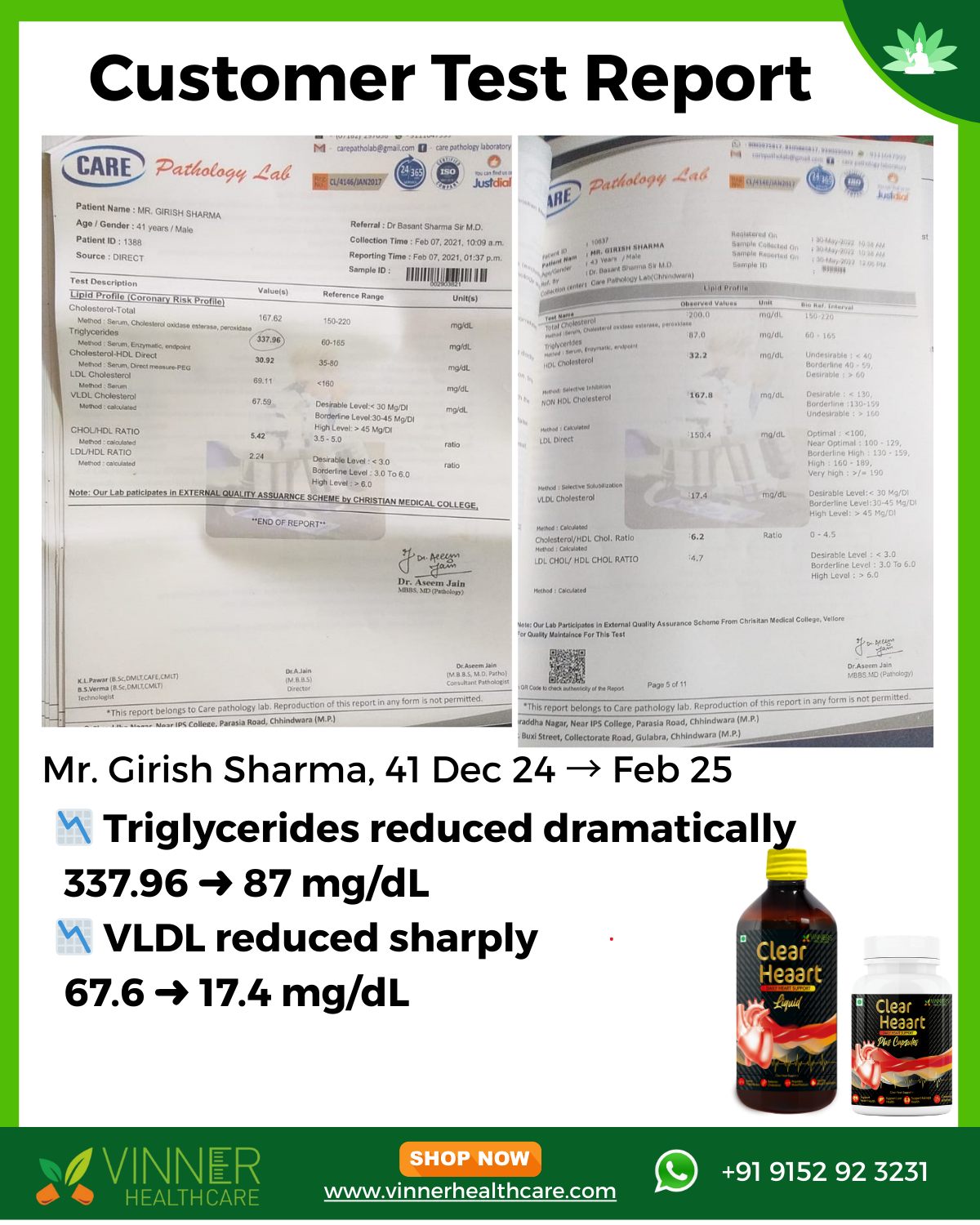
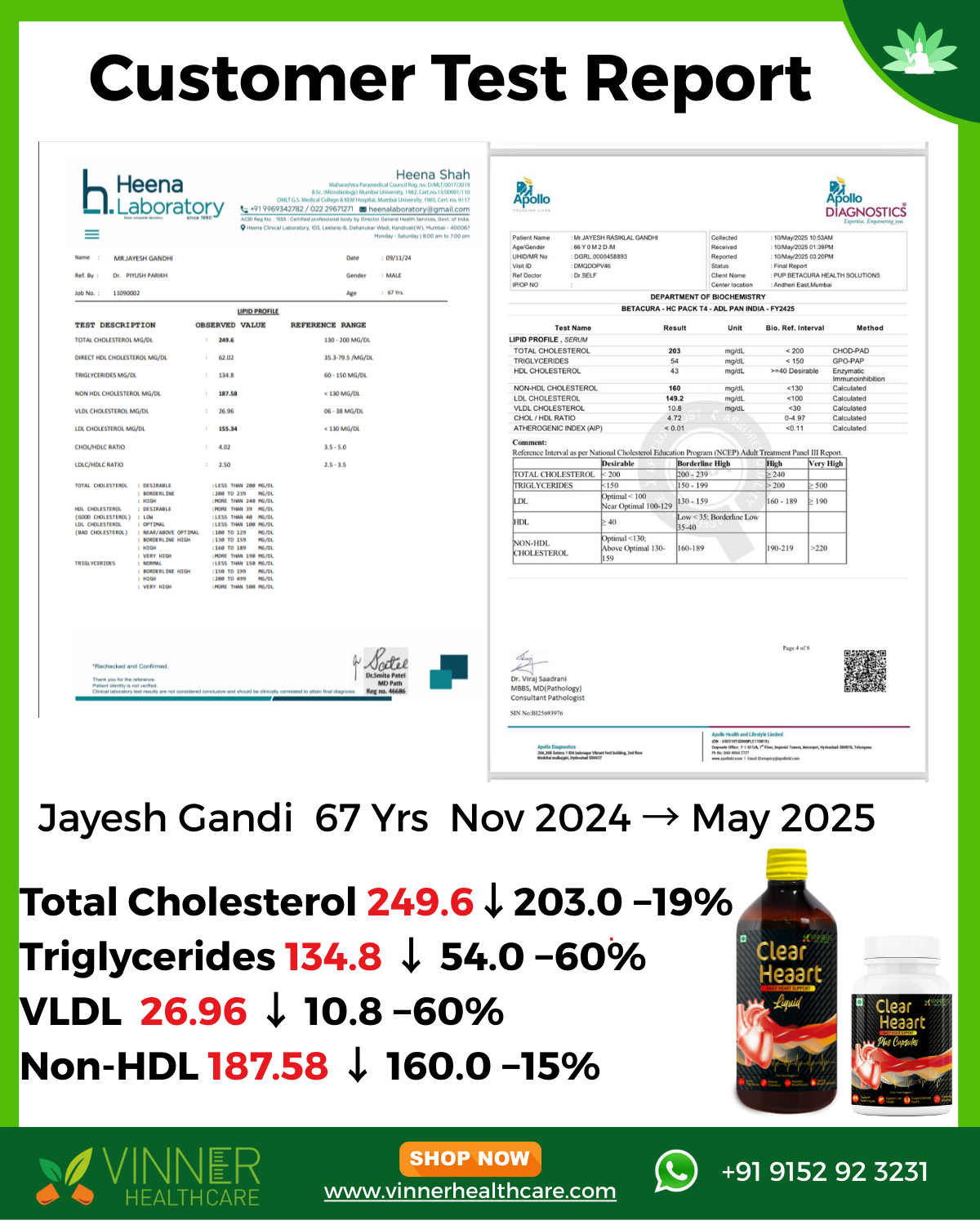
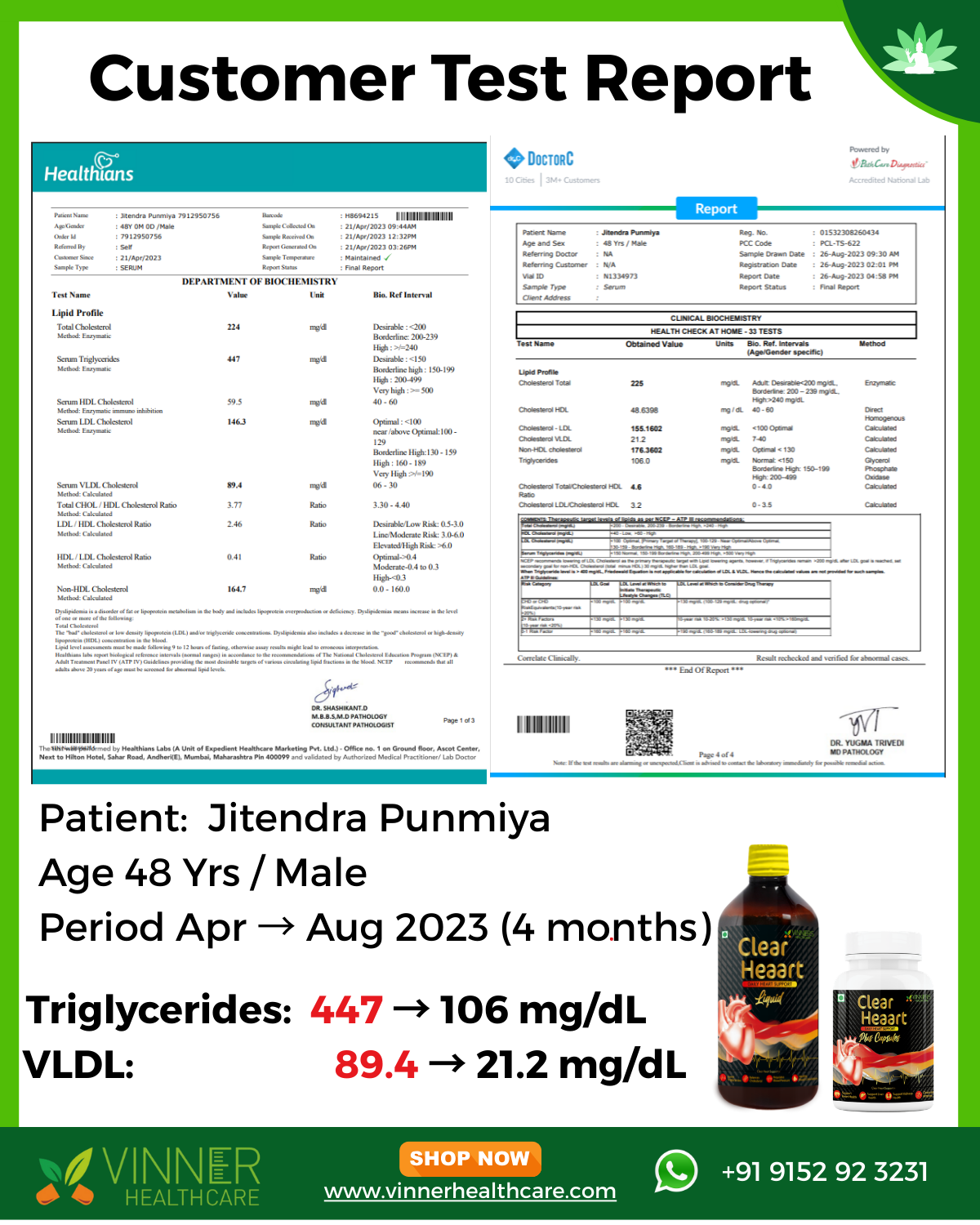
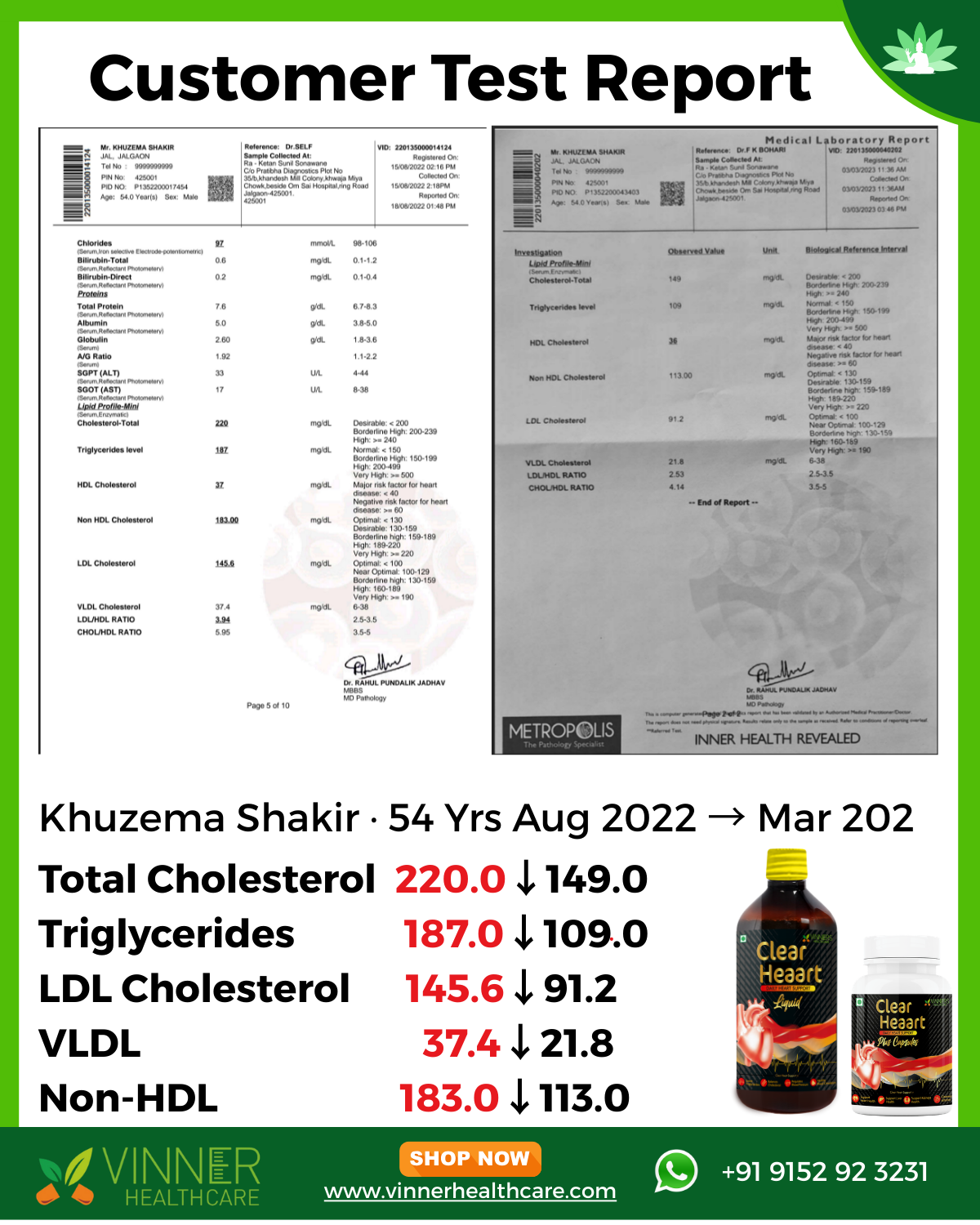
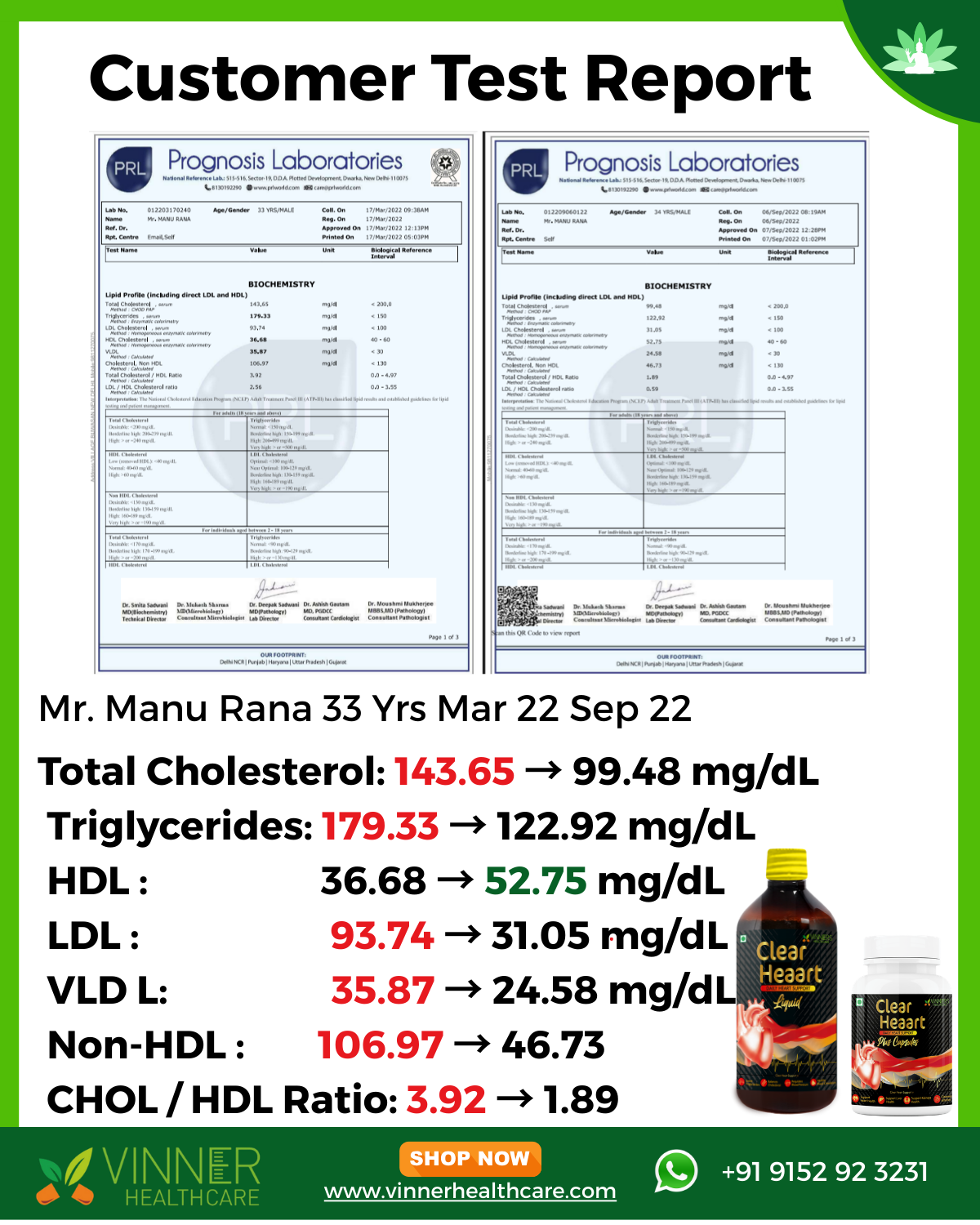
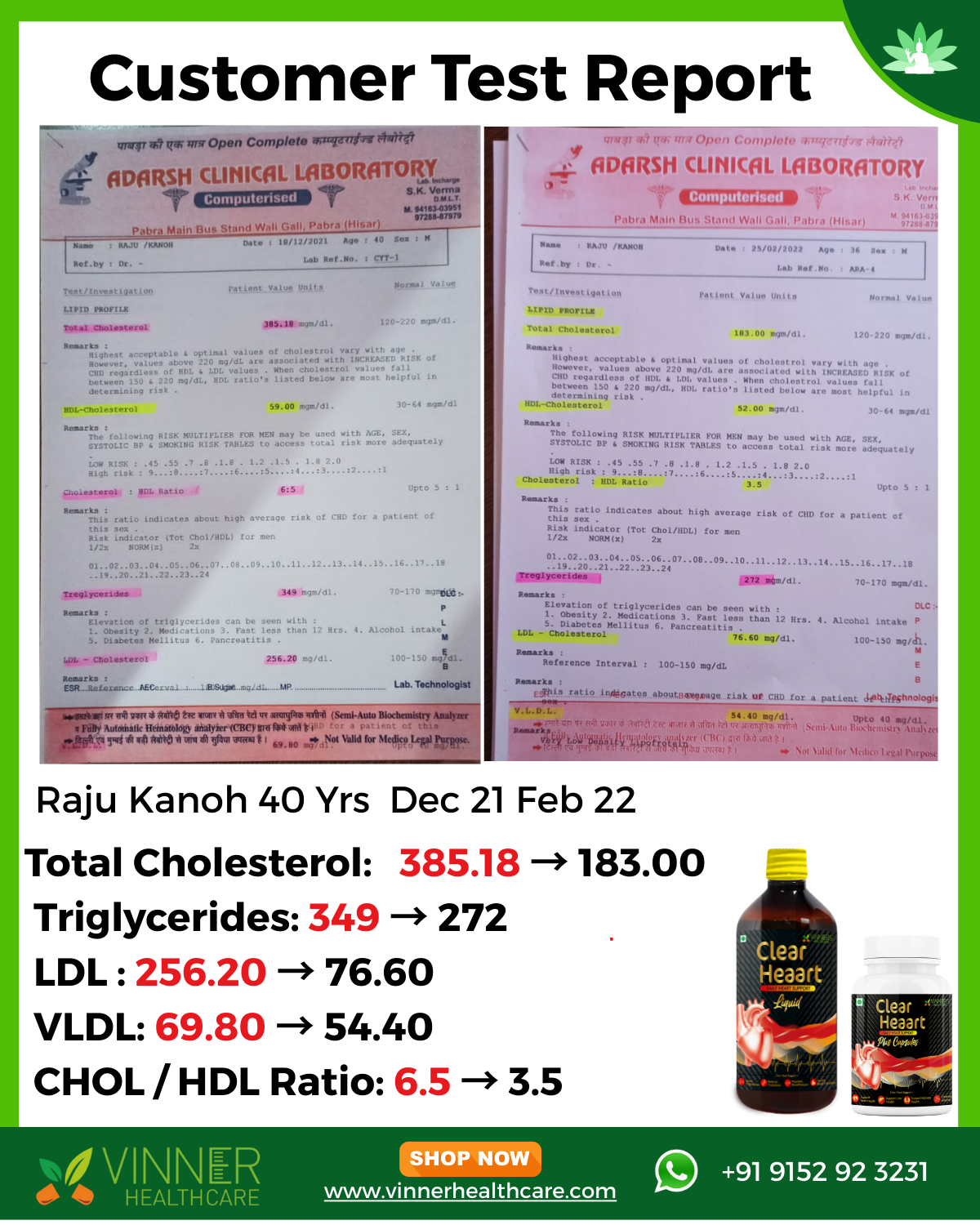
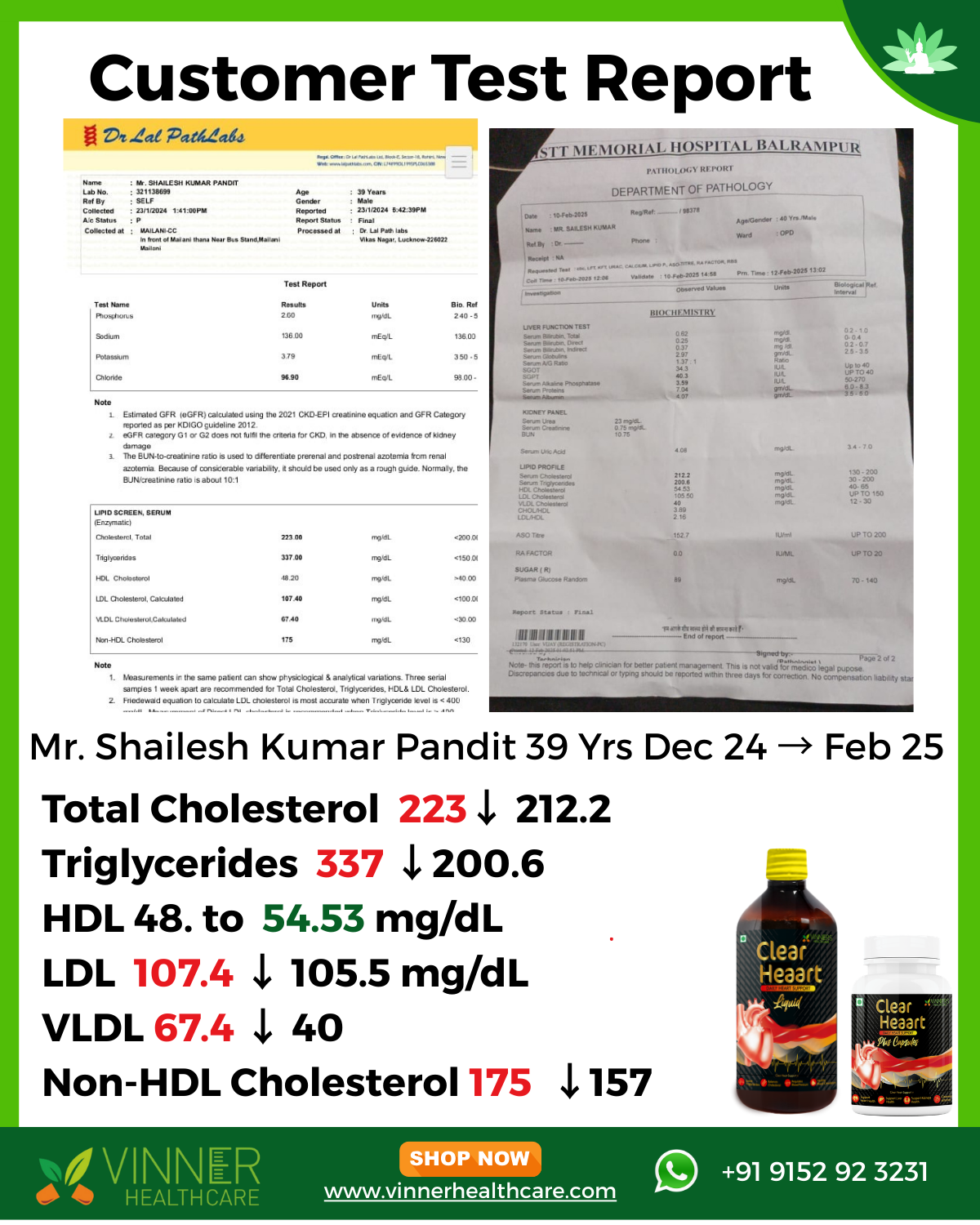
Real People. Real Heart Results. After Using Clear Heaart.
These are verified customers who shared their experience after completing a course of Clear Heaart Combo Pack. Results are real — no actors, no scripts.
Ancient Wisdom.
Clinical Certainty.
Not tradition alone. Not science alone. Both — together. Every ingredient. Every claim. All eleven.
Order Clear Heaart Combo Pack →All references indexed on PubMed. For informational purposes only. Consult your physician before use. These statements have not been evaluated by any regulatory authority. This product is not intended to diagnose, treat, cure, or prevent any disease.